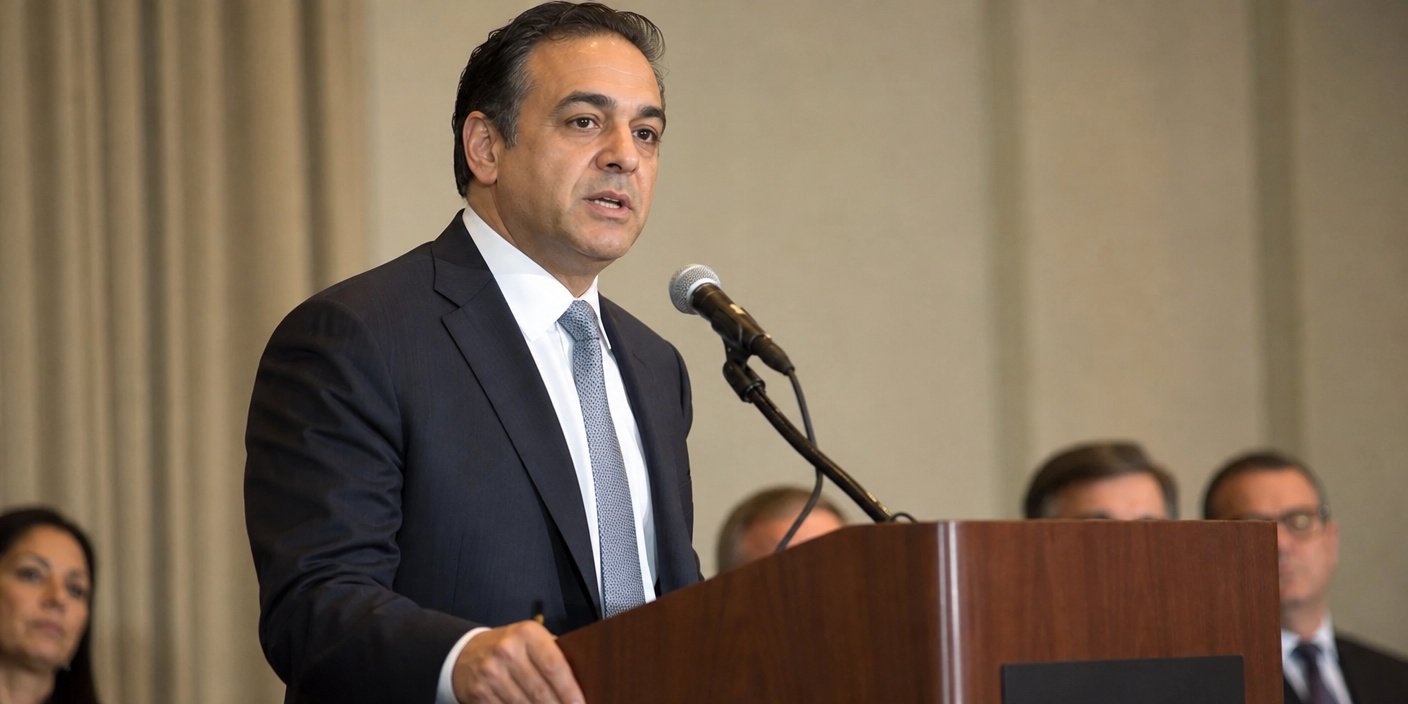
Virginia Governor Glenn Youngkin has vetoed a bill that would have expanded sales, stating that the Department of Transportation will maintain its current policy on drug testing for transport employees.
Key Highlights:
- Governor Youngkin exercised his veto power on a bill concerning sales expansion.
- The Department of Transportation will continue its existing drug testing protocols for relevant employees.
- The decision highlights a divergence on legislative priorities concerning business and public safety.
Virginia’s Legislative Crossroads: Sales vs. Safety
Virginia Governor Glenn Youngkin has decisively vetoed a legislative measure aimed at expanding sales, signaling a careful approach to economic initiatives that may intersect with public safety regulations. The bill’s failure to pass underscores a broader debate within the state about the balance between business growth and the implementation of stringent safety standards. In a related but distinct move, the Virginia Department of Transportation (DOT) has confirmed its commitment to upholding current drug testing policies for employees within the transportation sector. This dual-pronged development presents a complex picture of the current administration’s policy direction.
The Governor’s Stance on Sales Expansion
The vetoed bill, which sought to broaden the scope of sales in the Commonwealth, was met with a firm rejection from Governor Youngkin. While the specifics of the bill were not immediately detailed in the available reports, the act of vetoing suggests concerns about its potential economic ramifications, regulatory impact, or alignment with the administration’s broader fiscal strategy. Governor Youngkin’s office has historically emphasized fiscal responsibility and a pro-business environment, but this decision indicates that such expansion must also meet other critical benchmarks, possibly including public welfare or established regulatory frameworks.
DOT’s Unwavering Drug Testing Policy
Concurrently, the Virginia Department of Transportation has reiterated its dedication to its established drug testing program. This policy is crucial for ensuring the safety and reliability of the state’s transportation infrastructure and personnel. In an industry where safety is paramount, from truck drivers to public transit operators, rigorous drug testing serves as a critical safeguard against accidents and operational failures. The DOT’s commitment suggests that there will be no relaxation in these essential safety protocols, regardless of legislative changes in other economic sectors. This firm stance on drug testing highlights the administration’s prioritization of safety-critical operations.
Navigating Economic Growth and Public Safety
The juxtaposition of these two events—a veto on sales expansion and the reinforcement of drug testing policies—illustrates the intricate challenges faced by state governance. It highlights the administration’s efforts to chart a course that fosters economic development while rigorously maintaining public safety standards. The decision to veto the sales bill could be interpreted as a move to prevent potential unintended consequences that might arise from a less regulated market, especially when juxtaposed with the non-negotiable safety requirements within the transportation industry.
FAQ: People Also Ask
What is the governor’s general approach to economic legislation?
Governor Youngkin generally favors a pro-business environment and fiscal responsibility, often seeking to reduce regulatory burdens. However, his decisions, like this veto, indicate that economic initiatives must also align with broader public safety and regulatory concerns.
Why is drug testing important for the Department of Transportation?
Drug testing is critical in the transportation industry to ensure the safety of the public and the integrity of operations. It helps prevent accidents caused by impaired operators of vehicles and machinery, safeguarding both personnel and infrastructure.
Could the vetoed sales bill have impacted public safety?
While the specific details of the bill are not fully public, a veto often implies concerns about potential negative externalities. In this context, it’s possible the administration foresaw a risk to public safety or an undue strain on regulatory oversight if sales were expanded under the proposed terms.
What are the implications of the DOT maintaining its drug testing policy?
The DOT’s decision means that current standards for employee drug screening will remain in effect. This ensures a consistent level of safety and compliance within the transportation sector, reinforcing the importance of a drug-free workforce for critical operations.