Thailand Tightens Grip on Cannabis: New Regulations Usher In Medical-Only Era
Thailand has significantly tightened its regulations surrounding cannabis, implementing a comprehensive new framework effective June 26, 2025. This policy shift marks a dramatic departure from the country’s more liberal approach adopted in 2022, reclassifying cannabis flower buds as controlled herbs and mandating a medical-only pathway for all sales and possession. The stringent new rules directly impact doctors, dispensaries, and growers, fundamentally reshaping the landscape of the nation’s burgeoning cannabis industry.
Prescription Mandate: A Medical-Centric Approach
Under the revised regulations, the sale and purchase of cannabis flower are now strictly contingent upon a valid prescription issued by a qualified medical professional. The Department of Thai Traditional and Alternative Medicine has specified that cannabis may only be legally used for five conditions: insomnia, chronic pain, migraines, Parkinson’s disease, and anorexia. Prescriptions are limited to a 30-day supply, requiring patients to renew them regularly.
Doctors and other authorized practitioners, including traditional Thai medicine specialists, dentists, pharmacists, and folk healers, must adhere to specific protocols. They are required to issue paper-based prescriptions on the standardized Phor Thor 33 form, detailing the patient’s diagnosis and the prescribed dosage. The authorities have emphasized that casual teleconsultations or online prescriptions may not meet the new standards, necessitating in-person or properly documented consultations. This shift places a significant responsibility on medical professionals to meticulously verify patient conditions and prescription details.
Dispensaries Face Radical Transformation
The nation’s estimated 18,000 licensed cannabis dispensaries face a complete overhaul of their business models. No longer can they operate as casual retail outlets for recreational users. The new regulations mandate that dispensaries must now function as licensed medical facilities, requiring them to have qualified medical staff on-site during operating hours.
Key operational changes include a strict prohibition on online sales, vending machines, and all forms of advertising. Dispensaries must diligently verify customer prescriptions and maintain comprehensive, secure records of all transactions. Failure to comply with these new licensing and operational requirements could result in suspension or revocation of their licenses, forcing many businesses to adapt rapidly or risk closure. The focus is now squarely on providing medical cannabis under controlled conditions, moving away from the more permissive environment that emerged post-decriminalization.
Cultivation Standards Heightened with GACP Certification
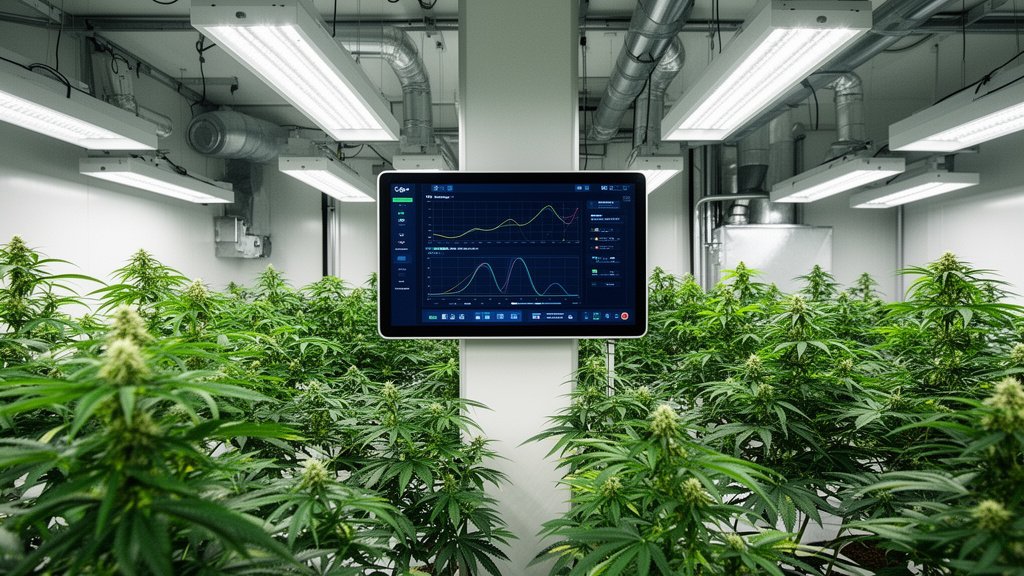
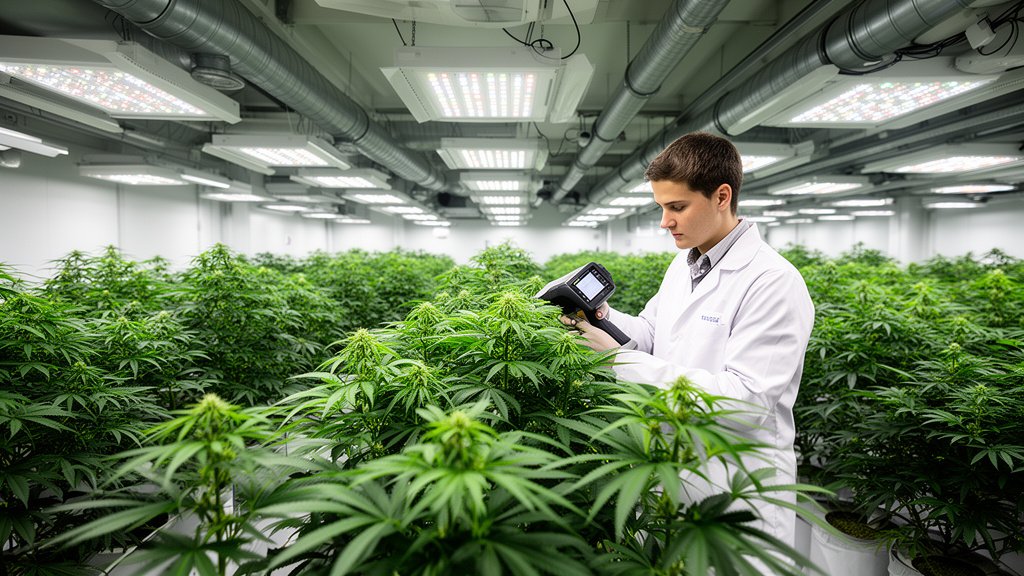
For cannabis growers, the new regulations introduce rigorous standards, most notably the mandatory Good Agricultural and Collection Practices (GACP) certification. This certification is crucial for ensuring that all cannabis products sold originate from compliant cultivation sites. To achieve and maintain GACP certification, growers must implement a robust quality management system.
This involves meticulous record-keeping from seed to sale, encompassing details such as plant provenance, fertilizer logs, pest management strategies, harvest dates, and quality control test results. Annual surveillance and periodic inspections will be conducted by authorities. Growers are also required to maintain detailed documentation and ensure continuous adherence to best practices, including staff training. Non-compliance with GACP standards can lead to the suspension of licenses for downstream partners, including dispensaries and exporters, creating a ripple effect throughout the supply chain. Small-scale growers, in particular, express concerns about their ability to meet these elevated requirements and remain competitive.
From Liberalization to Control: A Policy U-Turn
Thailand’s journey with cannabis has been a dynamic one. The country made headlines by decriminalizing cannabis in June 2022, which led to a rapid expansion of dispensaries and a significant boost to the economy, but also raised concerns about uncontrolled recreational use, particularly among youth. Citing these public health concerns and the need for greater regulatory oversight, the government has now implemented these stricter controls. The policy shift aims to curb misuse and ensure that the benefits of cannabis are channeled exclusively for medical and therapeutic purposes, establishing a more structured and controlled market.
The new framework, while presenting significant challenges for many operators, also seeks to professionalize the industry and build trust in medical cannabis products, potentially paving the way for greater international collaboration and export opportunities for those who can meet the stringent quality requirements. The government has also introduced the Cannamed Connect platform to aid in the oversight of prescriptions and distribution, aiming for greater transparency and control. The overall impact is a redefinition of Thailand’s cannabis sector, prioritizing safety, quality, and medical efficacy. For those involved, understanding these new rules and seeking proper advice is now paramount to navigating this evolving landscape.