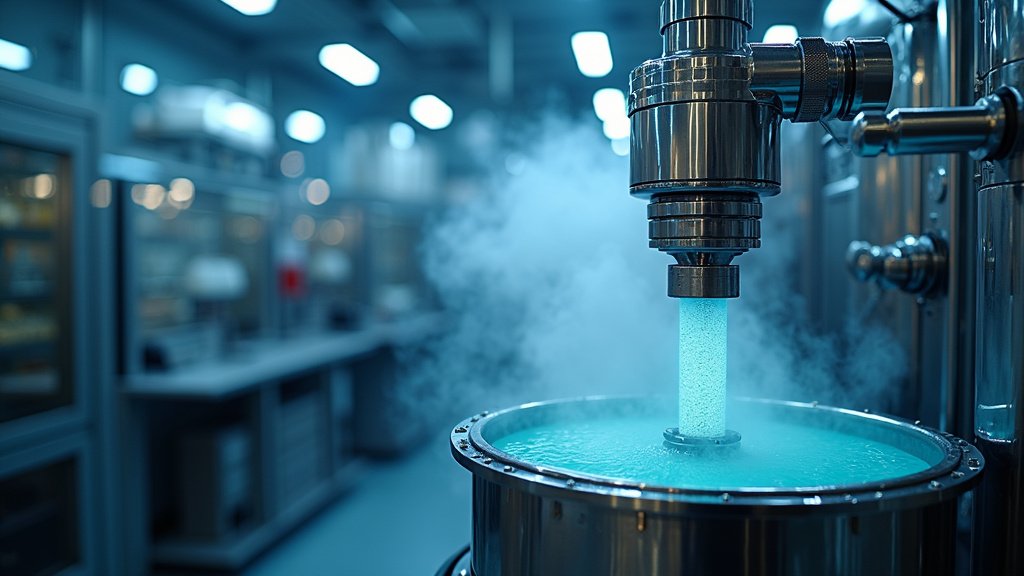
The global cannabis industry continues its robust expansion, with the demand for high-quality THC concentrates driving significant innovation in extraction technology. As 2025 unfolds, the market for cannabis extraction equipment is experiencing remarkable growth, projected to reach tens of billions of dollars in the coming years. This surge is fueled by increasing global legalization, a discerning consumer base seeking purity and potency, and continuous advancements in extraction methodologies and equipment. The news surrounding this sector highlights a dynamic shift towards sophisticated, safe, and efficient processing tools.
Market Expansion and Key Drivers
The cannabis extraction equipment market is on a steep upward trajectory. Valued at approximately $9.6 billion in 2023, it is anticipated to grow substantially, with some forecasts suggesting it could exceed $34 billion by 2032, exhibiting a CAGR of over 15% during the forecast period. This growth is largely propelled by the increasing legalization of cannabis for medicinal and recreational purposes worldwide, leading to a greater demand for derived products like oils, tinctures, edibles, and concentrates. Furthermore, heightened consumer awareness of the potential therapeutic benefits of cannabinoids and a desire for premium, high-purity products are key market drivers.
Trending Extraction Technologies
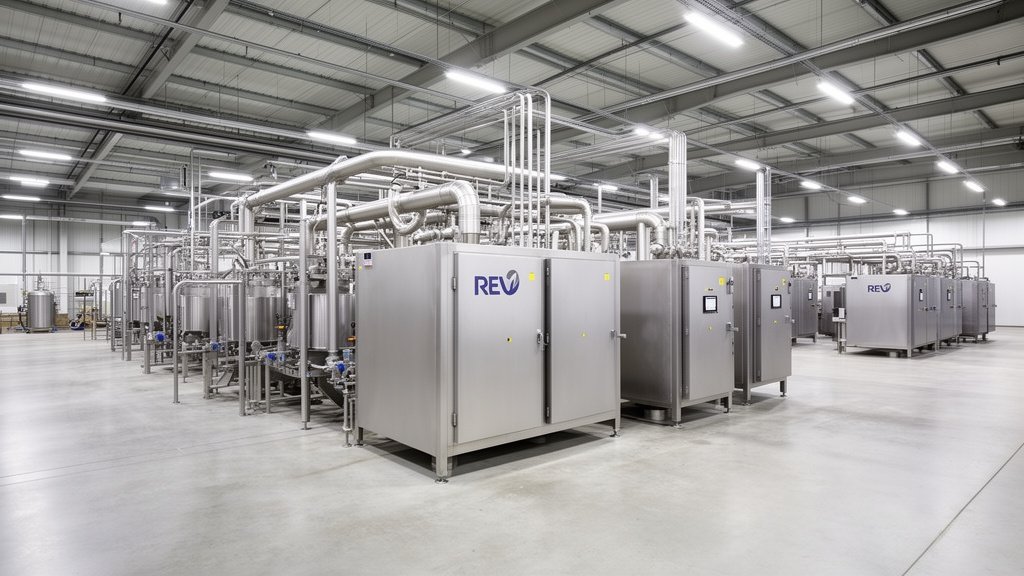
A significant trend in the THC extraction machine market is the pronounced shift towards closed-loop systems. These systems are vital for safety, particularly when using volatile solvents like butane and propane, as they completely contain the solvent within a sealed environment, minimizing risks of leaks and explosions. Beyond safety, these advanced tools are designed for efficient solvent recovery, reducing waste and operational costs. The integration of automation and IoT is another critical development, enabling precise process control, real-time monitoring, and data analytics, which enhance consistency and yield.
Solvent-Based vs. Solventless Methods
The choice of extraction method remains a central discussion. Solvent-based extractions, including CO2, ethanol, and hydrocarbon methods, are widely adopted for their efficiency and scalability. Supercritical CO2 extraction is praised for its safety and ability to produce high-purity extracts without residual solvents, though it often involves high equipment costs. Ethanol extraction, known for its cost-effectiveness and scalability, is also being refined for reduced recovery times and enhanced selectivity. Hydrocarbon extraction, using solvents like butane or propane, is favored for its flexibility and cost-effectiveness, though it necessitates rigorous safety protocols due to the flammability of its solvents.
Conversely, solventless extraction techniques are gaining substantial traction, appealing to consumers seeking cleaner, more natural products. Rosin pressing, which uses heat and pressure to extract oils, is a prime example. Modern rosin presses are becoming increasingly sophisticated, offering precise control over temperature and pressure to preserve delicate terpenes and cannabinoids, leading to higher yields and better quality. Innovations like automated rosin presses and specialized bag designs are streamlining production for both craft and commercial operations. Other solventless methods, such as ice water hash, also continue to be popular.
Emerging Innovations and Equipment Features
Beyond these core methods, newer technologies are advancing the field. Cryogenic extraction aims to preserve volatile terpenes by using extremely low temperatures, while microwave-assisted extraction (MAE) and ultrasonic-assisted extraction offer faster processing times and increased efficiency by leveraging specific energy sources to break down plant material. Nanotechnology is also finding its place, enabling the creation of nanoemulsions for better bioavailability and enhanced filtration for exceptional purity.
When selecting THC extraction equipment in 2025, crucial factors include scalability to match business size, GMP compliance, robust safety features, high solvent recovery rates, and energy efficiency. Manufacturers are offering a range of tools, from high-capacity commercial systems capable of processing thousands of pounds daily to more compact units for smaller operations. Companies like G-Force Extraction, Pure5™, and various others are innovating with features designed to reduce operational costs, improve throughput, and ensure high-quality, consistent output.
The Future of THC Extraction
The trajectory of the THC extraction machine market points towards continued innovation, with a strong emphasis on sustainability, automation, and achieving pharmaceutical-grade purity. As regulations evolve and consumer demand for diverse, high-quality concentrates grows, the development and adoption of advanced extraction equipment will remain a critical aspect of the cannabis industry’s success. The latest news in this sector indicates that businesses prioritizing efficiency, safety, and product integrity will lead the way in harnessing the full potential of cannabis through cutting-edge tools and equipment.