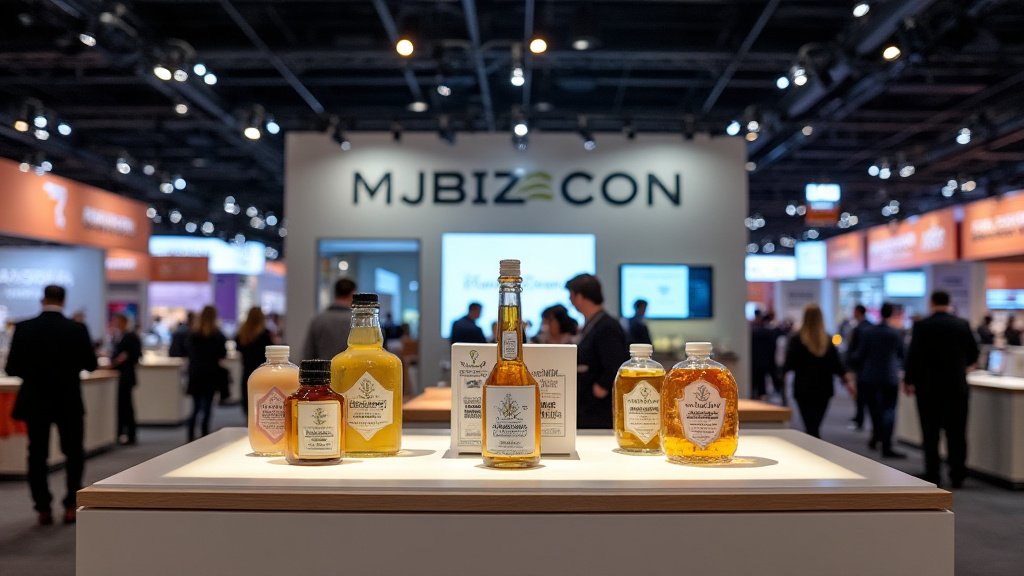
The landscape of global cannabis commerce is undergoing a profound transformation, one driven by the assertion of tribal sovereignty and the expansion of economic networks that prioritize community-led growth. As the industry prepares for the upcoming MJBizCon 2026, scheduled for December 1–4 in Las Vegas, the Indigenous Cannabis Industry Association (ICIA) has confirmed the return and significant expansion of the Indigenous Cannabis Village. This initiative is more than a trade show exhibition; it represents a strategic hub for Indigenous businesses, tribal leaders, and stakeholders to forge partnerships that operate at the intersection of traditional values and modern regulatory commerce.
The Strategic Evolution of Tribal Cannabis
The Indigenous Cannabis Industry Association (ICIA) has consistently positioned itself as the leading voice for tribal business interests within the rapidly maturing legal cannabis market. By securing an expanded footprint at MJBizCon 2026, the ICIA aims to address the structural disparities that have often marginalized tribal enterprises. The upcoming Village is designed to be a high-traffic focal point where tribal operators can showcase their compliance-ready businesses, distribution capabilities, and vertically integrated operations to a global investor audience.
Tribal sovereignty serves as the bedrock of these business operations, providing a distinct regulatory framework that allows for rapid innovation and community-reinvested profits. Unlike non-tribal entities that are often hampered by conflicting state-level mandates, Indigenous cannabis businesses are leveraging sovereign status to create efficient supply chains. The 2026 expansion of the Village recognizes that tribal commerce is not merely a niche; it is a primary driver of the sector’s long-term economic sustainability.
The MJBizCon 2026 Blueprint: Innovation Meets Tradition
At the core of the MJBizCon 2026 event, the Indigenous Cannabis Village will function as a self-contained ecosystem. The programming will move beyond standard networking to include deep-dive sessions on tribal law, economic diversification strategies, and the integration of cultural heritage with cutting-edge cannabis technology. Attendees can expect a curated experience that features:
- Dedicated B2B Matchmaking: Facilitating direct connections between tribal cultivators, manufacturers, and international distribution partners.
- Regulatory Strategy Workshops: Expert-led discussions on navigating cross-jurisdictional compliance and the protection of tribal-state compacts.
- Cultural Programming: Highlighting the connection between traditional plant medicine and modern agricultural practices, reinforcing the ethical foundations of the Indigenous cannabis movement.
This year’s expansion reflects a surge in interest from the venture capital and mainstream cannabis sectors, which are increasingly recognizing the stability and long-term viability of tribal-run operations. By centralizing these conversations in the Village, the ICIA is effectively leveling the playing field for businesses that have historically faced significant barriers to entry in major trade conferences.
Economic Impact and The Sovereignty Advantage
To understand the gravity of the ICIA’s presence at MJBizCon 2026, one must analyze the unique economic advantages inherent in tribal cannabis business models. The concept of sovereignty enables a nimbler approach to legislative changes. When tribal businesses enter into compacts, they often develop bespoke regulatory frameworks that emphasize public health and safety while promoting economic growth.
Research indicates that Indigenous-led businesses are increasingly focusing on vertical integration—owning the entire process from seed to sale. At MJBizCon, this becomes a selling point. Investors are shifting away from speculative, high-burn startups in favor of established, compliant, and community-rooted businesses. The Indigenous Cannabis Village provides a platform for these businesses to prove that profitability does not require sacrificing their commitment to their sovereign lands or community wellbeing.
Furthermore, the Village serves as a critical education node. Many conference attendees, including policymakers and industry analysts, are seeking to understand how tribal economies work. The Village demystifies these processes, offering data-driven insights into how tribal businesses have achieved consistent revenue growth despite a volatile national market. It is here that the intersection of traditional land stewardship and modern commercial agriculture is most clearly demonstrated.
A Future-Facing Regulatory Outlook
The legislative landscape for cannabis in the United States remains a patchwork, yet tribal operators are carving out paths that serve as templates for future federal policy. The ICIA’s work in the lead-up to the December event has focused on advocacy that ensures Indigenous interests are included in any potential federal descheduling or regulatory shift.
As we look toward the December 1–4 window in Las Vegas, the conversations taking place within the Village will likely influence national policy discussions for the subsequent year. By positioning tribal leadership at the center of the largest cannabis trade conference in the world, the ICIA is ensuring that Indigenous voices are not only heard but are foundational to the shaping of the industry’s future. The focus on inter-tribal trade—creating a network where tribal businesses support each other across state lines—will be a primary theme of the discussions, potentially signaling a new era of Indigenous-led interstate commerce.
Scaling the Success of Tribal Enterprise
For businesses looking to thrive in the 2026 market, the takeaway from the ICIA Village is clear: partnership and scale. The Village provides the necessary infrastructure to facilitate large-scale deals that were previously out of reach for individual tribal entities. By consolidating their market presence, these businesses are building a coalition that is too significant to ignore. The 2026 event will serve as a bellwether for the industry, marking the point at which tribal cannabis officially moved from a localized, grassroots movement to a central, indispensable component of the global legal cannabis economy. As the industry gathers in Las Vegas, the eyes of investors, lobbyists, and competitors alike will be fixed on the Indigenous Cannabis Village, waiting to see what the next chapter of sovereign commerce looks like.