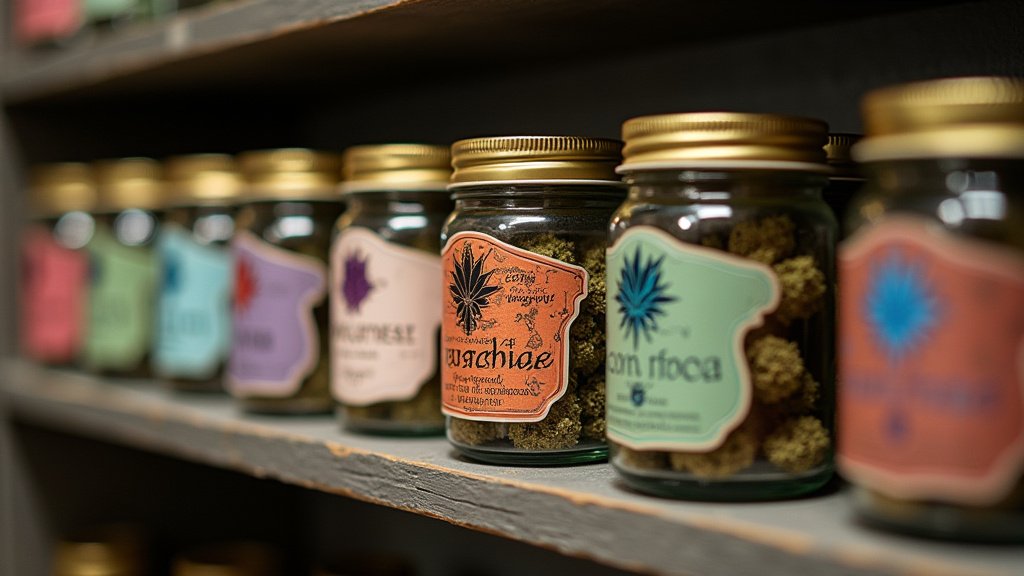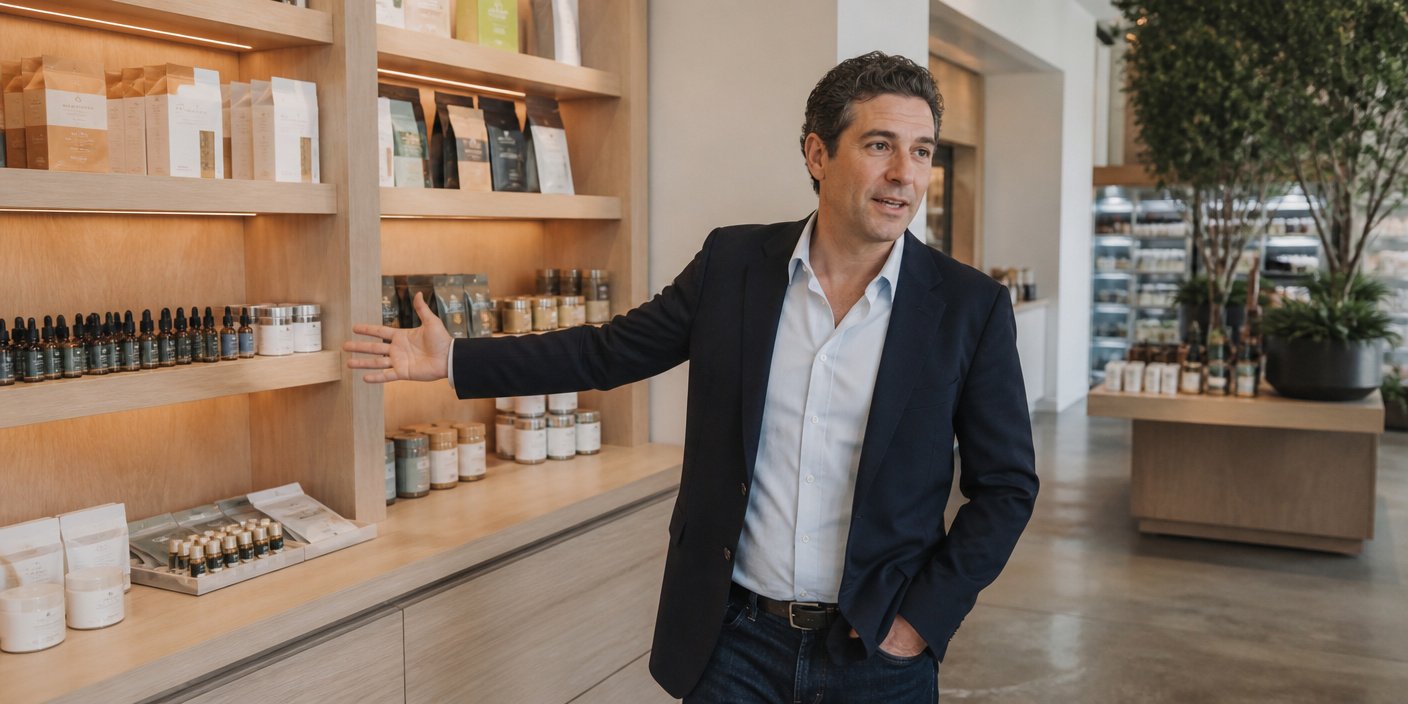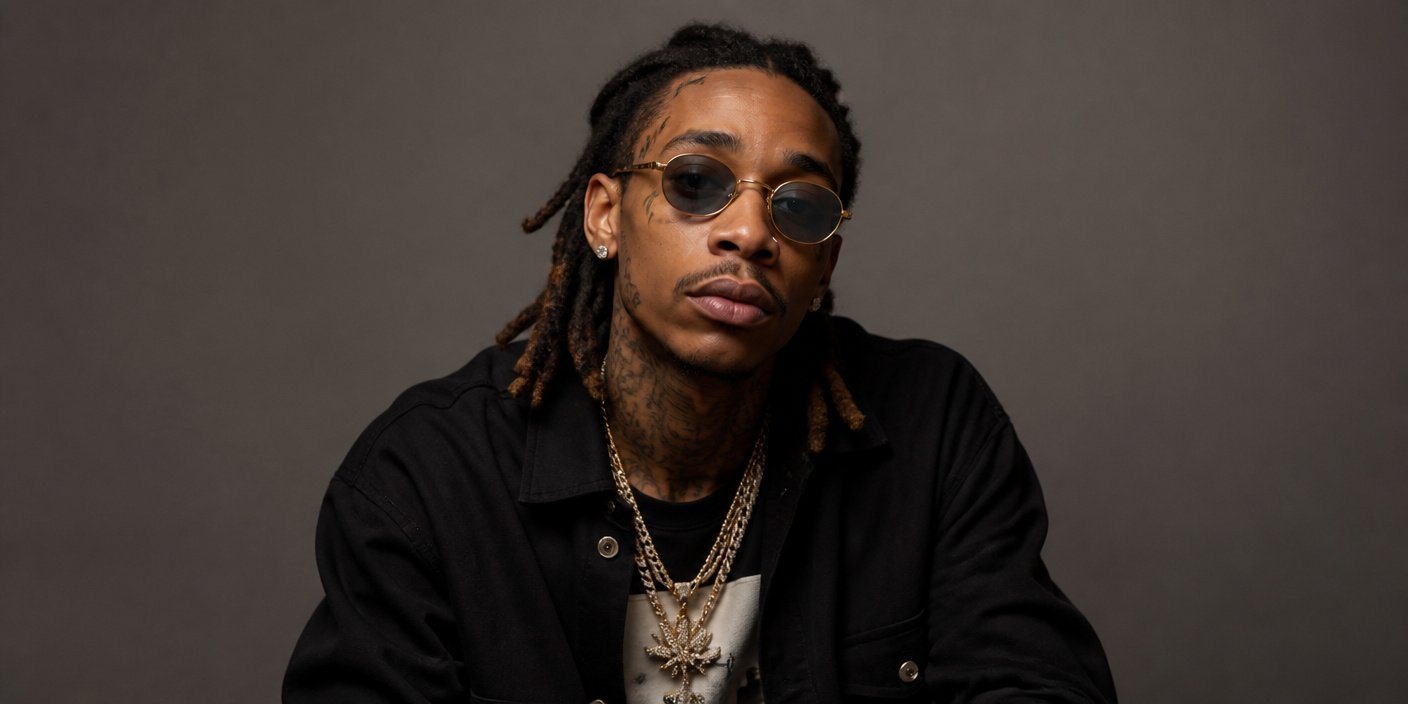
After an absence of exactly ten years, rap icon and cannabis mogul Wiz Khalifa has returned to the cover of High Times Magazine for its landmark Summer/Fall 2026 issue. This highly anticipated reunion arrives at a pivotal moment in the industry, reflecting a decade of tectonic shifts in public perception, legislative progress, and the artistic craft of cannabis culture. The issue does more than simply feature a celebrity; it serves as a retrospective on the evolution of a movement that has transformed from an underground subculture into a multi-billion-dollar global industry.
Key Highlights
- Ten-Year Reunion: Wiz Khalifa makes his first High Times cover appearance since 2016, marking a decade of significant growth for both the artist and the cannabis industry.
- Evolution of Culture: The issue analyzes the shift from the illicit market to mainstream, regulated commerce, highlighting how figures like Khalifa navigated this transition.
- Focus on Social Reform: A dedicated section examines the ongoing plight of cannabis prisoners, emphasizing that while legalization spreads, the legacy of the drug war remains a critical policy failure.
- Psychedelic Renaissance: Beyond the leaf, the issue explores the history and potential of psychedelic medicine, aligning with the growing overlap between cannabis and alternative therapies.
- Rolling Artistry: A deep-dive feature on the craft of rolling, detailing the technical skill and cultural ritual that Khalifa has famously championed throughout his career.
A Decade of Transformation: From Outlaw to Industry Icon
The 2026 Summer/Fall issue of High Times acts as a time capsule, juxtaposing the cannabis landscape of 2016 with the current reality. In 2016, the legal market was in its infancy, fraught with uncertainty and localized stigma. Today, with federal decriminalization efforts and state-level legalization in full swing, the industry has matured, and so has the cultural capital of its most famous advocates. Wiz Khalifa has evolved from a pop-culture icon who loved weed to a legitimate titan of the “Khalifa Kush” (KK) brand. His presence on this cover signifies the normalization of cannabis within entertainment, business, and daily life.
The Shift in Public Perception
Historically, appearing on the cover of High Times carried a badge of defiance. Today, it serves as a testament to the legitimization of the industry. The 2026 issue explores how this normalization has impacted not just the economics of the plant, but the social fabric surrounding it. For Khalifa, this journey has been about control—taking a substance often demonized by the establishment and turning it into a disciplined, high-quality business venture. The feature article provides a detailed look at his strategy, contrasting his early years of DIY promotion with the sophisticated, data-driven approach currently defining his business empire.
Advocacy and the Human Cost
Despite the commercial success stories, the issue strikes a somber, necessary tone regarding those left behind. A significant portion of the reportage is dedicated to the continued incarceration of individuals for cannabis-related offenses. This section provides a stark, factual counter-narrative to the “green rush” wealth explosion. By interviewing legal experts, activists, and families of those still behind bars, High Times emphasizes that the evolution of cannabis culture is incomplete as long as the victims of the failed War on Drugs remain institutionalized. This represents a critical E-E-A-T component of the issue: providing a serious, journalistic examination of the social injustices that persist beneath the shiny veneer of legalized dispensaries.
The Psychedelic Convergence
Perhaps the most forward-looking aspect of this edition is its thorough investigation into the history and future of psychedelics. As states and municipalities across the country begin to decriminalize psilocybin and other compounds, the cannabis industry is finding a natural partner in the psychedelic movement. This issue traces the historical parallels between the two—how both were targeted by the same legislative machinery in the mid-20th century, and how both are now emerging as powerful tools in modern wellness and mental health discourse. The analysis provides readers with a roadmap for understanding where the “alternative medicine” sector is headed over the next five years.
Mastery of the Rolling Craft
Finally, the issue celebrates the tactile, human element of the culture: the art of the roll. While vaporizers and edible technology have advanced the industry, the magazine dedicates substantial space to the aesthetic and ritualistic aspects of rolling. Featuring technical breakdowns of various rolling techniques, including the use of specialized papers and preservation methods, this section honors the craftsmanship that first bonded the community. It serves as a reminder that despite the industrialization of the plant, the individual consumer experience—the ritual itself—remains the heartbeat of the subculture.
FAQ: People Also Ask
Q: Why was the 2026 High Times issue so anticipated?
A: The anticipation stemmed largely from the 10-year gap between Wiz Khalifa’s appearances. The industry has changed drastically since 2016, and fans were eager to see how a central figure like Khalifa has adapted his advocacy and business model to match the current, more professionalized landscape.
Q: What is the main focus of the High Times Summer/Fall 2026 issue?
A: The issue focuses on the evolution of cannabis culture, bridging the gap between historical advocacy (specifically regarding prisoners) and the modern, legalized era. It also dives into the expansion of the culture into psychedelics and the technical artistry of rolling.
Q: How does the magazine address the social issues of cannabis?
A: The issue features in-depth reporting on the ongoing imprisonment of cannabis-related offenders, arguing that legalization must be paired with restorative justice to fully resolve the legacy of the War on Drugs.
Q: Is Wiz Khalifa still involved in the cannabis industry?
A: Yes, he remains a key figure. His presence in this issue highlights his role not only as a cultural icon but as a seasoned business owner who has helped shape modern consumer standards in the cannabis market.