Technology is rapidly reshaping the global cannabis industry, from seed to sale, according to recent analysis. Innovations across cultivation, processing, tracking, and quality assurance are not only optimizing operations but also fueling significant market expansion.
A strategic business analysis report examining the cannabis technology landscape for 2025 highlights a sector poised for exponential growth. The integration of advanced technological solutions is transforming traditional practices, enhancing efficiency, improving product quality, and ensuring regulatory compliance in an increasingly legal and regulated global market.
This technological surge is directly linked to the rapid expansion of the legal cannabis industry worldwide. As more jurisdictions legalize cannabis for medical and adult use, the demand for sophisticated tools to manage complex supply chains, ensure product consistency, and maximize yields is skyrocketing.
Cultivating the Future: AI and Automation in Growth
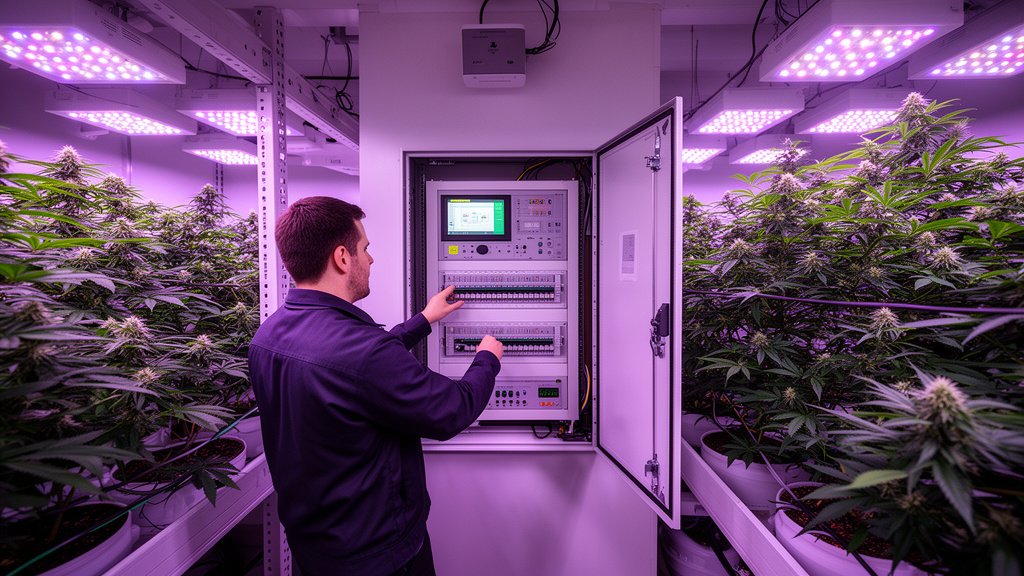
At the forefront of this technological revolution is the application of artificial intelligence (AI) and automation in cultivation. Automated greenhouse systems, powered by AI, are now capable of monitoring and optimizing environmental conditions with unprecedented precision. These systems analyze vast datasets related to light, temperature, humidity, and nutrient levels to create ideal growth environments, significantly enhancing yields and improving the development of desired cannabinoid and terpene profiles within the plants.
Beyond AI, the Internet of Things (IoT) plays a crucial role in modern grow operations. IoT sensors provide continuous, real-time monitoring of environmental factors, allowing cultivators enhanced control and the ability to respond instantly to deviations from optimal conditions. This integration of smart devices facilitates a move towards precision agriculture, where data analytics platforms process information from sensors and other sources to inform decision-making, further refining cultivation techniques and maximizing resource efficiency.
AI is also making inroads into strain development. By analyzing genetic data and growth patterns, AI can assist researchers in developing new cannabis strains tailored for specific cannabinoid profiles or growth characteristics, addressing diverse market demands and medical applications.
Ensuring Transparency: Blockchain in the Supply Chain
Tracing cannabis products from their origin as a seed through every stage of cultivation, processing, distribution, and ultimately to the point of sale is critical for regulatory compliance and consumer trust. Blockchain technology has emerged as a robust solution for seed-to-sale tracking.
Blockchain-based systems create an immutable, transparent ledger of every transaction and movement within the supply chain. This not only enhances transparency for regulators and consumers but also improves operational efficiency by providing clear, verifiable records, mitigating risks associated with diversion or contamination.
Advancements in Processing and Quality Control
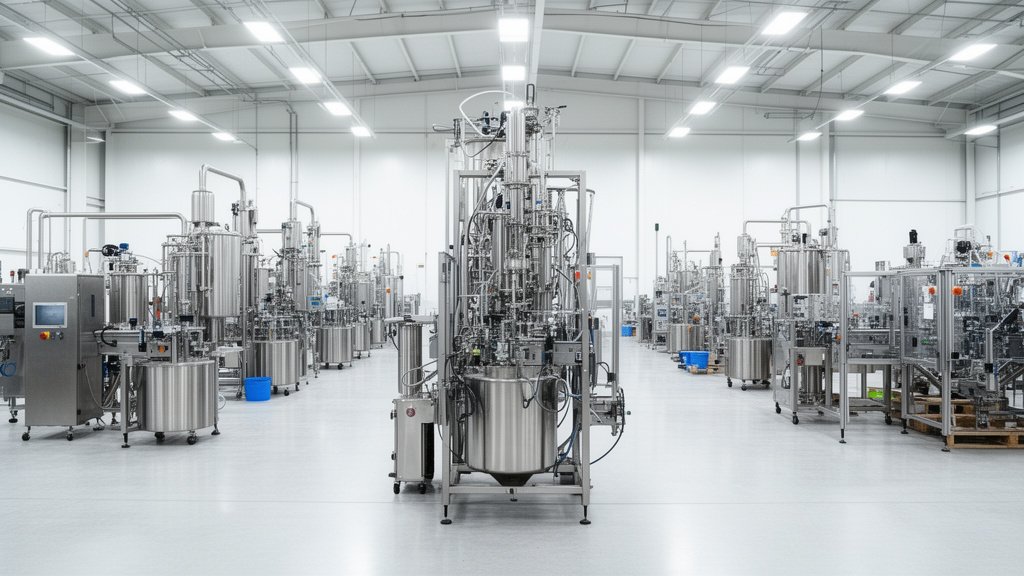
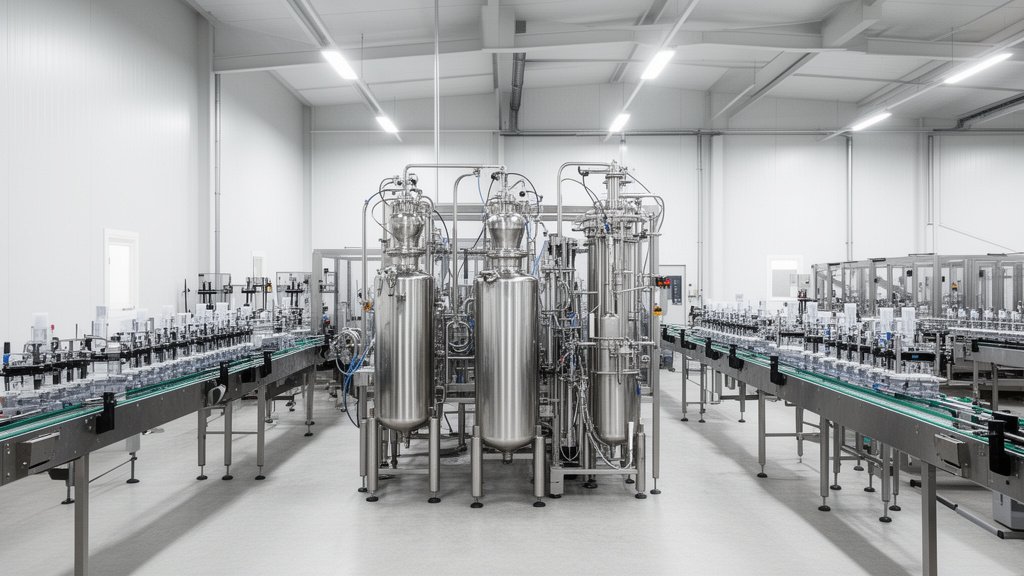
Once cultivated, cannabis undergoes various processing stages, including extraction to isolate cannabinoids like THC and CBD. Technological advancements in extraction and processing techniques are leading to purer, more potent, and more consistent cannabis products.
Methods such as supercritical CO2 extraction and ethanol-based techniques are becoming standard, offering increased efficiency and the ability to produce high-purity cannabinoid concentrates and isolates. These techniques require sophisticated equipment and precise control, driving innovation in manufacturing technology within the industry.
Parallel to processing, the importance of cannabis testing and lab technology is growing significantly. Robust testing protocols and advanced analytical equipment are essential for quality assurance, ensuring products are free from contaminants (like pesticides, heavy metals, and microbes) and accurately labeled for cannabinoid and terpene content. This segment of the technology market is vital for building consumer confidence and upholding public health standards.
Market Trajectory: Rapid Growth Projected
The collective impact of these technological advancements is reflected in the market’s financial performance and future projections. The global market for Cannabis Technology was estimated to be approximately US$6.2 Billion in 2024. Driven by ongoing innovation and the relentless expansion of legal markets, this sector is projected for substantial growth.
According to market analysis, the global cannabis technology market is forecast to reach US$23.7 Billion by 2030. This represents a compound annual growth rate (CAGR) of 24.9% between 2024 and 2030, indicating a period of intense investment and adoption of new technologies across the industry.
This trajectory underscores technology’s pivotal role not just as an enabler, but as a primary driver of growth and maturation within the legal cannabis sector. As the industry navigates regulatory complexities and scales up operations, technological innovation will remain central to achieving efficiency, ensuring compliance, and meeting evolving consumer demands.