LONDON – Technology is rapidly transforming the global cannabis industry, fundamentally reshaping its complex supply chain from initial cultivation through to final retail distribution. A significant new strategic business analysis report underscores the pivotal role of innovation in driving efficiency, compliance, and substantial market expansion within the sector.
The report highlights how advanced technological integrations are becoming indispensable across the entire cannabis value chain. Key innovations span sophisticated automated greenhouse systems, cutting-edge extraction methods, robust compliance tracking platforms, and digitally-driven retail solutions.
Automation and AI Revolutionize Cultivation
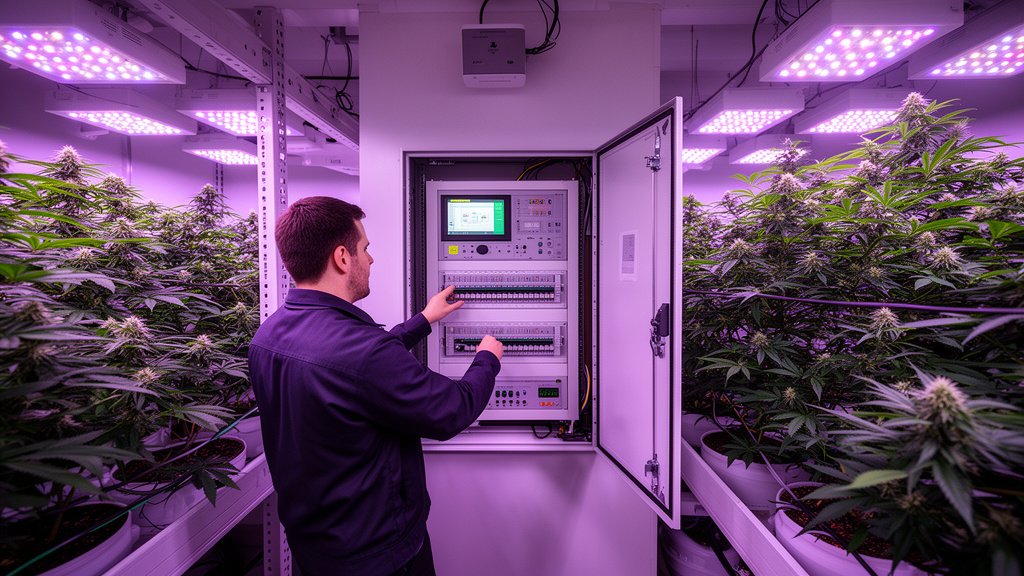
At the cultivation level, automated greenhouse systems equipped with Artificial Intelligence (AI) are emerging as critical tools. These systems are designed to optimize environmental conditions – controlling factors such as temperature, humidity, light cycles, and nutrient delivery – to achieve higher yields and improve the desired cannabinoid profiles in the harvested plants. Beyond basic automation, the integration of Internet of Things (IoT) devices in grow operations provides granular data streams, which are then analyzed by data analytics platforms enabling precision agriculture techniques tailored to specific strains and growth phases.
Further upstream in research and development, AI is also being leveraged for AI-powered strain development, accelerating the process of breeding and selecting cannabis varieties with specific traits for medicinal or recreational use.
Enhancing Supply Chain Transparency and Compliance
Maintaining transparency and ensuring regulatory compliance across the supply chain is paramount in the highly regulated cannabis market. The report emphasizes the growing adoption of blockchain-based seed-to-sale tracking solutions. These systems provide an immutable ledger that records the journey of cannabis products from their origin as seeds or clones, through cultivation, processing, testing, packaging, and distribution, all the way to the final point of sale. This enhances transparency for regulators, businesses, and consumers alike, while streamlining compliance processes.
Advancements in Processing and Extraction
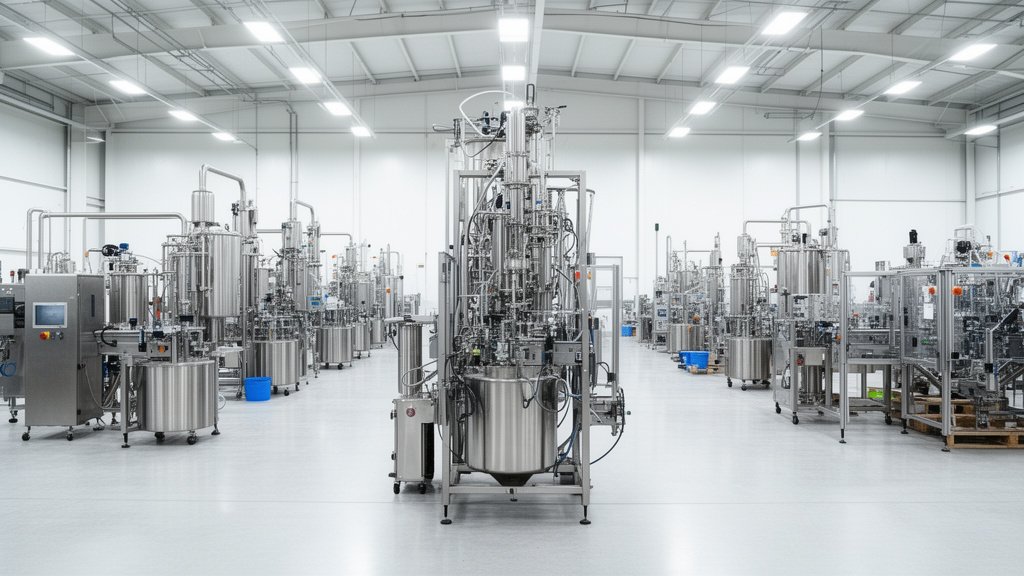
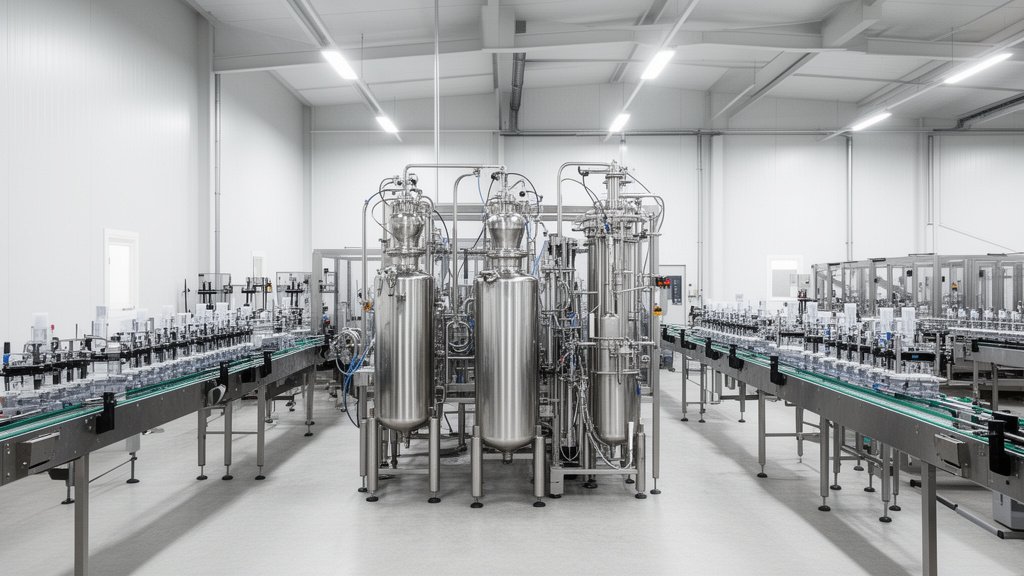
The processing and extraction phase of the cannabis industry is also seeing significant technological advancements. Techniques utilizing supercritical CO2 and ethanol-based methods are becoming more refined. These methods are crucial for extracting cannabinoids and terpenes from plant material with improved purity and efficiency, catering to the growing demand for high-quality oils, concentrates, and isolates used in various products.
Pharmaceutical cannabis companies, in particular, are heavily leveraging these advanced extraction and formulation technologies to produce standardized, high-purity medical cannabis products that meet stringent pharmaceutical quality standards.
Digital Transformation in Retail
The final stage of the supply chain, retail, is undergoing its own digital transformation. The report points to the increasing adoption of e-commerce platforms, allowing consumers to browse and purchase products online where permitted by regulation. Digital payment systems are becoming more integrated and user-friendly, although challenges related to traditional banking access persist in some markets. Furthermore, retailers are implementing AI-based inventory management systems to optimize stock levels, reduce waste, and predict consumer demand more accurately.
Significant Market Growth Projected
The strategic analysis paints a clear picture of robust future growth for the cannabis technology market. The overall global market for Cannabis Technology, estimated at US$6.2 Billion in 2024, is projected to grow significantly to US$23.7 Billion by 2030. This represents a compound annual growth rate (CAGR) of 24.9% over the forecast period.
The growth is distributed across different technological segments. The Hardware Component segment, encompassing cultivation equipment, processing machinery, and lab instruments, is expected to reach US$16.8 Billion by 2030, demonstrating a strong CAGR of 28.5%. The Software Component segment, including seed-to-sale tracking, ERP systems, e-commerce platforms, and AI/data analytics tools, is projected for substantial 18.3% CAGR growth.
Additionally, the report notes growth in the cannabis testing and lab technology sector, which is essential for ensuring product safety, potency, and compliance with regulatory standards across all market segments.
Conclusion
The findings from this comprehensive report underscore the indispensable role of technology in the maturation and expansion of the global cannabis industry. From sophisticated agricultural techniques and transparent supply chains to advanced processing and digital retail, technology is not merely supporting the industry – it is actively driving its future, promising efficiency gains, enhanced product quality, and significant economic opportunities as reflected in the strong market growth projections.