The world of cannabis is incredibly diverse, with distinct varieties offering unique experiences and growth characteristics. Among them, pure Indica strains stand out, celebrated for their deeply relaxing effects and robust physical traits. To truly appreciate these revered plants, one must delve into their ancient history, understand their profound benefits, and master the art of their cultivation.
A Journey Through Time: The Origins of Indica
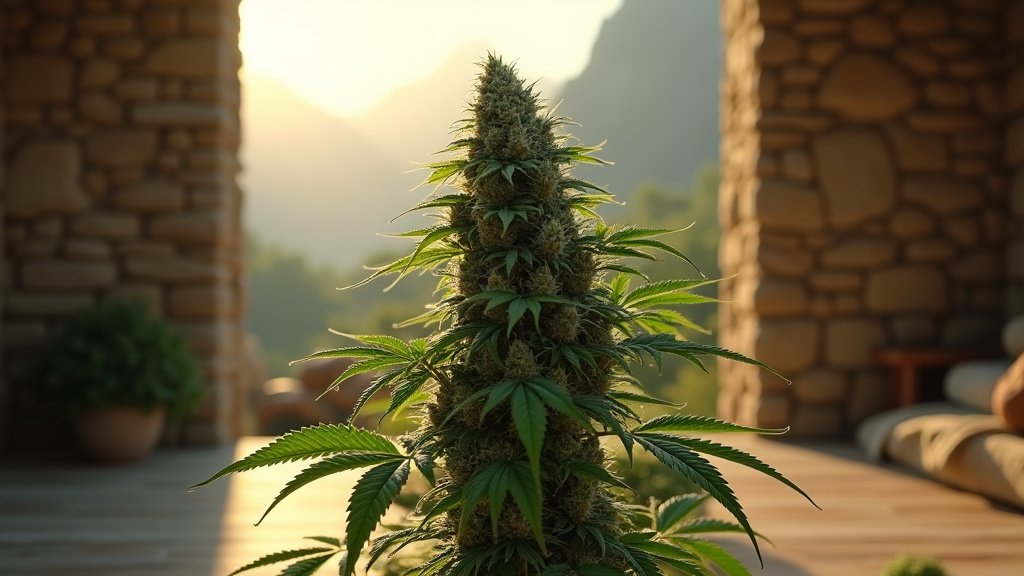
Pure Indica cannabis strains trace their lineage back to the harsh, mountainous regions of Central Asia, specifically originating from areas like Afghanistan, India, Pakistan, and Turkey. Botanist Jean-Baptiste Lamarck formally identified and named Cannabis indica in 1785, observing its distinct characteristics and inferring its Indian origin. These plants naturally adapted to the often-turbulent, dry climates and shorter growing seasons of the Hindu Kush mountain range. This adaptation led to their characteristic compact structure and rapid flowering cycle, a critical survival mechanism against the unforgiving environment. Historically, Indica varieties were widely cultivated for the production of hashish, a practice deeply embedded in the culture of their native lands. While truly pure landrace Indica strains are rare today due to extensive crossbreeding, their genetic legacy endures in numerous Indica-dominant hybrids, with names like Hindu Kush and Afghan Kush serving as direct homages to their ancient roots.
The Deeply Calming Embrace: Benefits of Indica
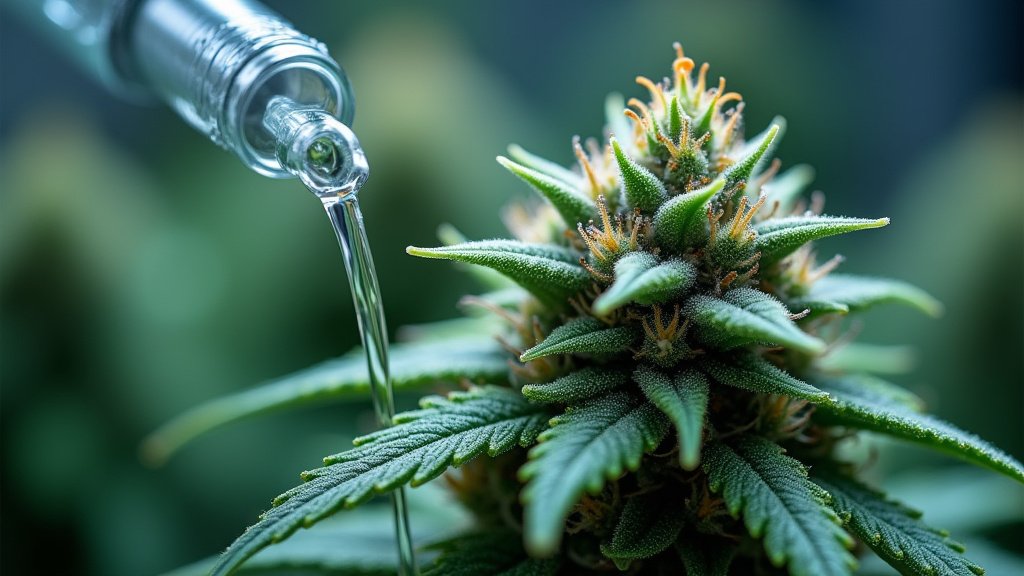
Indica strains are most renowned for their profoundly relaxing and sedative properties, often described as inducing a comforting “body high” that can lead to a sensation of “couch-lock.” This makes them a popular choice for evening use, as they are highly effective in promoting restful sleep and alleviating insomnia. Beyond relaxation, the benefits of pure Indica extend to significant therapeutic applications. They possess strong analgesic properties, making them a go-to for individuals seeking relief from various forms of pain, including chronic pain, muscle tension, spasms, arthritis, fibromyalgia, and even neuropathic pain. The anti-inflammatory effects of Indica cannabis also contribute to reducing discomfort in muscles and joints. Many users also report that Indica strains can effectively combat nausea and stimulate appetite, often leading to the well-known phenomenon of “the munchies.” Furthermore, their calming influence is sought after for reducing anxiety, stress, and managing symptoms associated with PTSD and certain mood disorders. The unique effects of Indica are attributed not just to their cannabinoid profile, which often includes higher levels of CBD alongside varying THC content, but also to their rich terpene profile. Terpenes like myrcene, linalool, and caryophyllene contribute significantly to the strain’s sedative and soothing qualities.
Mastering the Grow: Expert Cultivation Advice for Pure Indica
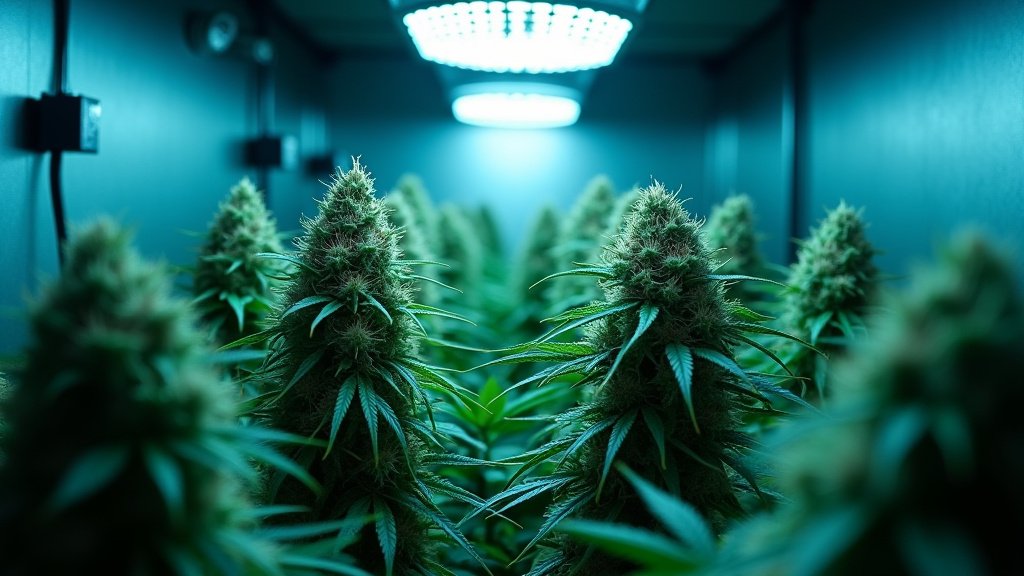
For those venturing into cannabis cultivation, pure Indica strains are often considered an excellent starting point due to their manageable size and relatively quicker growth cycle. Their compact, bushy stature, characterized by thick stems and wide, broad, dark green leaves, makes them particularly well-suited for indoor grow environments where space might be limited.
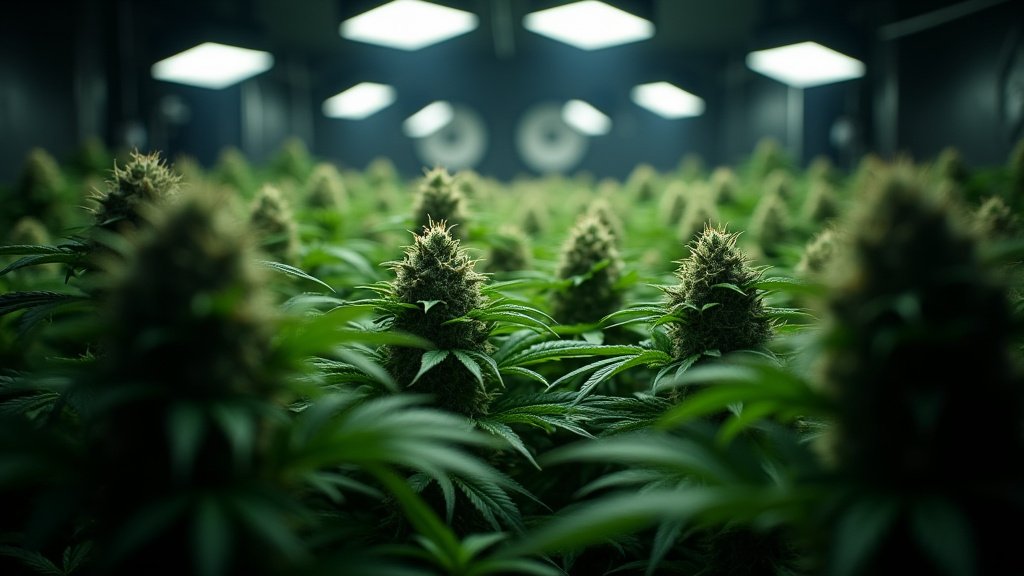
Environmental Controls: Maintaining optimal conditions is paramount. Indica plants thrive in moderate to cool temperatures. During the vegetative stage, aim for 70-75°F (20-24°C), and in the flowering stage, slightly cooler temperatures of 65-70°F (18-24°C) are ideal, with night temperatures about 10°F lower. Humidity levels also require careful management: target 50-60% relative humidity during the vegetative phase, reducing it to 30-50% during flowering to prevent mold and mildew. Consistent airflow, facilitated by fans and exhaust systems, is crucial for preventing stagnant air and promoting healthy growth.
Lighting Regimen: Lighting is a critical trigger for cannabis growth stages. In the vegetative phase, Indica plants flourish under 18-24 hours of light per day. To initiate and sustain the flowering cycle, the light schedule must be switched to a strict 12 hours of light and 12 hours of uninterrupted darkness. High-quality artificial lighting, such as LED or HPS lights, is recommended for indoor setups to ensure plants receive adequate intensity.
Nutrient Management: Proper nutrition is key to a successful harvest. During the vegetative stage, Indica plants require a balanced nutrient mix with a focus on nitrogen to support lush foliage development. As they transition into the flowering stage, the nutritional needs shift. Growers should reduce nitrogen and significantly increase phosphorus and potassium levels, which are vital for robust bud development and resin production. It is beneficial to use a quality, well-draining soil or coco coir as a growing medium. Regular monitoring of pH levels in the watering solution (ideally 5.5-6.5 for soil) ensures efficient nutrient uptake by the plant roots.
Watering and Common Challenges: Overwatering is a frequent mistake for novice growers, leading to root rot and nutrient deficiencies. It’s important to allow the soil to dry out between waterings. While Indica plants are generally hardy, they can still face challenges such as nutrient burn (from overfeeding), various nutrient deficiencies (indicated by discolored leaves), heat stress, and pests like spider mites or aphids. Regular inspection and maintaining a sterile grow environment are vital preventive measures. The relatively short flowering cycle of Indica strains, typically 8-10 weeks, means a quicker turnaround to harvest, making the entire cultivation process more gratifying.
By understanding their historical lineage, embracing their widespread benefits, and applying diligent cultivation advice, growers and consumers alike can fully appreciate the unique qualities of pure Indica cannabis strains.