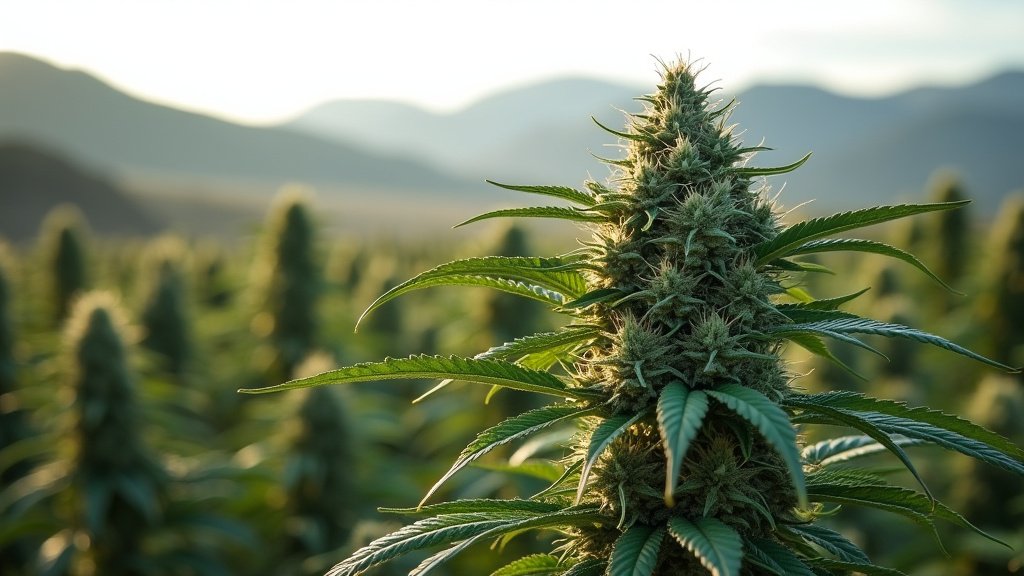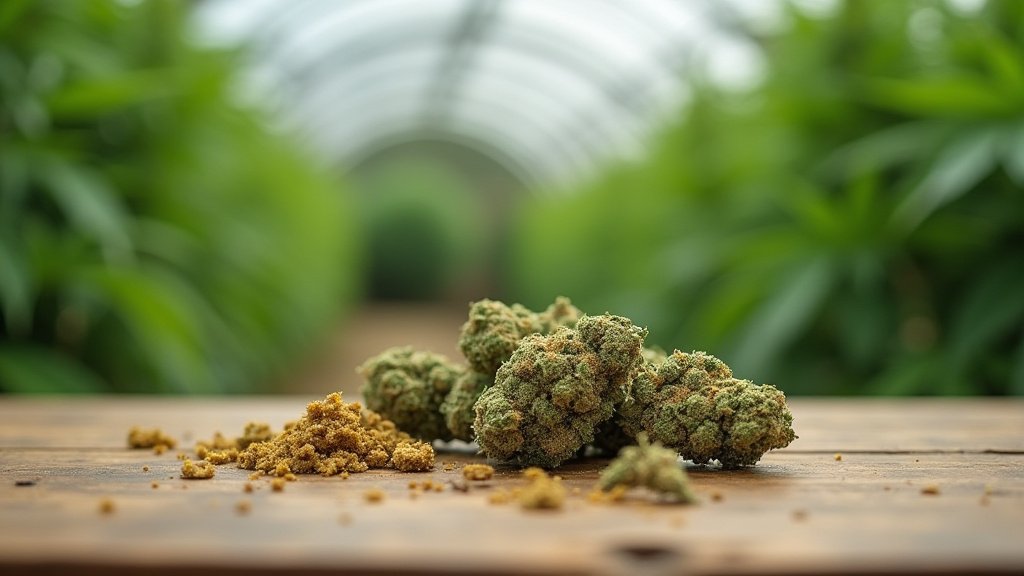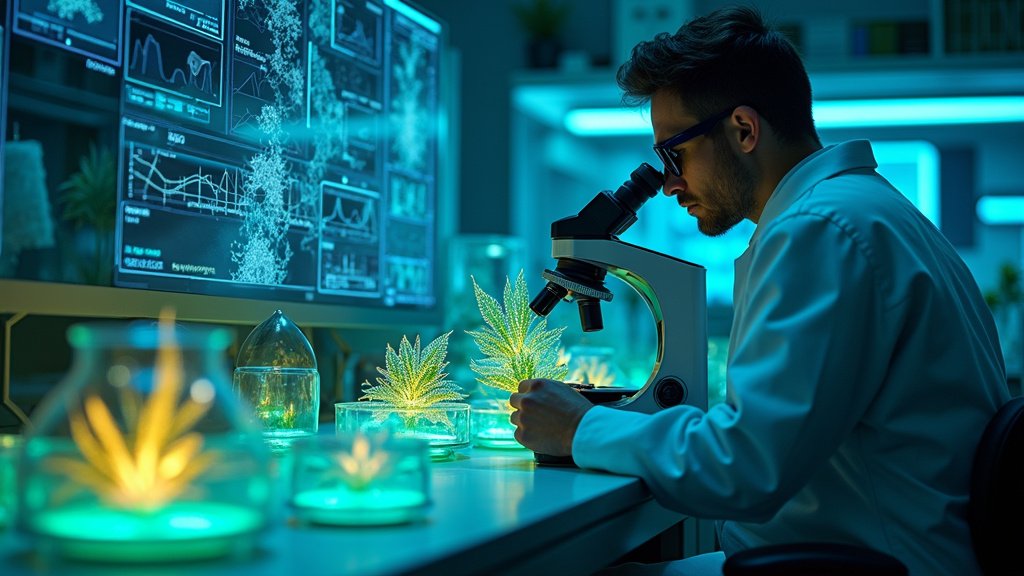
The evolution of cannabis seeds represents a remarkable journey from ancient, naturally adapted landraces to the highly engineered “lab legends” of today. This transformation, accelerating rapidly in recent years, is driven by a deeper understanding of genetics and a pursuit of specific traits like enhanced potency, nuanced flavors, and robust environmental resilience. As we look towards 2025, the cannabis industry is witnessing the cutting edge of strain development, where scientific precision and horticultural artistry converge.
From Landrace Legacies to Hybridization
The story of cannabis genetics begins with landrace strains. These are the original, wild varieties that evolved over millennia in specific geographic regions, adapting to their unique climates, soils, and environments. Strains like Afghani, Hindu Kush, Thai, and Durban Poison developed pure, stable genetic profiles, serving as the foundational building blocks for virtually all modern cannabis. While resilient and possessing distinct characteristics, these landraces often presented challenges for commercial cultivation, including unpredictable sex ratios and lengthy flowering times.
The next significant leap came with hybridization. Early cultivators and breeders began intentionally crossing different landraces, seeking to combine desirable traits such as increased potency, improved flavor, better yields, and faster growth cycles. This selective breeding process led to the emergence of iconic hybrids like Skunk #1 and Haze, which set new standards for cannabis development. The early 2000s saw another pivotal advancement with the introduction of feminized seeds. This innovation allowed growers to confidently cultivate nearly all female plants, drastically improving efficiency by eliminating the need to identify and discard males, thereby saving resources and ensuring higher yields of resin-rich flowers. The subsequent development of autoflowering seeds, derived from the Cannabis ruderalis species, further added speed and convenience by enabling plants to flower automatically, irrespective of light cycles.
Precision Breeding and the Rise of “Lab Legends”
Today, the cannabis seed industry is characterized by sophisticated techniques that push the boundaries of what’s possible. Companies like Hypno Seeds are at the forefront, focusing on developing “smarter, stronger, and faster-flowering” plants. Modern breeding programs prioritize several key areas:
* Potency: Advances in genetic mapping, DNA sequencing, and marker-assisted selection (MAS) allow breeders to precisely target and enhance cannabinoid profiles, particularly THC and CBD levels. Technologies like CRISPR (Clustered Regularly Interspaced Short Palindromic Repeats) offer unparalleled precision in gene editing, enabling scientists to modify specific genes responsible for cannabinoid biosynthesis, potentially leading to strains with significantly higher THC content, sometimes exceeding 30%.
* Flavor and Aroma: The intricate world of terpenes—the aromatic compounds responsible for a strain’s unique smell and taste—is a major focus. Breeders are meticulously refining terpene profiles to create complex and exotic flavor combinations, appealing to a discerning consumer base.
* Climate Resilience and Sustainability: Developing strains that can withstand environmental stresses, such as pests, diseases, and fluctuating temperatures, is crucial for sustainable cultivation and broader geographical accessibility. Genetic engineering and marker-assisted selection aid in breeding for hardier, more resistant plants, reducing the need for pesticides and optimizing resource utilization.
A prime example of this evolution is the Glitter Bomb strain. Bred through a collaboration between Compound Genetics and NorCal Genetics, Glitter Bomb exemplifies modern breeding by combining exotic parentage (Grape Gas #10 and OGKB Blueberry Headband) to achieve high THC levels (around 27-28%), impressive resin production, and a complex aroma profile featuring notes of grapes, berries, and fuel. It highlights a peak in modern breeding where artistry meets scientific precision.
Trending Seed Market and Future Innovations
The global cannabis seed market is experiencing robust growth, with projections indicating a substantial increase in value by 2031. This expansion is fueled by increasing legalization across numerous regions, a growing demand for cannabis for both medical and recreational use, and the expanding trend of home cultivation. Companies like Hypno Seeds, based in the USA, are actively contributing to this market by offering a range of premium feminized, autoflowering, and CBD-rich seeds, emphasizing genetic excellence, high germination rates, and unique flavor profiles.
Looking ahead, the cannabis industry continues to innovate. Trends point towards further development of strains with specific medicinal properties, tailored genetic modifications for personalized cannabis experiences, and an increasing focus on sustainability. The integration of advanced technologies like artificial intelligence and data analytics in breeding strategies is set to redefine what is possible, ensuring a future where cannabis strains are not only potent and flavorful but also more predictable and adaptable. This ongoing evolution signifies a dynamic and exciting trajectory for the future of cannabis genetics, with new strain discoveries and advancements constantly emerging.