The cannabis industry faces growing safety concerns. Manual labor creates significant risks for workers. Automation offers powerful solutions. This news highlights a major shift. Many companies are adopting new tools and equipment. These changes aim to protect employees. They also boost overall efficiency.
Common Hazards in Cannabis Operations
Cannabis cultivation and processing tasks are labor-intensive. Workers often perform repetitive motions. This can lead to injuries like carpal tunnel syndrome. Heavy lifting also causes back strains and other sprains. Employees handle chemicals. These include pesticides and solvents. Falls and cuts are also common risks. Operating machinery presents its own dangers. Mold and bacteria thrive in grow environments. High CO2 levels can displace oxygen. UV lighting poses skin and eye risks. These hazards create a challenging workplace.
Automation Reduces Injury Risks
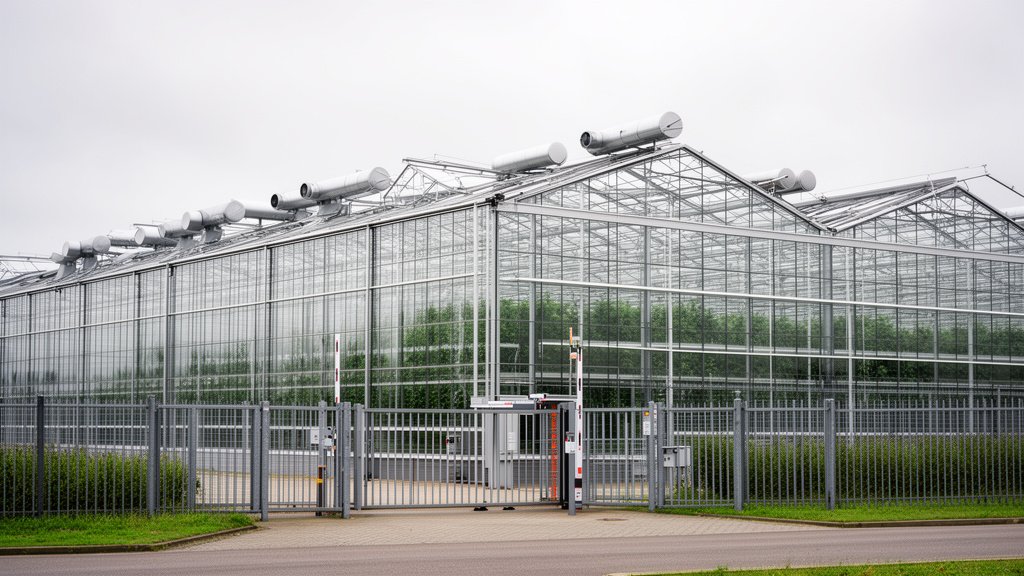
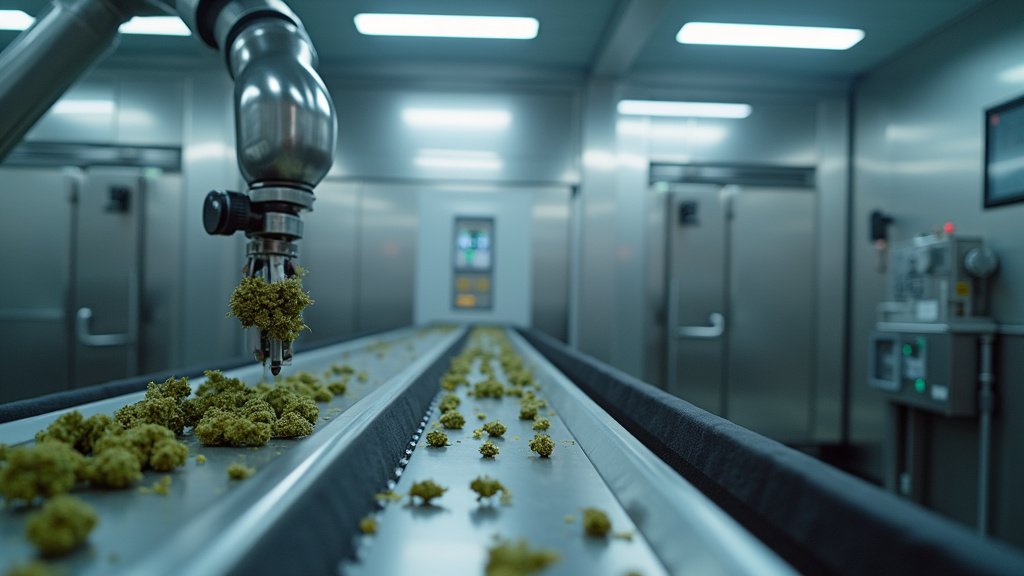
Automation is a key solution for these safety issues. It removes workers from high-risk tasks. Automated trimming machines significantly reduce repetitive hand motions. Robotic handlers and conveyor systems help with heavy lifting. They minimize manual labor and repetitive strain. Automated packaging lines ease strain from lifting. Advanced extraction systems use closed loops. This reduces exposure to hazardous chemicals. Automation also controls growing environments. Climate controls, lighting, and irrigation systems improve safety. Robots handle raw materials precisely. Precision dosing equipment increases accuracy. This minimizes errors and product waste.
Efficiency and ROI Gains
Automation offers benefits beyond injury reduction. It leads to higher productivity and efficiency. Companies see lower labor costs. They also experience less product waste. Automation ensures better product quality and consistency. Many systems help meet safety regulations. Compliance with OSHA is easier. Reduced injury rates lower workers’ compensation costs. This shift converts unpredictable labor costs. It turns them into dependable capital assets. This creates financial stability. However, automation requires investment. Costs include facility retrofits and training.
Emerging Trends and Future Outlook
The adoption of automation is trending. Smart technology and data analysis are crucial. AI and machine learning are transforming operations. Companies are developing easier-to-use robotics. Focus on safety regulations remains critical. Data-driven safety monitoring helps prevent accidents. These advancements are reshaping the industry. Automation is becoming standard practice.
Conclusion
Automation is vital for the modern cannabis sector. It directly addresses workplace safety. New tools and equipment protect workers from injuries. They also drive operational efficiency and quality. This evolution ensures a more sustainable and secure future for cannabis businesses. The industry is embracing these changes rapidly.