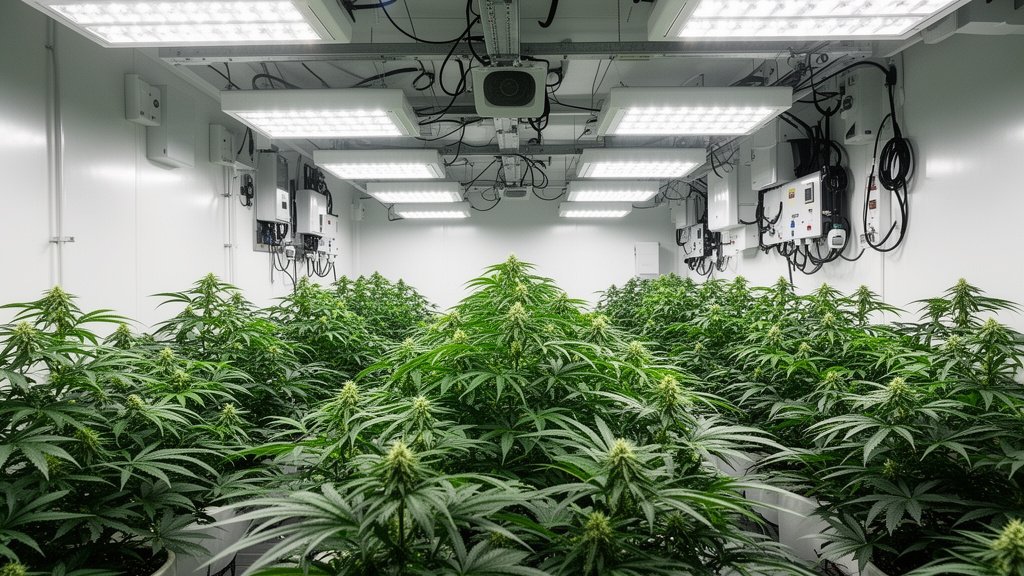
The cannabis industry is poised for significant evolution in 2026, driven by shifting consumer preferences, emerging markets, and the ongoing debate surrounding federal legalization in the United States. Stakeholders are bracing for a landscape shaped by increased competition, evolving product innovation, and a complex regulatory environment.
Key Highlights:
- Expansion into new product categories beyond traditional flower and edibles.
- Increased focus on international markets and export opportunities.
- Potential for significant M&A activity as larger corporations enter the space.
- Evolving consumer demand for wellness-focused and functional cannabis products.
Cannabis Market Dynamics in 2026
The year 2026 is anticipated to be a pivotal moment for the global cannabis industry. As more jurisdictions move towards decriminalization or legalization, the market is expected to expand, but not without its challenges. Increased competition from both established players and new entrants will necessitate strategic adaptation. Companies that can innovate in product development, optimize supply chains, and navigate the intricate regulatory frameworks will be best positioned for success. The rise of wellness culture is also influencing cannabis consumption, with a growing demand for products that offer specific benefits, such as stress relief, improved sleep, or enhanced focus. This trend is driving research and development into novel formulations, including tinctures, topicals, and beverages infused with cannabinoids and terpenes.
Regulatory Crossroads and Federal Impact
A significant factor influencing the 2026 outlook is the ongoing progression of cannabis policy. While many US states have legalized cannabis for medical and/or recreational use, the lack of federal decriminalization continues to create banking, tax, and interstate commerce hurdles. Any movement towards federal reform could dramatically reshape the industry, potentially leading to greater investment, more standardized practices, and a more unified national market. International markets are also becoming increasingly important, with countries in Europe and elsewhere exploring or expanding their legal cannabis programs. This opens up new avenues for export and collaboration, but also introduces a new layer of complexity in understanding diverse regulatory landscapes. The interplay between state-level regulations, potential federal changes, and international policies will be a critical area to monitor.
Innovation and Consumer-Centric Growth
The cannabis industry’s growth in 2026 will be intrinsically linked to its ability to innovate and cater to evolving consumer demands. Beyond traditional product formats, there is a burgeoning interest in advanced consumption methods and personalized product experiences. This includes the development of precision-dosed products, nanotechnology for faster absorption, and even AI-driven recommendations for consumers. The focus is shifting from simply recreational use to a more integrated approach within wellness routines. Furthermore, sustainability in cultivation and packaging is becoming a key differentiator for environmentally conscious consumers. Companies are exploring eco-friendly farming practices and biodegradable materials to appeal to this growing segment. The data analytics landscape within the cannabis industry is also maturing, providing insights into consumer behavior that can drive targeted product development and marketing strategies. Organizations like the Cannabis Research Foundation and NCIA (National Cannabis Industry Association) are crucial in shaping best practices and advocating for industry growth.
Economic Landscape and Investment Outlook
Economically, 2026 is expected to see continued investment, albeit with a more discerning eye from venture capitalists and institutional investors. The market’s maturity will likely lead to a consolidation phase, where mergers and acquisitions become more common as larger, well-capitalized companies seek to expand their market share and diversify their portfolios. Startups focusing on ancillary services, such as supply chain management software, advanced cultivation technology, or specialized marketing platforms, may also attract significant attention. The profitability of cannabis operations will increasingly depend on operational efficiency, cost management, and the ability to achieve economies of scale. Understanding the economic impact of cannabis legalization on local economies, job creation, and tax revenue will remain a key area of analysis.
FAQ: People Also Ask
What are the biggest challenges facing the cannabis industry in 2026?
The biggest challenges include navigating complex and fragmented regulatory environments, securing adequate banking and financial services due to federal prohibition in some regions, intense market competition, and adapting to rapidly evolving consumer preferences and technological advancements.
How will federal legalization impact the US cannabis market?
Federal legalization in the US could lead to significant market growth, increased investment, standardization of regulations, improved access to banking and financial services, and the potential for interstate commerce, but it could also intensify competition and lead to market consolidation.
What new product trends are emerging in the cannabis market?
Emerging trends include a focus on wellness- and health-oriented products, functional beverages, advanced delivery systems (like nano-emulsions), personalized dosage options, and a growing demand for sustainable and eco-friendly product packaging.
Which international markets are showing the most promise for cannabis growth?
Promising international markets include several in Europe, such as Germany, the UK, and potentially others moving towards wider legalization, as well as established markets in Canada and emerging opportunities in parts of South America and Australia.
How is technology influencing the cannabis industry?
Technology is influencing the industry through advanced cultivation systems (e.g., AI-controlled environments), data analytics for consumer insights, blockchain for supply chain transparency, nanotechnology for improved product efficacy, and e-commerce platforms for distribution.