The global medical marijuana market is experiencing unprecedented growth, with projections indicating a surge towards and beyond $130 billion as worldwide demand accelerates. This expansion is fueled by evolving legal frameworks, increasing patient access, and a growing acceptance of cannabis-based therapies for a range of medical conditions.
Key Highlights:
- Global medical marijuana market projected to exceed $130 billion.
- Driven by increasing patient demand and evolving legal landscapes.
- Significant growth in research and development for cannabis-based treatments.
- North America and Europe are leading markets, with Asia-Pacific showing rapid expansion.
The Accelerating Trajectory of the Medical Cannabis Industry
Shifting Legal and Regulatory Landscapes
The most significant catalyst for the burgeoning medical marijuana market is the progressive shift in legal and regulatory environments across the globe. What was once considered a strictly illicit substance is now being recognized for its therapeutic potential, leading to decriminalization, legalization for medical use, and in some regions, recreational use. This evolving legal status has opened the floodgates for both patient access and industry investment. Governments are increasingly establishing regulatory frameworks that allow for the cultivation, processing, distribution, and sale of medical cannabis products. These regulations, while complex, are crucial for ensuring product safety, quality control, and responsible market development. The World Health Organization (WHO) has also played a role, with its recommendations to reschedule cannabis under the UN Convention on Drugs, acknowledging its medical value and potential for abuse reduction.
Growing Patient Adoption and Therapeutic Applications
Patients are increasingly turning to medical cannabis as a viable treatment option for a spectrum of conditions. Chronic pain, epilepsy, multiple sclerosis, nausea associated with chemotherapy, and certain mental health disorders are among the primary ailments for which cannabis-based therapies are being prescribed. The appeal lies in cannabis’s potential to offer relief with fewer severe side effects compared to traditional pharmaceuticals. Cannabinoids like THC (tetrahydrocannabinol) and CBD (cannabidiol) interact with the body’s endocannabinoid system, which plays a role in regulating pain, mood, sleep, and appetite. Research is continually uncovering new therapeutic avenues, further broadening the patient base. For instance, CBD is gaining traction for its anti-inflammatory and anxiolytic properties, while THC is recognized for its pain-relieving and anti-emetic effects. The personalized nature of cannabis treatment, allowing for adjustments in cannabinoid ratios and dosages, also resonates with patients seeking tailored relief.
Investment and Innovation in the Cannabis Sector
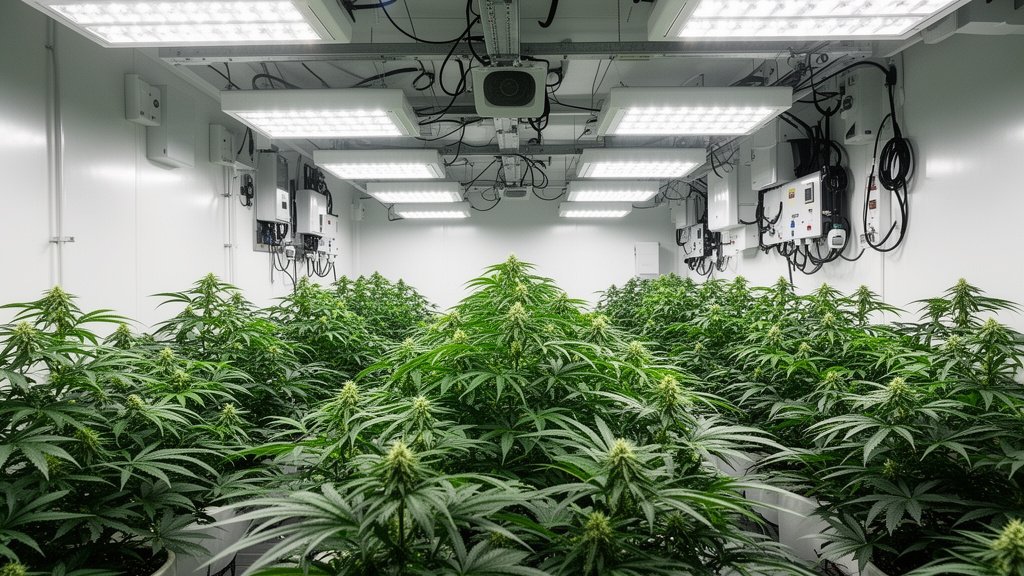
The economic implications of this market surge are profound, attracting substantial investment from venture capitalists, private equity firms, and established corporations. This influx of capital is fueling innovation across the entire value chain, from agricultural technology for optimized cultivation to advancements in pharmaceutical-grade extraction and product development. Companies are investing heavily in research and development to identify new compounds, enhance delivery methods (such as edibles, tinctures, topicals, and inhalables), and conduct rigorous clinical trials to solidify the efficacy and safety of cannabis-based medicines. Innovations in cultivation, including controlled environment agriculture (CEA) and vertical farming, are enhancing yield, consistency, and sustainability. Furthermore, advancements in analytical testing and quality assurance are building consumer confidence and meeting stringent regulatory requirements.
Global Market Dynamics and Regional Trends
North America, particularly the United States and Canada, currently dominates the global medical marijuana market. The U.S. has seen a patchwork of state-level legalization, creating a complex but rapidly growing market. Canada’s federal legalization of both medical and recreational cannabis set a precedent and fostered a robust industry. Europe is emerging as the next major growth frontier, with countries like Germany, the UK, and Italy implementing or expanding medical cannabis programs. The Asia-Pacific region, though historically more restrictive, is showing increasing interest and early signs of market development. As more countries embrace the therapeutic potential of cannabis, the global reach of this industry is set to expand significantly, creating opportunities for international trade and collaboration.
Future Outlook and Challenges Ahead
Looking ahead, the medical marijuana market is poised for continued exponential growth. However, challenges remain. Harmonizing international regulations, addressing banking and financial service restrictions in regions where cannabis remains federally illegal, and combating the illicit market are critical hurdles. Continued scientific research is essential to fully understand the long-term effects and optimal uses of cannabinoids. Public perception and education also play a vital role in ensuring responsible integration of medical cannabis into healthcare systems. Despite these challenges, the trajectory is overwhelmingly positive, with experts predicting sustained high growth rates for the foreseeable future.
FAQ: People Also Ask
What are the primary medical conditions treated by marijuana?
Medical marijuana is primarily used to manage symptoms associated with chronic pain, nausea and vomiting from chemotherapy, multiple sclerosis-related spasticity, epilepsy, and certain types of glaucoma. Research is ongoing for its use in conditions like anxiety, PTSD, and inflammatory bowel disease.
How is medical marijuana regulated globally?
Regulation varies significantly by country and region. Some have fully legalized medical use with comprehensive oversight for cultivation, distribution, and prescription. Others have more restrictive policies, often limiting access to specific cannabinoid ratios (like high CBD, low THC) or particular medical conditions. International bodies like the WHO provide recommendations, but national governments make the final decisions on regulatory frameworks.
What are the economic benefits of a legal medical marijuana market?
A legal medical marijuana market generates significant economic benefits through tax revenue, job creation in cultivation, processing, distribution, and retail, as well as attracting investment in research and development. It also allows for better control and taxation of a product that may otherwise be part of an unregulated black market.
Is medical marijuana different from recreational marijuana?
While both originate from the cannabis plant, medical marijuana is typically regulated for purity, potency, and consistent cannabinoid profiles (THC and CBD ratios) and is recommended by a healthcare professional for specific medical conditions. Recreational marijuana is regulated for safety and tax purposes but is not prescribed for medical use.
What are the key cannabinoids in medical marijuana and their effects?
The most well-known cannabinoids are THC (tetrahydrocannabinol) and CBD (cannabidiol). THC is psychoactive and known for its pain-relieving, appetite-stimulating, and anti-nausea effects. CBD is non-psychoactive and is recognized for its potential anti-inflammatory, anti-anxiety, and anti-seizure properties. Other minor cannabinoids and terpenes also contribute to the overall therapeutic effects through the ‘entourage effect’.