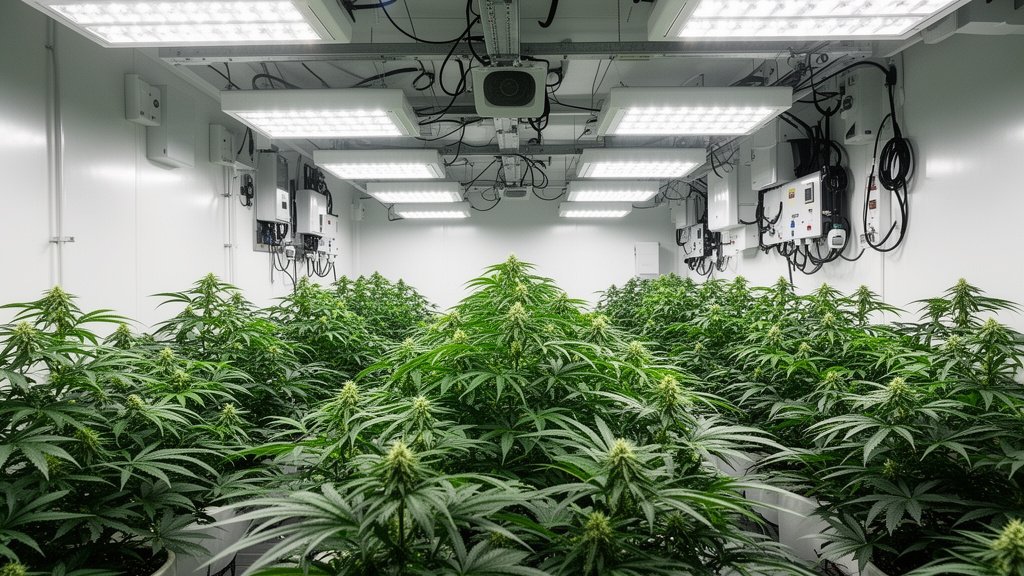
Georgia has officially become the 41st state to enact comprehensive medical cannabis legislation, marking a significant milestone in the state’s approach to patient care and drug policy.
Key Highlights:
- Patients with qualifying conditions can now access low-THC cannabis oil.
- A state-regulated dispensary system will be established.
- Strict regulations govern production, distribution, and patient registration.
- The law aims to provide relief for patients suffering from severe conditions like cancer, ALS, and Parkinson’s.
A New Era for Georgia Patients
The passage of House Bill 1, officially titled the Georgia’s Hope Act, ushers in a new era for patients in the Peach State who have long sought access to medical cannabis for debilitating conditions. This legislation, after years of debate and advocacy, finally provides a legal framework for the treatment of numerous qualifying medical conditions, including cancer, multiple sclerosis, seizures, Parkinson’s disease, and ALS, among others.
The Road to Legalization
The journey to this legislative victory was arduous, marked by numerous attempts and fierce debates. Proponents argued that denying access to medical cannabis was unethical and prevented patients from obtaining relief from chronic pain and other severe symptoms. Opponents, however, raised concerns about potential abuse and the drug’s efficacy. The final bill represents a compromise, focusing on low-THC oil and establishing a tightly controlled system to ensure patient safety and regulatory oversight.
Regulatory Framework and Patient Access
The new law establishes a robust regulatory framework overseen by the Georgia Access to Medical Cannabis Commission. This commission is tasked with licensing and regulating cannabis oil producers, dispensaries, and treatment centers. Patients must obtain a low-THC oil registry card from the Georgia Department of Public Health, which requires a physician’s certification of a qualifying condition. The state will issue a limited number of licenses for dispensaries and cultivation facilities, ensuring a controlled supply chain. This methodical approach aims to prevent the pitfalls experienced by some other states and to ensure the program’s integrity from its inception.
Economic and Social Implications
Beyond patient care, the legalization of medical cannabis is expected to have significant economic implications for Georgia. The establishment of cultivation sites and dispensaries will create new jobs and stimulate economic activity within the state. Furthermore, proponents believe that this reform will reduce the burden on the criminal justice system by redirecting resources away from low-level cannabis offenses. The social impact is also noteworthy, as it signifies a shift in public perception and policy towards a more compassionate and evidence-based approach to healthcare.
FAQ: People Also Ask
What conditions qualify for medical cannabis in Georgia?
Qualifying conditions include cancer, seizure disorders, MS, ALS, Crohn’s disease, mitochondrial disease, Parkinson’s disease, and terminal illnesses with a life expectancy of six months or less.
How can I get a medical cannabis card in Georgia?
To obtain a low-THC oil registry card, patients must have a qualifying condition certified by a physician registered with the Georgia Department of Public Health.
When will dispensaries open in Georgia?
Dispensaries are expected to begin opening in the first half of 2024, following the licensing and regulatory processes managed by the Georgia Access to Medical Cannabis Commission.
Is Georgia joining other states in medical cannabis legalization?
Yes, Georgia becomes the 41st state in the U.S. to enact a comprehensive medical cannabis law, joining a growing number of states that recognize the therapeutic benefits of cannabis.
What is the THC limit for medical cannabis oil in Georgia?
The law permits medical cannabis oil with a THC concentration of no more than 5%.