The landscape of medical cannabis is rapidly evolving, necessitating enhanced clinical understanding among healthcare professionals. In response to this growing need, particularly with recent discussions around federal rescheduling, TheAnswerPage.com has launched a comprehensive Continuing Medical Education (CME) and Continuing Education (CE) course. This initiative aims to equip clinicians with the latest evidence-based information, best practices, and regulatory updates essential for safely and effectively integrating cannabis into patient care.
Key Highlights:
- TheAnswerPage.com introduces a new CME/CE course focused on medical cannabis.
- The course addresses the increasing need for clinician education amid evolving cannabis policies.
- It aims to provide evidence-based information and practical guidance for patient care.
- The launch signifies a commitment to professional development in a rapidly changing medical field.
Advancing Clinician Competency in Medical Cannabis
The recent shifts in federal policy discussions surrounding cannabis rescheduling underscore a critical gap in medical education. As the scientific understanding and therapeutic applications of medical cannabis continue to expand, healthcare providers require standardized, reliable, and up-to-date training to navigate this complex domain. TheAnswerPage.com’s new CME/CE course is designed to bridge this gap, offering a structured curriculum that covers the pharmacological properties of cannabinoids, their potential therapeutic uses, patient selection criteria, dosage considerations, potential side effects and drug interactions, and the legal and ethical frameworks governing their prescription.
The Imperative for Education in a Shifting Regulatory Environment
Federal and state-level policy changes, including the potential rescheduling of cannabis from Schedule I, create an urgent demand for clear, evidence-based educational resources. Clinicians often face challenges in differentiating between recreational and medicinal use, understanding the endocannabinoid system, and interpreting the vast and sometimes conflicting research on cannabis. This course provides a much-needed anchor, grounding clinical decision-making in scientific evidence rather than anecdotal reports or outdated regulations. TheAnswerPage.com leverages its expertise in online medical education to deliver this content in an accessible and engaging format, allowing healthcare professionals to complete the training at their own pace.
Core Curriculum and Learning Objectives
The course curriculum is meticulously developed by a multidisciplinary team of experts in pharmacology, medicine, and medical cannabis research. Key learning objectives include:
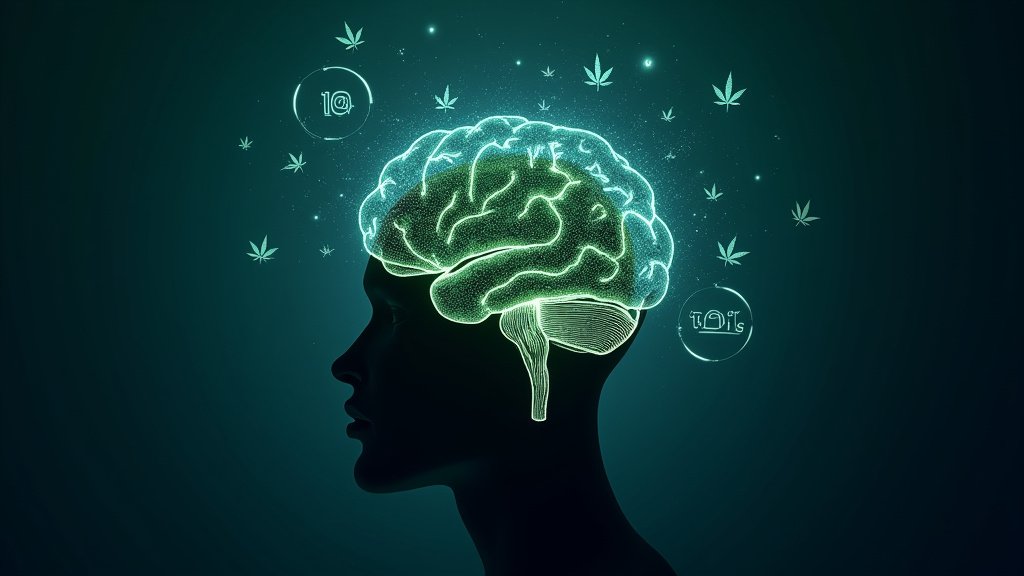
- Understanding the endocannabinoid system and the mechanisms of action of cannabinoids like THC and CBD.
- Evaluating the current scientific literature on the efficacy and safety of medical cannabis for various conditions, such as chronic pain, epilepsy, multiple sclerosis, and chemotherapy-induced nausea.
- Developing skills in patient assessment for medical cannabis therapy, including identifying contraindications and potential risks.
- Learning about appropriate dosing strategies, routes of administration, and managing potential adverse effects.
- Navigating the legal and regulatory landscape of medical cannabis, including state-specific laws and federal guidelines.
- Recognizing the importance of patient counseling and follow-up care.
The Role of Continuing Education in Patient Safety
Ensuring patient safety is paramount. Without adequate education, clinicians may be hesitant to prescribe medical cannabis, or worse, may do so without a full understanding of the risks and benefits, potentially leading to suboptimal patient outcomes or adverse events. The availability of accredited CME/CE courses is crucial for establishing a baseline of knowledge and promoting best practices. TheAnswerPage.com’s commitment to providing high-quality, evidence-based education helps to foster a more informed and confident medical community, ultimately benefiting the patients seeking relief through medical cannabis therapies.
Integrating Medical Cannabis into Clinical Practice
This educational initiative goes beyond theoretical knowledge. It aims to provide practical tools and frameworks that clinicians can directly apply to their practice. This includes guidance on how to discuss medical cannabis with patients, how to document its use, and how to monitor treatment efficacy and safety. By demystifying medical cannabis, TheAnswerPage.com is helping to normalize its discussion and consideration within mainstream medicine, positioning it as another therapeutic option to be evaluated on a case-by-case basis according to established clinical principles.
FAQ: People Also Ask
What is rescheduling in the context of cannabis?
Rescheduling refers to the process by which a controlled substance is moved from one schedule to another under the Controlled Substances Act. Currently, cannabis is a Schedule I drug, indicating a high potential for abuse and no accepted medical use. Discussions around rescheduling, potentially to Schedule III or lower, would acknowledge its accepted medical uses and lower potential for abuse, which could significantly impact research, accessibility, and clinical practice.
Why is clinician education for medical cannabis so important right now?
With evolving legal frameworks and increasing patient interest, clinicians need up-to-date, evidence-based information to guide their practice safely and effectively. Education ensures they can differentiate between medical and recreational use, understand the endocannabinoid system, evaluate research, manage potential side effects, and comply with regulations, ultimately protecting patient well-being.
What does CME/CE credit mean for healthcare professionals?
CME (Continuing Medical Education) and CE (Continuing Education) credits are units awarded for completing approved educational activities. These credits are often required for healthcare professionals to maintain their licenses and certifications, ensuring they stay current with advancements and best practices in their respective fields.
How does medical cannabis differ from recreational cannabis?
Medical cannabis is used under the guidance of a healthcare professional to treat specific health conditions, with a focus on therapeutic benefits and managing potential side effects. Recreational cannabis is used for personal enjoyment without medical supervision. Dosing, cannabinoid ratios (e.g., THC to CBD), and routes of administration may differ significantly between medical and recreational use.
Where can I find reliable information on medical cannabis research?
Reliable sources include peer-reviewed scientific journals (e.g., Journal of Clinical Pharmacology, Cannabis and Cannabinoid Research), reputable medical organizations’ publications, government health agencies (like the NIH or FDA, when applicable), and accredited CME/CE courses from trusted providers like TheAnswerPage.com, which synthesize current research into practical clinical guidance.