In today’s fast-paced world, finding moments of peace can feel like a luxury. Fortunately, many are discovering that cannabis, when used responsibly, can be a powerful tool for managing stress and promoting a sense of calm.
- Cannabis offers potential anxiolytic effects, aiding in stress reduction.
- Different strains and consumption methods cater to individual needs.
- Responsible use is key to harnessing its therapeutic benefits.
- Consulting with a healthcare professional can provide personalized guidance.
The Science of Cannabis and Calm
Understanding the Endocannabinoid System
Cannabis interacts with the body’s endocannabinoid system (ECS), a complex network of receptors and neurotransmitters that plays a crucial role in regulating mood, sleep, appetite, and stress response. The primary compounds in cannabis, cannabinoids like THC and CBD, bind to these receptors, influencing the ECS and potentially inducing feelings of relaxation and well-being. For instance, CBD is widely recognized for its non-intoxicating anxiolytic properties, helping to mitigate feelings of anxiety without the psychoactive effects associated with THC.
Strain Selection for Stress Relief
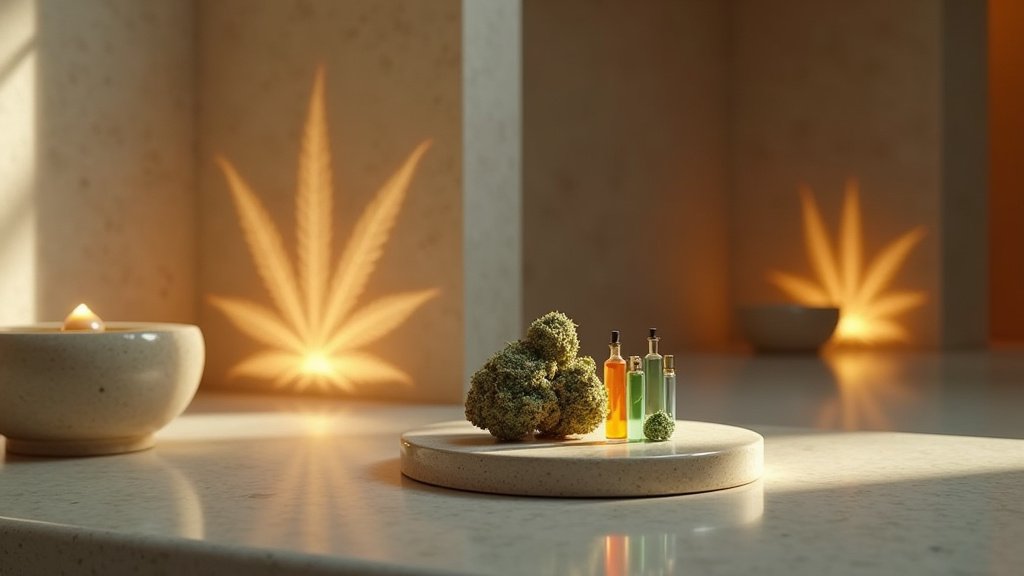
The diverse world of cannabis offers a spectrum of options tailored to specific needs. Indica strains are often associated with more sedative, body-focused effects, making them a popular choice for unwinding and combating insomnia. Sativa strains, conversely, are typically more uplifting and energizing, which can be beneficial for combating stress-related fatigue and improving mood. Hybrid strains offer a balance of both, allowing for customized effects. Terpene profiles also play a significant role; for example, limonene, found in citrus-heavy strains, is often linked to mood elevation, while myrcene, common in many indicas, contributes to relaxation.
Consumption Methods and Onset
The method of cannabis consumption significantly impacts the onset and duration of its effects. Inhalation, through smoking or vaping, provides rapid relief, with effects typically felt within minutes. Edibles, on the other hand, have a much slower onset, often taking 30 minutes to two hours to take effect, but their effects are generally longer-lasting and more intense. Tinctures and sublinguals offer a middle ground, with effects usually manifesting within 15-45 minutes. Choosing the right method depends on the desired speed of relief and the duration of effect needed for stress management.
The Importance of Responsible Use
While cannabis can offer significant benefits for stress relief, responsible consumption is paramount. This includes understanding dosage, being aware of one’s own tolerance, and avoiding use in situations where impairment could be dangerous. Overconsumption can lead to anxiety, paranoia, and other unwanted side effects, negating the intended calming effects. Starting with a low dose and gradually increasing it as needed is a widely recommended practice, particularly for novice users or those trying a new product.
FAQ: People Also Ask
Can cannabis help with anxiety?
Yes, many people find that certain cannabis strains, particularly those high in CBD, can help alleviate anxiety symptoms. CBD is known for its anxiolytic properties. However, THC can exacerbate anxiety in some individuals, so careful strain selection and dosage are important.
What is the best way to use cannabis for relaxation?
For rapid relaxation, inhalation (vaping or smoking) is effective. For longer-lasting relaxation, edibles can be used, but with caution due to their delayed onset and potent effects. Tinctures offer a balance between the two.
Are there side effects to using cannabis for stress?
Potential side effects include dry mouth, red eyes, increased heart rate, and in some cases, anxiety or paranoia, especially with high THC doses or overconsumption. It’s crucial to use cannabis responsibly and be aware of your personal tolerance.
How does cannabis affect sleep?
Certain cannabis strains, particularly indicas, are often used to improve sleep quality by promoting relaxation and reducing anxiety, which can interfere with sleep. However, the effect can vary depending on the individual and the specific strain used.
Where can I learn more about cannabis and its effects?
Reputable sources include government health organizations, academic research institutions, and licensed dispensaries that provide information on product effects and responsible use. Consulting with a healthcare professional is also recommended for personalized advice.