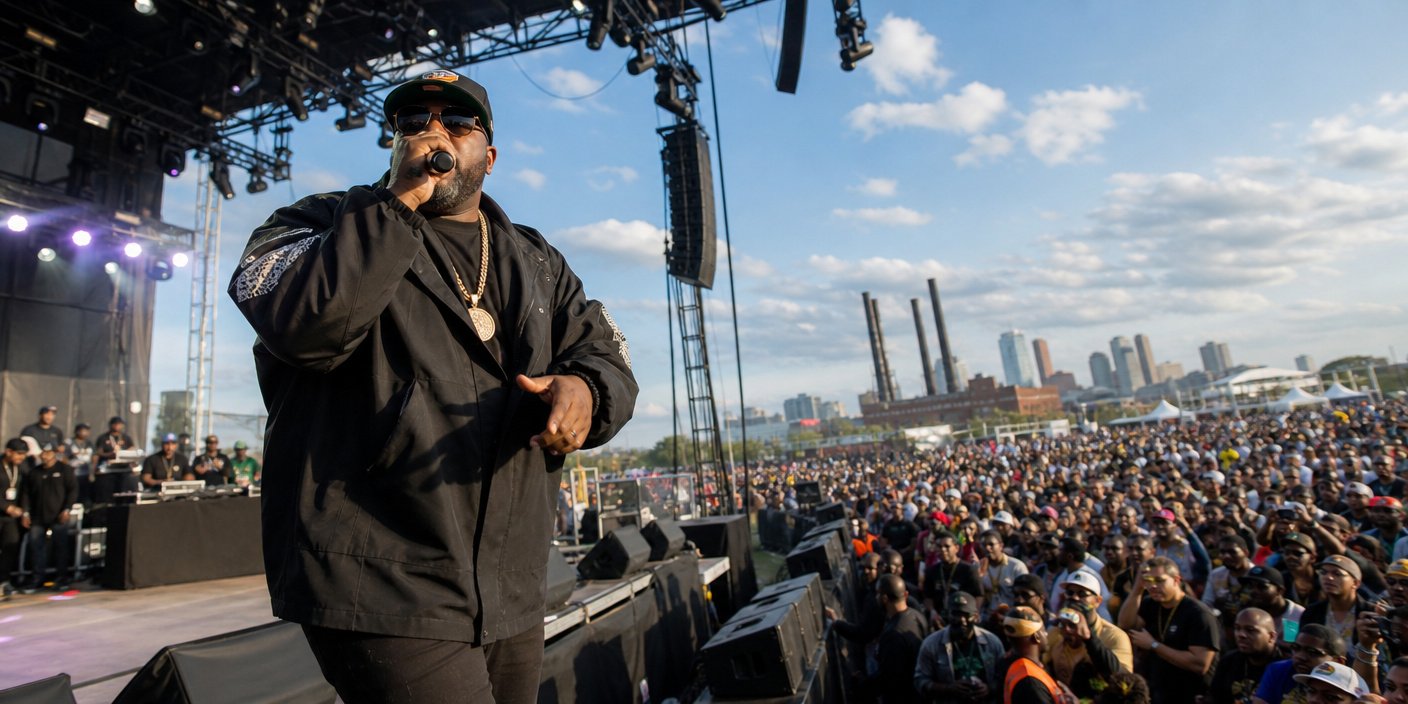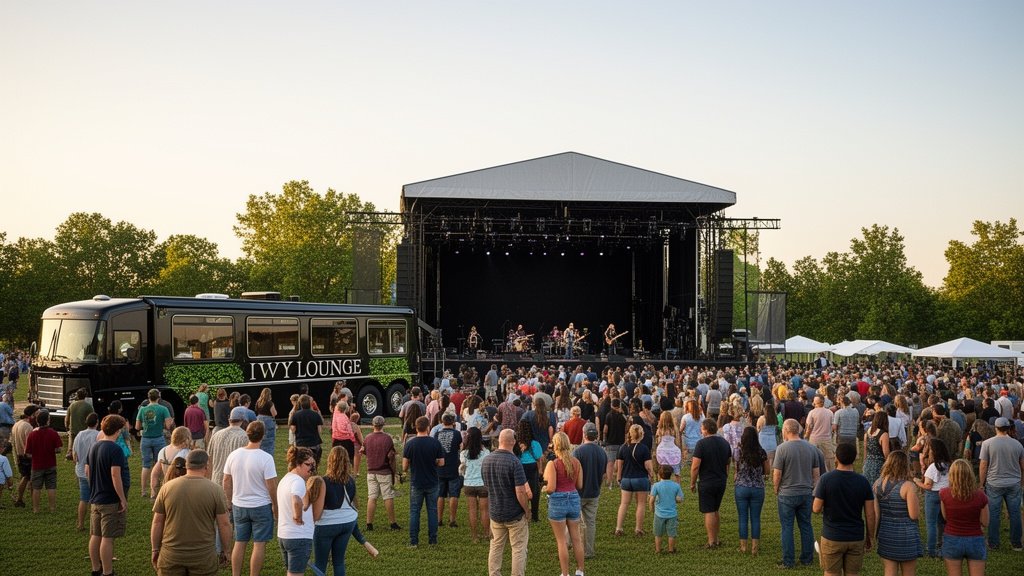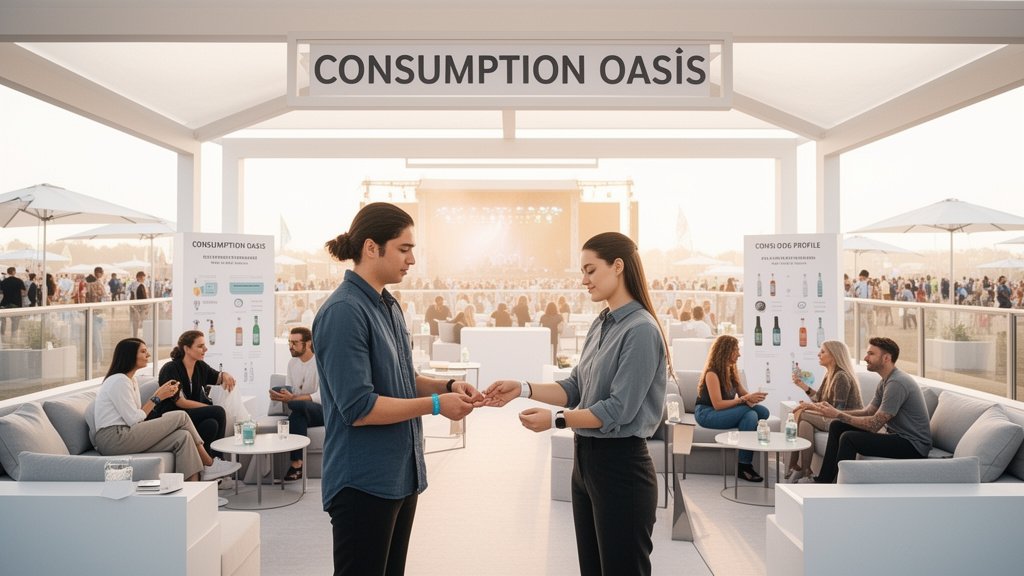
By the dawn of 2026, the cannabis industry has shed its counter-cultural exterior, emerging as a central pillar of the modern entertainment and festival ecosystem. No longer relegated to illicit parking lot transactions or hidden corners, cannabis consumption has been seamlessly woven into the fabric of major music festivals and social gatherings, signaling a maturation of the market that industry analysts have been predicting for nearly a decade. This shift, driven by widespread regulatory acceptance and changing consumer demographics, has transformed how brands engage with audiences, moving from mere product distribution to experiential, community-centric hospitality.
Key Highlights
- Integration Metrics: 2026 data indicates that over 45% of major music festivals in legal jurisdictions now feature designated, regulated cannabis consumption lounges.
- Economic Impact: The ‘Canna-Festival’ economy is projected to contribute an additional $2.2 billion to the sector in 2026 alone, driven by premium, age-gated VIP hospitality zones.
- Demographic Shift: Gen Z and Millennial attendees are prioritizing social consumption over traditional alcohol-based events, citing ‘mindful’ experiences as a key driver for event selection.
- Regulatory Maturity: State-level oversight has evolved into a ‘permit-on-demand’ model, allowing for safe, verified, and standardized festival operations.
The Evolution of the Canna-Festival Ecosystem
The transformation of cannabis culture is most visible in the rapid professionalization of event spaces. In the early 2020s, the conversation was dominated by the binary of prohibition versus legality. By 2026, the focus has shifted entirely to ‘Integration and Hospitality.’ The National Cannabis Industry Association (NCIA) reports that the integration of cannabis into the broader festival circuit is not just a trend but a fundamental redesign of the event experience.
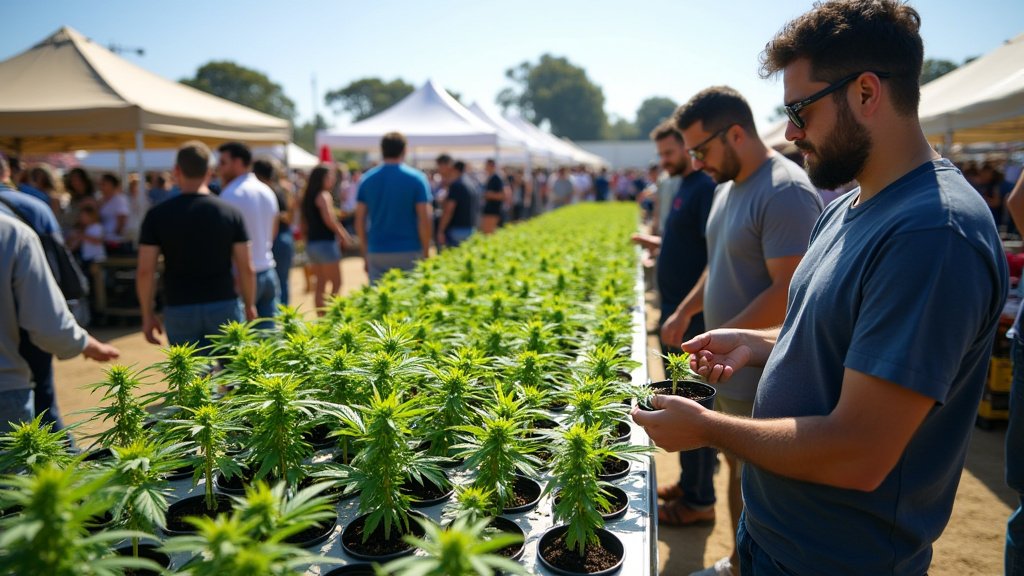
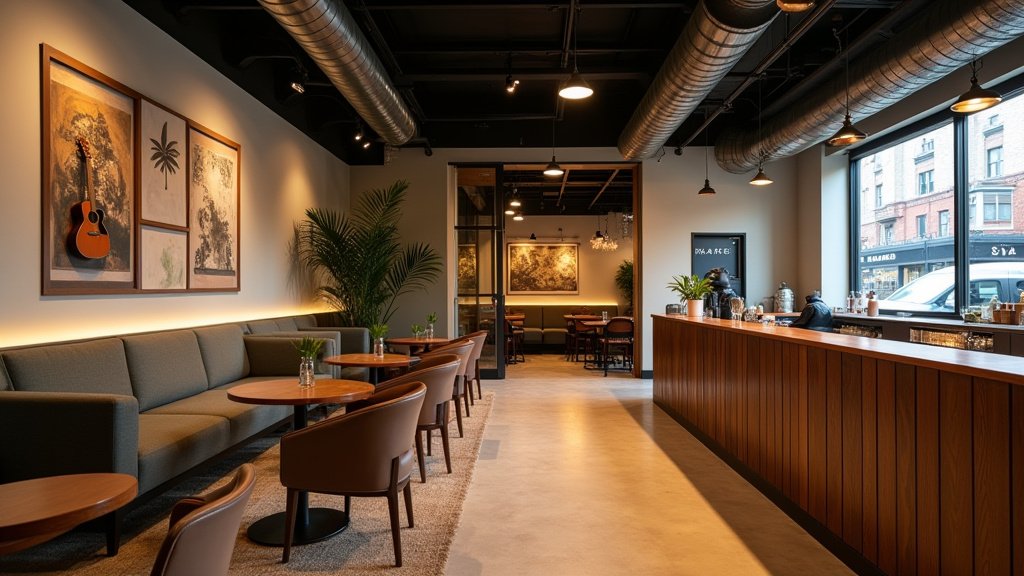
Modern festival organizers are partnering with licensed cannabis retailers to create ‘Consumption Oasis’ zones. These are not merely stalls; they are fully realized architectural spaces that offer airflow management, product verification stations, and educational resources about strain profiles and terpene education. This structural shift has effectively neutralized the safety concerns that plagued earlier attempts at integration. By treating cannabis with the same logistical rigor as alcohol service—utilizing wristband-based age verification and strict on-site security—festivals have successfully mitigated risks while maximizing consumer engagement.
The Economics of the ‘High-End’ Experience
Market analysts at the Brightfield Group suggest that this cultural shift is being underpinned by a significant reallocation of consumer spending power. The average attendee at a 2026 music festival is spending 30% more on-site than they did in 2023, specifically within cannabis-friendly hospitality zones. This expenditure is concentrated in ‘premium’ products: solventless concentrates, terpene-rich live resins, and luxury hardware, rather than bulk flower. Brands are responding by launching exclusive, festival-only product lines, creating a sense of scarcity and status that drives further engagement. This is no longer just about the effect of the product; it is about the curated, high-end experience associated with consuming it in a shared, social environment.
Tech-Driven Access and Compliance
Technology plays a silent but essential role in this 2026 landscape. Advanced age-verification software, which scans government-issued IDs and cross-references them with biometric data at entry points, has streamlined the process, reducing bottlenecks at lounge entrances. Blockchain-based supply chain transparency, which allows consumers to scan a QR code on packaging to see the cultivation history, testing results, and terpene profile of their chosen product, has become the industry standard. This transparency has been the deciding factor in gaining municipal and insurance approval for these events, turning what was once a liability into a verifiable asset.
Secondary Angles: A Deeper Look at 2026 Trends
1. Environmental Stewardship: The rise of sustainable packaging in the festival sector has pushed companies to adopt biodegradable, hemp-based containers. With the pressure of 2026 environmental standards, the industry is moving away from the excessive plastic waste that characterized early retail, aligning with the values of the festival-going demographic.
2. The End of Alcohol Dominance: Public health data from the past 18 months suggests a measurable ‘substitution effect.’ In regions where festival consumption is legal, alcohol-related medical incidents have dropped by 18%, as attendees swap heavier substances for precisely dosed, lower-potency cannabis options, reflecting a broader cultural ‘wellness’ pivot.
3. Local Economic Localism: Festivals are increasingly required to partner with local, small-batch cultivators rather than national conglomerates. This mandate has reinvigorated regional economies, ensuring that the tax revenue generated from festival-goers stays within the host municipality, thereby buying political goodwill and securing long-term permits.
FAQ: People Also Ask
Q: Are these festival consumption lounges legal in all states?
A: No. These operations are strictly limited to states and municipalities that have legalized adult-use cannabis and possess specific regulatory frameworks for ‘temporary event permits.’ Always check local festival ordinances before attending.
Q: How do festivals manage consumption limits?
A: In 2026, most lounges utilize a strictly capped purchase-per-person system combined with ‘slow-drip’ education, where ‘budtenders’ provide dosing guidance, preventing over-consumption and ensuring safety for all attendees.
Q: Does this replace the traditional concert experience?
A: Not exactly. It enhances it by providing a social, dedicated environment for those who choose to consume, effectively segregating cannabis use from the general audience while still keeping the community together in a festival setting.
Q: How are these events handling underage access?
A: Security is paramount. Dedicated cannabis zones are gated, high-security areas requiring secondary age verification. Access is strictly 21+, and these zones are monitored by both private security and, in some jurisdictions, state regulatory agents.