The cannabis industry is undergoing a seismic shift in 2026. For years, the market was driven by a single, often misleading metric: the THC percentage printed on the packaging. However, as the sophistication of the average consumer has grown, the retail landscape has pivoted. Today, the most successful brands and dispensaries are those that prioritize the complex interplay of terpene profiles and cannabinoid content over raw potency. This evolution marks a departure from commodity-grade flower toward a culinary-like appreciation of genetic heritage and aromatic nuance.
Key Highlights
- Terpene Dominance: In 2026, the industry standard has shifted from “Highest THC” to “Most Complex Terpene Profile,” as consumers seek the entourage effect rather than sheer intoxication.
- The Return of Classics: While modern breeders experiment with new crossbreeds, legacy strains like Blue Dream remain perennial favorites due to their consistent, reliable effects.
- Sophisticated Retail: Dispensaries are now utilizing data-driven inventory management, focusing on consumer-reported wellness outcomes rather than just strain potency.
- Quality Over Quantity: The premium cannabis market is seeing a 20% year-over-year increase in sales for boutique, small-batch cultivars, signaling a rejection of “race-to-the-bottom” bulk pricing.
The Evolution of the Hybrid: A 2026 Market Analysis
The landscape of the cannabis market in 2026 is defined by maturation. No longer satisfied with the “brute force” approach of early legalization eras, consumers are becoming amateur chemists, scouting for specific limonene, myrcene, and caryophyllene profiles to tailor their experience. This shift has forced cultivators to rethink their breeding programs, moving away from hyper-focused THC selection—which often resulted in flavorless, harsh flower—toward a more balanced, therapeutic approach.
The Shift: Terpene Profiles vs. THC Inflation
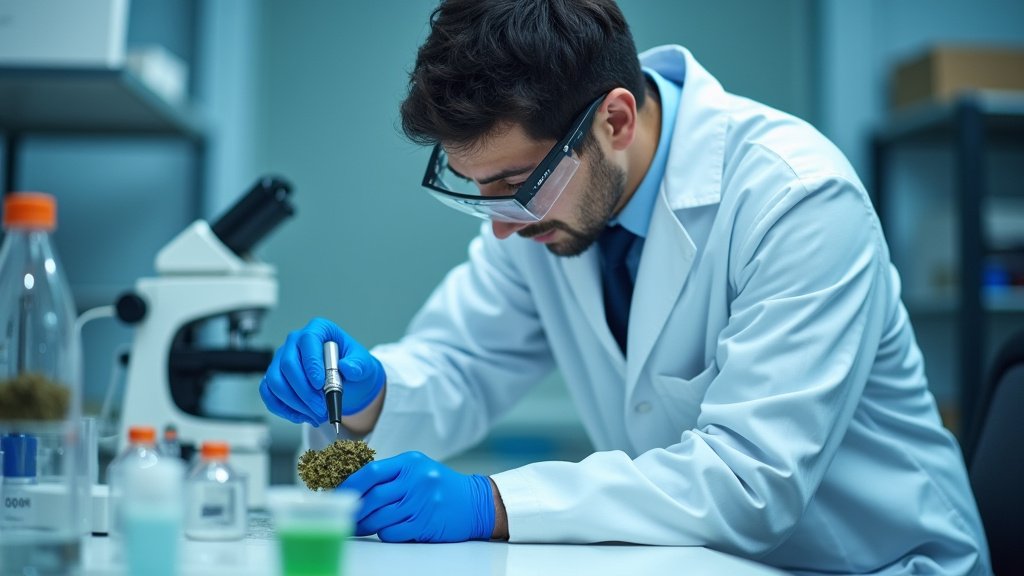
For nearly a decade, “THC Inflation” plagued the market. Breeders and processors were incentivized to manipulate growing environments and drying processes to push numbers into the high 30th percentiles, often at the expense of vital secondary cannabinoids and essential oils. By mid-2026, however, the industry reached a tipping point. Independent testing laboratories and consumer advocacy groups have successfully educated the public: a 22% THC strain with a rich, 3% terpene concentration often provides a superior, more functional, and longer-lasting experience than a 32% strain with zero aroma or flavor depth.
Genetic Elite: The 15 Must-Try Hybrids of 2026
To navigate the current dispensary menus, we have curated a list of the 15 strains that define the “Gold Standard” for 2026. These selections are based on genetic stability, terpene richness, and sustained market performance:
1. Blue Dream: The absolute gold standard for balance. Its reliable, uplifting, yet soothing effects make it the perennial benchmark.
2. Zoap: A 2026 favorite. Known for its intense, soap-like citrus profile and deeply relaxing physical properties.
3. Runtz: Continues to dominate for its dessert-like aroma and balanced “middle-of-the-road” energy.
4. Gelato 41: Highly coveted for its creamy, berry-forward profile and potent euphoric kick.
5. Wedding Cake: Still ruling the evening market with its vanilla and earthy notes.
6. Animal Mints: A staple for those seeking high-intensity cerebral effects paired with a sweet, minty finish.
7. GMO Cookies: Represents the “funk” movement; incredibly high in caryophyllene, making it a favorite for physical relief.
8. MAC 1 (Miracle Alien Cookies): The ultimate “bag appeal” strain, offering a perfect 50/50 split of indica and sativa characteristics.
9. Gorilla Glue #4: Despite being an “older” strain, it remains in the top 15 for its unrivaled potency and resin production.
10. Sour Diesel: The 2026 resurgence of the classic “fuel” terpene profile has put this back on the map for daytime users.
11. Sunset Sherbert: Renowned for its complex profile, ranging from skunky citrus to sweet berry.
12. Biscotti: A high-end luxury strain with a cookie-like aroma that commands premium pricing.
13. Jet Fuel Gelato: The “connoisseur’s choice,” combining the sharp energy of diesel with the smooth finish of gelato.
14. Super Lemon Haze: The definitive choice for those seeking energy and creativity without the “crash” of heavy indicas.
15. Mimosa: The top “breakfast” strain of the year, offering citrus-dominant terpenes that wake up the senses.
The Economics of Terpene-Forward Retail
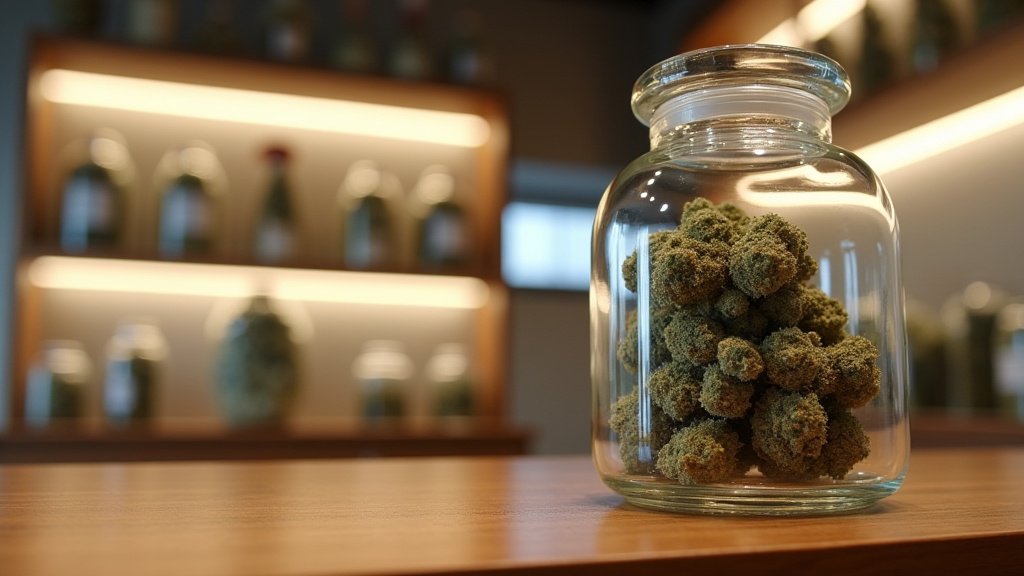
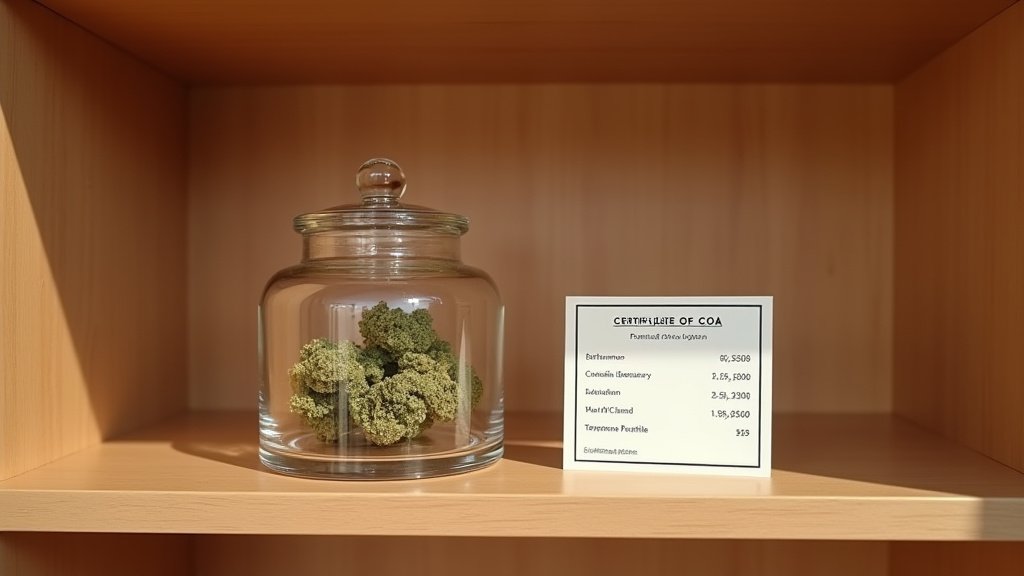
This shift isn’t just aesthetic; it’s economic. In 2026, we are observing a significant “premiumization” trend. Growers who focus on artisanal techniques—such as living soil cultivation and careful cold-curing—are seeing their products sell out at price points 40% higher than mass-produced, high-THC budget flower. The market has realized that “premium” is defined by the depth of the plant’s expression, not the laboratory concentration of a single cannabinoid. Consequently, the dispensary ecosystem has changed. Inventory managers are now prioritizing boutique producers who provide detailed COAs (Certificates of Analysis) that highlight full-spectrum terpene data.
Future Predictions: The Rise of Personalized Cultivars
As we look beyond late 2026, the next frontier is hyper-personalization. We are seeing early pilot programs where dispensaries offer “terpene matching” services, utilizing consumer feedback data to suggest strains based on an individual’s unique endocannabinoid system response. While we aren’t quite at the stage of fully customized genetic engineering for individuals, the bridge between consumer preference and agricultural output is closer than ever. The future of cannabis is not about finding the “strongest” strain—it is about finding the strain that best facilitates the specific experience a consumer is looking to cultivate.
FAQ: People Also Ask
Q: Why is THC percentage less important in 2026?
A: THC percentage is a measure of potency, not quality. Research now shows that terpenes (aromatic compounds) and minor cannabinoids work together in an “entourage effect” to shape the experience. A lower THC strain with a robust terpene profile is often more balanced and effective than a high-THC, low-terpene strain.
Q: How do I read a dispensary menu label for quality?
A: Look for the “Terpene Total” or specific percentages of top terpenes like limonene, myrcene, and caryophyllene. A strain with a total terpene concentration above 2.0% is generally considered high-quality in the current market.
Q: Are Blue Dream and Zoap really better than newer, “exotic” strains?
A: Blue Dream is a classic because of its genetic stability, while Zoap represents the height of modern breeding. Both offer consistent, high-end experiences that newer, unstable hybrids often lack. Reliability in genetics is a key indicator of quality.
Q: What is the “entourage effect”?
A: The entourage effect is a theory suggesting that the various compounds in cannabis—THC, CBD, terpenes, and flavonoids—work together synergistically to produce a therapeutic result that is greater than the sum of its individual parts.