Kentucky’s journey toward establishing a regulated medical cannabis market reached a significant milestone this week with a ribbon-cutting ceremony at a newly operational cultivation facility in Lexington, operated by Holler Cannabis Co. However, the event was marked by a candid admission from Governor Andy Beshear, who acknowledged that the rollout of the Commonwealth’s medical cannabis program has been slower than the administration initially hoped. While the physical infrastructure is taking shape, the bureaucratic and regulatory machinery required to bring the industry to full capacity faces ongoing logistical hurdles.
Analyzing the Implementation Bottleneck
The central tension in the current Kentucky cannabis narrative is the gap between legislative intent and administrative reality. Senate Bill 47, which legalized medical cannabis, set a complex framework that requires robust oversight by the Cabinet for Health and Family Services (CHFS). Governor Beshear has consistently championed the program, yet during the tour of the Lexington site, his comments highlighted the difficulties of standing up a highly regulated industry from scratch. The primary delays stem from the meticulous nature of the licensing process, the development of a “seed-to-sale” tracking system to ensure regulatory compliance, and the establishment of strict safety standards for product testing.
Critics of the pace argue that patients suffering from chronic pain, multiple sclerosis, and other debilitating conditions are left in a state of limbo. While the infrastructure—such as the Holler Cannabis Co. facility—is ready to operate, the final bridge to the consumer relies on the operational readiness of dispensaries and the completion of administrative licensing cycles. The Governor’s office has signaled that while the January 1, 2025, target remains the critical date for full program activation, the road between now and then requires a delicate balance between speed and strict adherence to the law.
Economic Impact and Cultivator Readiness
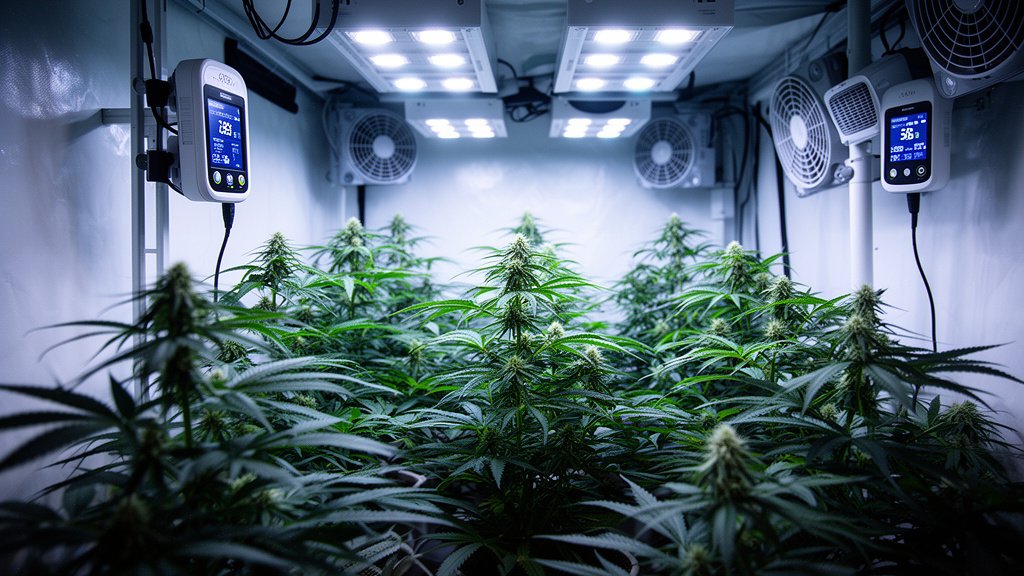
The activation of cultivation centers like the one in Lexington represents a pivot point for Kentucky’s agricultural heritage. Long known for tobacco and hemp, the state’s transition into high-tech, medical-grade cannabis cultivation represents a significant economic opportunity. These facilities are not merely farms; they are climate-controlled, high-security laboratories that require significant capital investment and technical expertise. The Holler Cannabis Co. facility exemplifies this, utilizing state-of-the-art environmental controls to ensure consistency and purity.
For local economies, the impact extends beyond the immediate employment opportunities. It creates a secondary market for specialized equipment, legal consulting, and security services. However, this sector remains in a “wait-and-see” holding pattern. Cultivators are currently in the growing and processing phase, building inventory to ensure that when the January 1, 2025, launch date arrives, there is sufficient supply to prevent immediate shortages. The economic pressure is mounting for these operators, who have invested millions without yet seeing a single dollar in retail revenue. Beshear’s acknowledgement of the slow rollout serves as a recognition of this financial pressure, validating the concerns of operators who are ready to sell but are held back by the pace of the regulatory framework.
The Regulatory Landscape and Challenges
The complexity of implementing SB 47 cannot be overstated. The Kentucky Cabinet for Health and Family Services is tasked with building a regulatory structure that is defensible against legal challenges while ensuring public safety. This includes rigorous background checks for licensees, product labeling compliance, and the integration of medical practitioner registration systems.
Furthermore, the state must navigate the intersection of state law and ongoing federal prohibition. This creates a labyrinth of banking, interstate commerce, and liability issues that require constant, cautious navigation. Governor Beshear’s remarks suggest that the administration is prioritizing a “do it right the first time” approach over a rushed, potentially flawed rollout. By taking the time to solidify the regulatory foundation, the state hopes to avoid the chaotic market instability seen in other jurisdictions that moved too quickly. However, this deliberate pace continues to be a point of friction, as stakeholders, patients, and businesses grapple with the reality of a launch that feels both inevitable and perpetually delayed.
As the state approaches the final months before the program goes fully live, all eyes remain on the CHFS to see if the administrative pace can match the physical readiness of the newly minted cultivation sites. The Lexington opening serves as both a sign of progress and a reminder of the massive regulatory undertaking still required to bring the medical cannabis market to the people of Kentucky.
FAQ: People Also Ask
When does the Kentucky medical cannabis program officially start?
While certain administrative processes and cultivation licenses have already been issued, the full medical cannabis program is set to become operational on January 1, 2025. This is the date when patients with qualifying conditions will legally be able to purchase medical cannabis from licensed dispensaries.
What conditions qualify a patient for the Kentucky program?
Senate Bill 47 outlines a specific set of qualifying medical conditions for the use of medical cannabis. These include, but are not limited to, cancer, chronic pain, epilepsy, multiple sclerosis, muscle spasms, and post-traumatic stress disorder (PTSD). Patients must have a certification from a licensed healthcare practitioner to participate.
Why has the rollout been slow?
The delay is primarily attributed to the complexity of building a brand-new, highly regulated industry. This includes the implementation of a comprehensive “seed-to-sale” tracking system, the meticulous vetting of license applicants, the establishment of safety and quality standards, and the bureaucratic requirements set forth by the Cabinet for Health and Family Services to ensure full legal compliance.