In a commanding return to the silver screen, veteran actor Luis Guzmán anchors the gritty, true-crime-inspired narrative of ‘The King of Cannabis,’ which made its nationwide theatrical debut on August 28, 2026. The film offers a visceral, unapologetic examination of the high-stakes journey undertaken by an ambitious entrepreneur navigating the volatile, rapidly evolving landscape of the cannabis industry. By blending traditional biographical drama with the tension of a legal thriller, the movie captures the specific, often harrowing, transition from illicit enterprise to regulated corporate giant, shedding light on the immense personal and financial costs of ‘going legal’ in a sector where the rules change as fast as the market grows.
Key Highlights:
- Nationwide theatrical release took place on August 28, 2026, marking a significant moment for independent film in the cannabis niche.
- Luis Guzmán delivers a career-defining performance, portraying the complexities of a protagonist balanced between visionary ambition and constant legal peril.
- The narrative serves as a deep dive into the ‘gray market’ realities of the early 21st-century cannabis boom.
- The film emphasizes the bureaucratic and regulatory hurdles that defined the rise of early cannabis entrepreneurs.
The Rise and Legal Struggle of a Modern Mogul
The Anatomy of an Independent Epic
The narrative structure of ‘The King of Cannabis’ avoids the trap of glorifying the ‘kingpin’ archetype. Instead, it meticulously charts the trajectory of a man who believes he is doing things differently—perhaps even honorably—in a world that views his product with skepticism. The film operates as an independent production, allowing for a grittier, more realistic portrayal of the day-to-day operations that are often glossed over in mainstream Hollywood adaptations of drug-trade sagas. By focusing on the infrastructure, the supply chain logistics, and the persistent threat of local law enforcement, the director creates an atmosphere of claustrophobic tension. The viewer is not just watching a man get rich; they are witnessing the slow-motion collision between a persistent entrepreneur and a legal system struggling to catch up with a cultural shift.
Luis Guzmán: Delivering Intensity and Gravitas
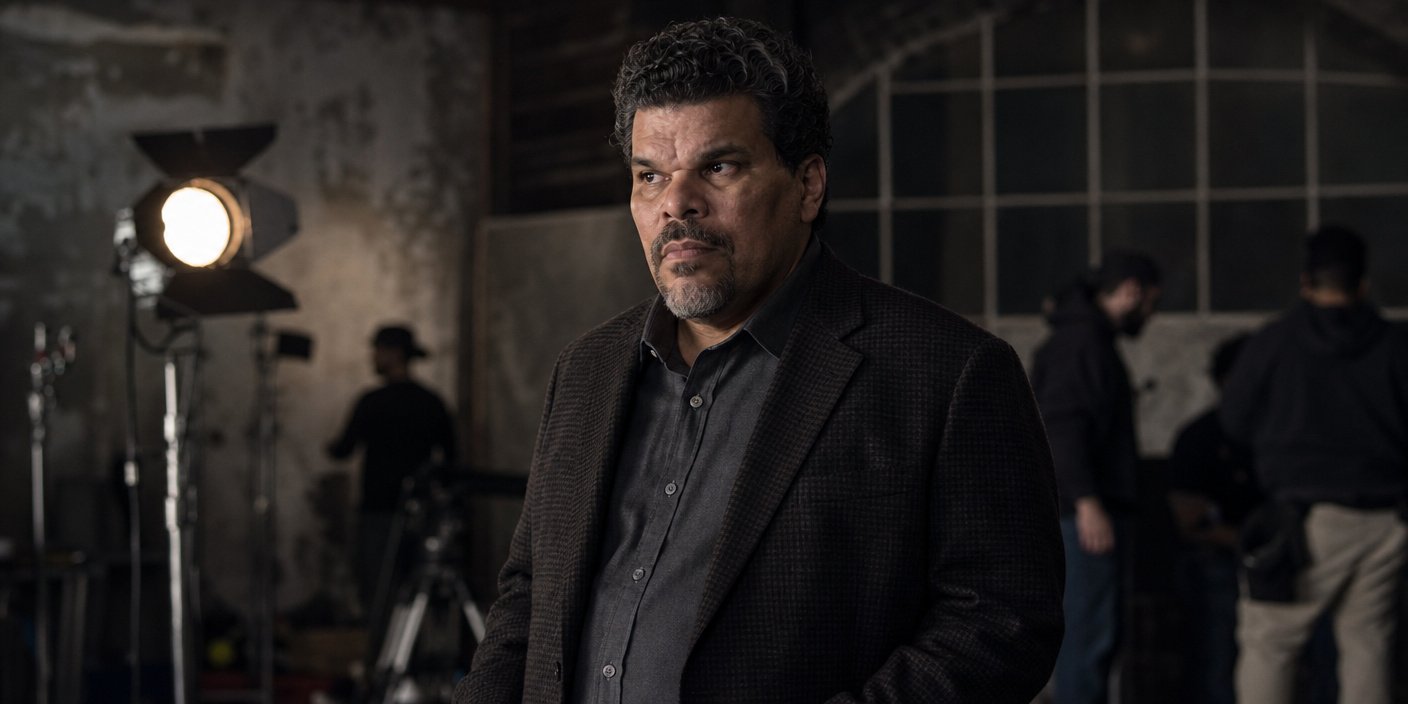
Luis Guzmán’s performance is the cornerstone of this production. Known for his versatility and ability to inhabit characters with deep, unspoken histories, Guzmán brings a necessary layer of human vulnerability to the lead role. His character is not a cartoon villain, nor is he a polished hero; he is a tired, driven operator who spends as much time in deposition meetings as he does managing his team. The performance is nuanced, relying on subtle shifts in posture and expression to convey the burden of his character’s decisions. Critics have noted that Guzmán’s portrayal anchors the film, providing a human anchor in a story that could have easily drifted into melodrama. His ability to balance the character’s ego with his underlying exhaustion makes the film’s legal battle sequences—which could be dry—into moments of high-octane psychological drama.
Decoding the ‘Gray Market’ Transition
The core conflict of the movie hinges on the concept of the ‘gray market,’ a space where, for a significant period in the early 2010s and 2020s, businesses operated in a state of suspended legality. ‘The King of Cannabis’ does not shy away from the technicalities of this transition. It explores the myriad of regulatory requirements, the necessity of specialized legal counsel, and the sheer unpredictability of zoning laws that could shutter a business overnight. This aspect of the film functions as a secondary character: the law itself. By showing the protagonist grappling with permits, tax laws, and sudden regulatory pivots, the film elevates itself from a standard crime story to a commentary on the difficulty of legitimate entrepreneurship in an emerging market.
Economic Implications of the Film
Beyond its dramatic merits, ‘The King of Cannabis’ offers a stark reflection of the broader economic realities of the modern cannabis industry. The film suggests that the ‘gold rush’ mentality was rarely sustainable for the individuals who pioneered it. It highlights the trend of corporate consolidation, where smaller, culture-driven operations were often forced to fold or sell to larger conglomerates. By tracing the financial arc of the protagonist’s company, the film mirrors the real-world trajectory of many early-stage cannabis firms that found themselves swallowed by the very regulations they once fought to comply with. It serves as a case study in the perils of being a first-mover in a sector characterized by high entry costs and shifting legislative sands.
Examining the Future of Cannabis Cinema
‘The King of Cannabis’ sets a new bar for how independent filmmakers approach the cannabis sector. By moving away from stoner comedy or glorifying tropes, the film suggests that there is a hunger for serious, adult-oriented content centered on the realities of the business. It opens the door for a wave of films that treat the subject matter with the same gravity afforded to the tech industry, the oil industry, or the pharmaceutical sector. If this film is any indication, the future of this sub-genre lies in historical accuracy, legal tension, and character-driven explorations of the people who shaped the industry before it became fully institutionalized.
FAQ: People Also Ask
1. Q: Is ‘The King of Cannabis’ based on a true story?
A: While the film features a fictionalized protagonist, the plot is inspired by true-crime accounts of actual entrepreneurs who navigated the complex, often chaotic, transition of the cannabis industry from underground to regulated status.
2. Q: Where can I see ‘The King of Cannabis’?
A: The film had its nationwide theatrical debut on August 28, 2026. Check your local theater listings or major ticketing platforms for current screening times.
3. Q: Does the movie focus on the drug trade or the business side?
A: The film focuses primarily on the business side of the industry, specifically the logistical, legal, and personal challenges an entrepreneur faces while trying to operate within an evolving and often restrictive regulatory framework.