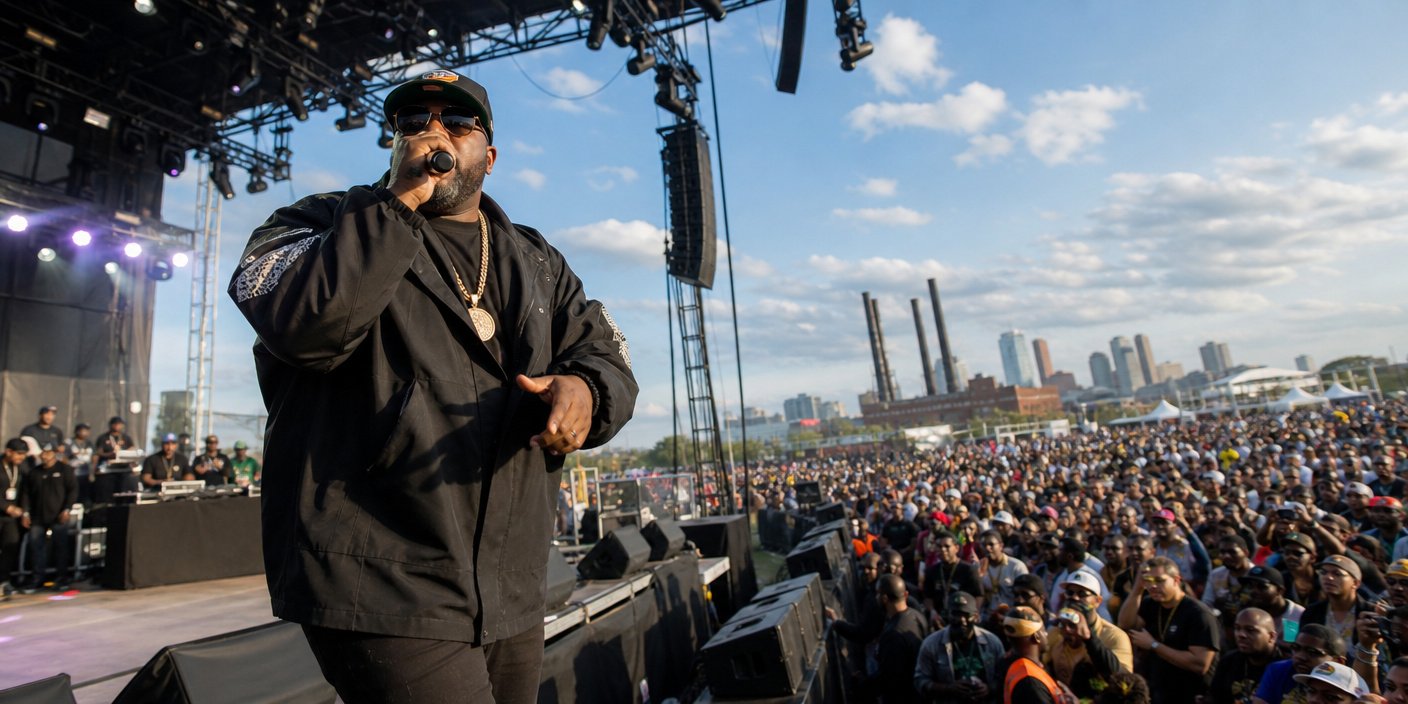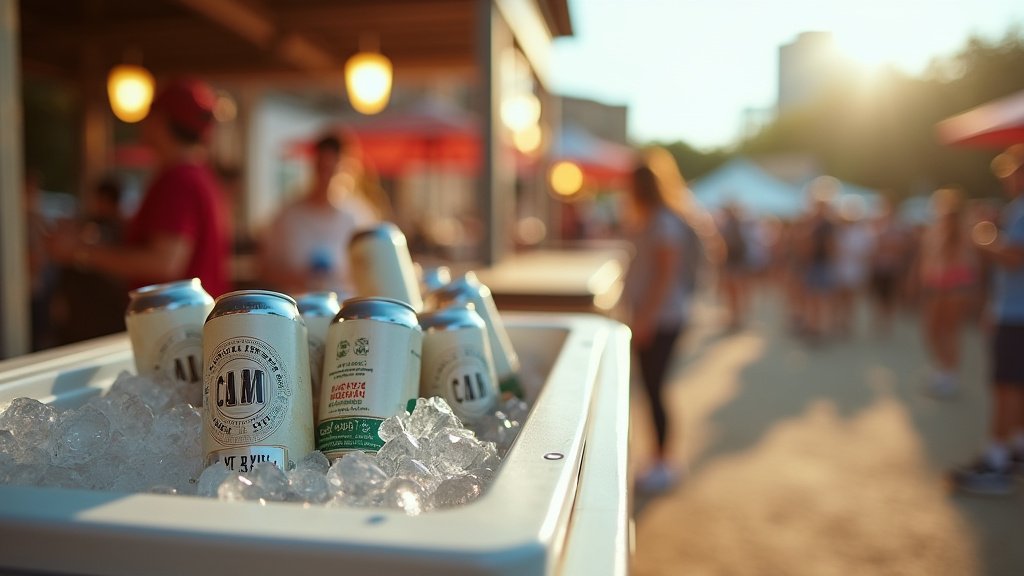
The Austin City Limits (ACL) Music Festival, a cornerstone of American live entertainment held annually at Zilker Park, has officially ushered in a new era of festival refreshment. In a significant partnership, Cann, the popular microdosed cannabis beverage brand, has debuted as the festival’s first-ever THC-infused social tonic. This collaboration represents more than a beverage sponsorship; it signals a monumental cultural shift in how major events approach adult social consumption, moving beyond traditional alcohol-centric models to embrace the growing demand for alternatives.
Key Highlights
- Historic First: Cann becomes the first THC-infused drink brand to be sold officially at the Austin City Limits Music Festival.
- Regulatory Nuance: The availability of these beverages relies on specific provisions within the 2018 Farm Bill, allowing for hemp-derived Delta-9 THC products to be sold in Texas.
- Cultural Shift: The partnership highlights the increasing consumer appetite for ‘social tonics’ that offer a lighter, alcohol-free buzz, appealing to the ‘sober-curious’ movement.
- Mainstream Validation: A major Tier-1 festival endorsement provides significant institutional legitimacy to the burgeoning cannabis-infused beverage industry.
The New Wave of Festival Refreshment: Cann’s ACL Expansion
The arrival of Cann at Austin City Limits is not merely a product launch; it is an indicator of the changing tides in the live music and events industry. For decades, the festival ecosystem has been dominated by legacy beer sponsors and high-ABV cocktail vendors. However, as the ‘sober-curious’ movement gains momentum—particularly among Gen Z and Millennial festival-goers—event organizers are actively seeking products that provide a social buzz without the negative side effects of alcohol, such as hangovers or physical impairment.
Cann’s entry into ACL is a calculated strategic move by C3 Presents, the festival’s organizer, to diversify concessions. By introducing a product that focuses on ‘microdosing’—typically containing 2mg of THC and 4mg of CBD—the festival offers an experience that aligns with the relaxed, communal atmosphere of Zilker Park. This aligns with a broader trend of harm reduction and wellness-conscious partying, where consumers are increasingly looking for ways to engage with live music while retaining control and clarity.
Decoding the Texas Legal Landscape
Understanding how a THC product can be sold at a major event in Texas requires an analysis of the legal framework currently governing the state. Despite Texas maintaining strict laws against marijuana, the 2018 Farm Bill created a specific legal pathway for hemp-derived products. Brands like Cann utilize hemp-derived Delta-9 THC, which is legal under federal law provided the concentration does not exceed 0.3% by dry weight.
This distinction is vital for consumers and regulators alike. By operating within these federal parameters, Cann is able to participate in a retail environment that would otherwise be hostile to traditional cannabis products. This legal maneuverability has allowed Texas to become an unexpected laboratory for the hemp-derived THC market, making the ACL debut a bellwether for how state laws might evolve—or how brands might navigate them—in the coming years.
The Rise of the ‘Social Tonic’
What exactly is a ‘social tonic,’ and why is it finding success at major music festivals? The term has become a key piece of industry nomenclature, distinguishing these drinks from traditional cannabis edibles or higher-potency vapes. These tonics are designed for consumption in social settings, emphasizing flavor, low-calorie counts, and a manageable, predictable onset of effects.
At a festival setting, where attendees are navigating crowds, standing for long hours, and engaging in high-stimulation environments, the appeal of a predictable, light experience is clear. Traditional alcohol consumption can lead to dehydration and fatigue, which are exacerbated by the Texas heat. In contrast, the microdosed approach allows consumers to pace their consumption, similar to having a beer or a glass of wine, but with a different chemical profile that many users find more sustainable for a full day of live music.
Economic and Cultural Implications
From an industry perspective, Cann’s debut provides massive validation for the functional beverage category. When a marquee brand like ACL—which attracts hundreds of thousands of attendees—adopts a new category of intoxicant, it forces competitors and traditional beverage distributors to take notice. We are likely to see a ripple effect in the concert industry, with more festivals and large-scale sporting events exploring hemp-derived THC partnerships as a way to increase per-capita spending and cater to evolving consumer preferences.
Furthermore, this move positions Austin as a forward-thinking hub for the cannabis industry. While the product is hemp-derived, the association with cannabis culture is undeniable. For the city of Austin, which has historically maintained a unique, counter-cultural identity, this debut serves to reinforce its status as a city that balances tradition with progressive market integration. It bridges the gap between the rigid, prohibition-era past of Texas and the rapidly liberalizing attitudes of the American public toward cannabis consumption.
As the festival concludes and the data on consumer reception is analyzed, the success of this initiative will likely dictate the sponsorship landscape for the 2025 festival season. If ACL sees robust sales and a positive reception from attendees, expect a rapid expansion of THC-infused beverage availability across the national festival circuit, fundamentally altering the standard concession stand menu forever.
FAQ: People Also Ask
Is the THC in Cann actually legal in Texas?
Yes. Under the 2018 Farm Bill, hemp-derived Delta-9 THC is legal if the product contains no more than 0.3% THC by dry weight. Cann operates within these federal legal limits, allowing them to sell in states that have yet to fully legalize recreational marijuana.
What does ‘microdosed’ mean in the context of this beverage?
Microdosing refers to the practice of consuming very small, controlled amounts of a substance. In Cann’s case, it typically involves a low ratio of THC (around 2mg) and CBD (around 4mg), designed to produce a mild, uplifting feeling without the intense impairment associated with high-potency cannabis products.
Will I get drunk from drinking Cann at ACL?
No. Cann is not alcohol. It does not cause the same physiological effects as alcohol. While it is psychoactive due to the THC, it is intended to provide a ‘social buzz’—a lighter, clearer experience—rather than traditional intoxication.
Are there other THC drinks available at festivals besides Cann?
Cann is the first to debut at ACL, but the market for hemp-derived THC beverages is growing rapidly. While ACL has pioneered this specific partnership, other smaller festivals and venues across the U.S. are beginning to explore similar arrangements as consumer demand for non-alcoholic alternatives to beer and liquor continues to rise.