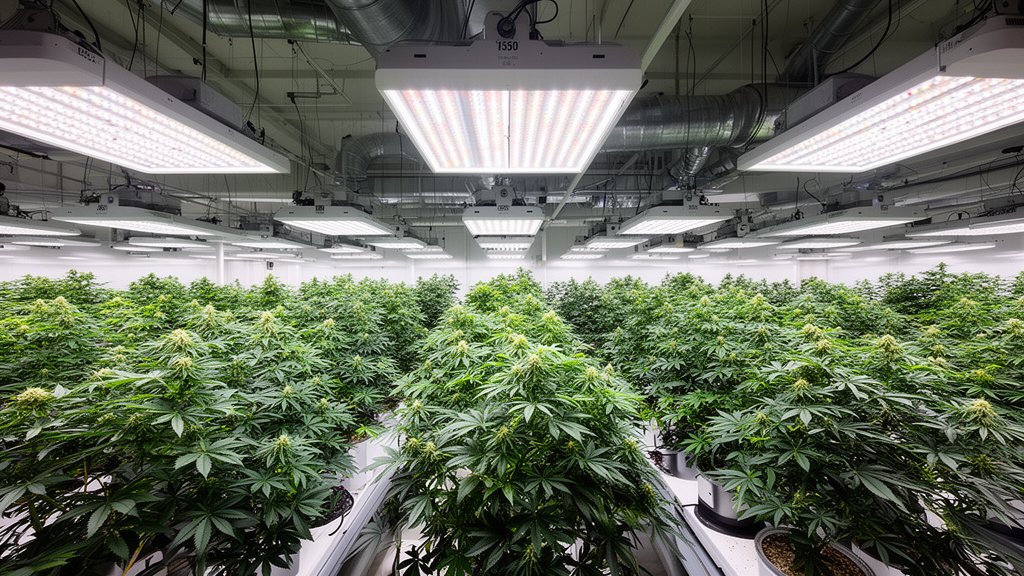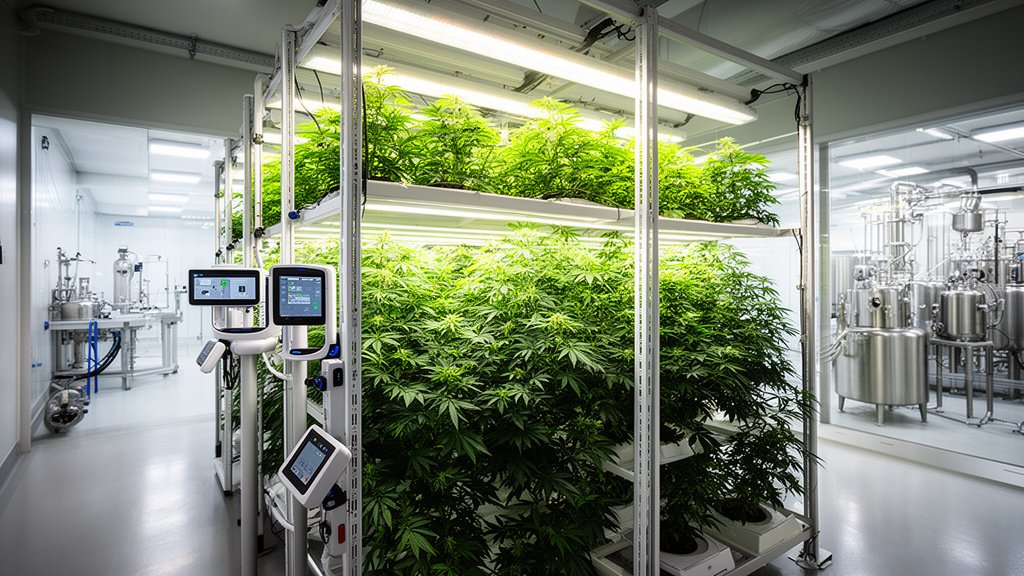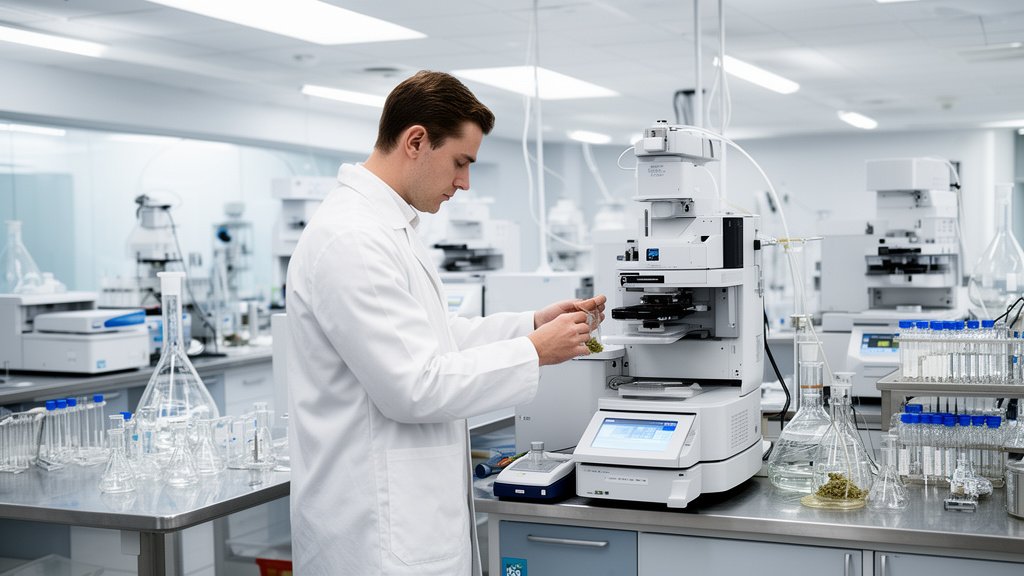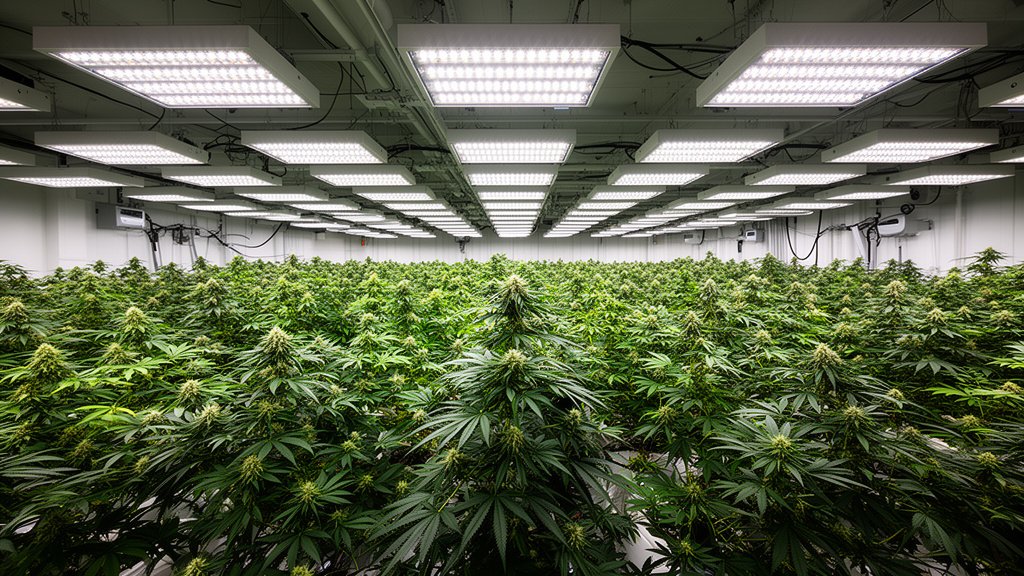
1933 Industries has successfully finalized a strategic LED lighting retrofit across its 68,000-square-foot cannabis cultivation facility in Las Vegas, Nevada. This operational upgrade marks a pivotal shift for the company’s production infrastructure, trading legacy lighting systems for advanced LED technology to optimize plant health, reduce operational overhead, and improve the consistency of their premium output.
Key Highlights
- Facility Scale: The retrofit encompasses the entirety of the 68,000-square-foot cultivation space, ensuring uniform environmental control.
- Operational Efficiency: By transitioning to LED arrays, 1933 Industries is positioned to significantly lower electricity consumption related to thermal management.
- Production Quality: Advanced spectral output from the new LED systems is designed to enhance terpene profiles and cannabinoid density.
- Strategic Infrastructure: The upgrade signals a long-term commitment to sustainability and production scalability within the competitive Nevada market.
Driving Efficiency in Nevada’s Cannabis Market
The completion of the LED lighting retrofit at the 1933 Industries facility is not merely a maintenance task; it is a critical technological pivot. In large-scale cannabis cultivation, lighting accounts for a massive portion of the energy budget. Traditional High-Pressure Sodium (HPS) lighting, which has been the industry standard for decades, is notoriously inefficient in terms of heat output and energy-to-light conversion. By replacing these legacy systems with modern LED arrays, 1933 Industries is directly addressing one of the largest variables in cultivation overhead: the cost of climate control.
The Science of Spectrum and Yield
Beyond cost savings, the technical shift to LED technology allows for greater control over the spectral output. Unlike HPS bulbs, which provide a fixed spectrum, high-efficiency LEDs can be engineered to deliver light wavelengths specifically tailored to the vegetative and flowering stages of the cannabis plant. This precision helps in driving photosynthesis more efficiently, leading to faster turnaround times and more robust flower development. For 1933 Industries, this means the potential for higher yields per square foot, a metric that directly correlates to revenue in the Nevada market, where demand for premium, high-quality flower remains steady despite market fluctuations.
Thermal Load Reduction
One of the most immediate benefits of the 68,000-square-foot retrofit is the drastic reduction in thermal load. Traditional lighting systems generate immense heat, requiring heavy-duty HVAC systems to keep the grow rooms at optimal temperatures. By shifting to LEDs, which produce significantly less waste heat, the facility’s climate control systems face less strain. This doesn’t just save on electricity; it also creates a more stable, predictable environment for the crops. Consistency is the hallmark of a successful brand in the regulated cannabis space, and this infrastructure upgrade provides the environmental stability needed to maintain that consistency year-round.
ESG and Sustainable Cultivation
As the cannabis industry matures, Environmental, Social, and Governance (ESG) criteria are becoming increasingly important for investors and consumers alike. Large-scale cultivation facilities are energy-intensive, and proactive measures to reduce that footprint demonstrate corporate responsibility. This retrofit aligns 1933 Industries with modern sustainability trends, potentially lowering the facility’s carbon footprint and energy intensity per gram of production. This operational foresight is essential for companies aiming to remain competitive as utility costs fluctuate and environmental regulations tighten.
Analyzing the Operational Impact
While the upfront capital expenditure of a 68,000-square-foot retrofit is significant, the long-term ROI is found in the reduction of daily operational expenses (OpEx). The combination of lower energy draw, reduced HVAC maintenance, and the potential for increased yield creates a more resilient balance sheet. As the Nevada market continues to evolve, the ability to produce high-quality cannabis at a lower cost-per-gram will be a key differentiator for the company against smaller, less optimized competitors.
FAQ: People Also Ask
Q: Why is 1933 Industries switching to LED lights?
A: The switch is primarily driven by the need for energy efficiency and crop consistency. LEDs provide better spectral control for plant growth and produce significantly less heat than traditional lighting, reducing HVAC load and electricity costs.
Q: What does this retrofit mean for the quality of their cannabis?
A: The improved light spectrum and more stable environment can lead to higher terpene retention and better cannabinoid production, resulting in a higher-quality final product for consumers.
Q: Will this upgrade change the cost of the products?
A: While this is an internal operational upgrade, the increased efficiency helps the company manage overhead costs, which is a strategic move to maintain competitive pricing in the Nevada market.
Q: How large is the facility being upgraded?
A: The retrofit is extensive, covering the company’s entire 68,000-square-foot cultivation facility located in Las Vegas, Nevada.