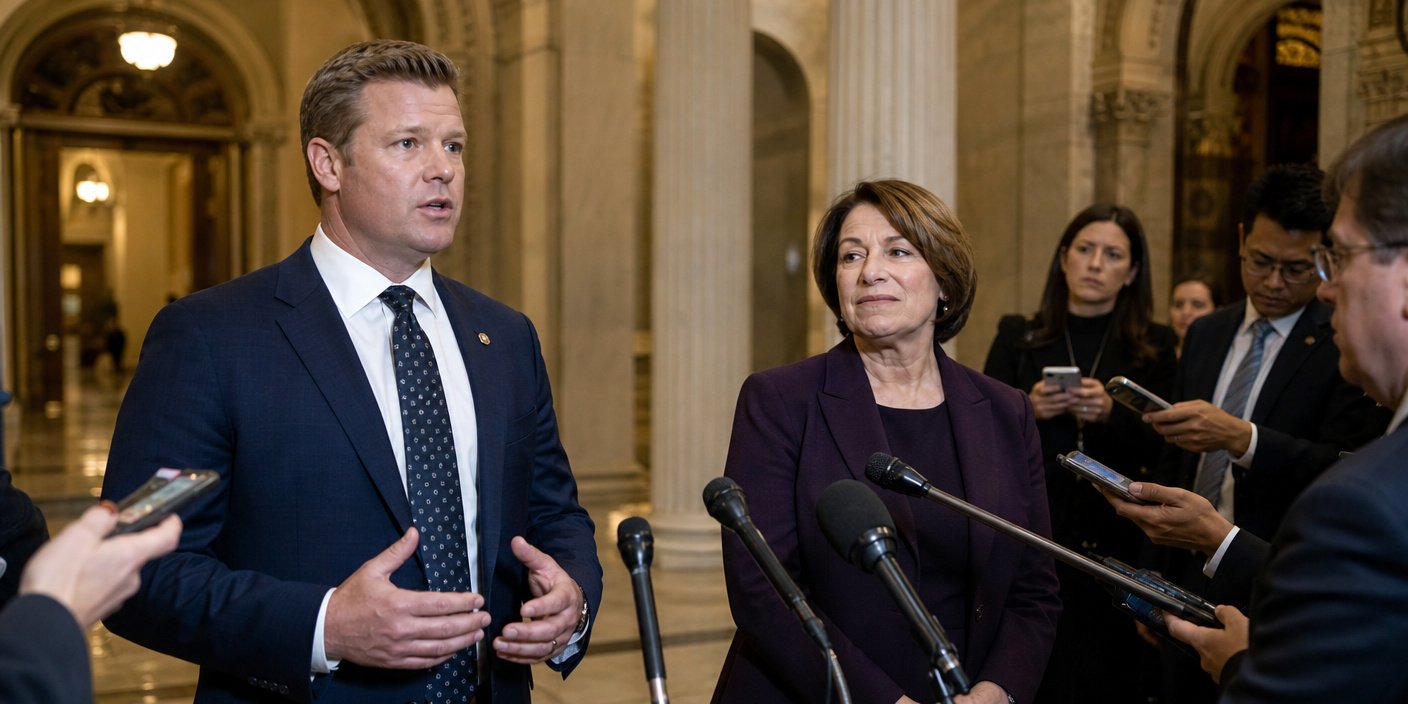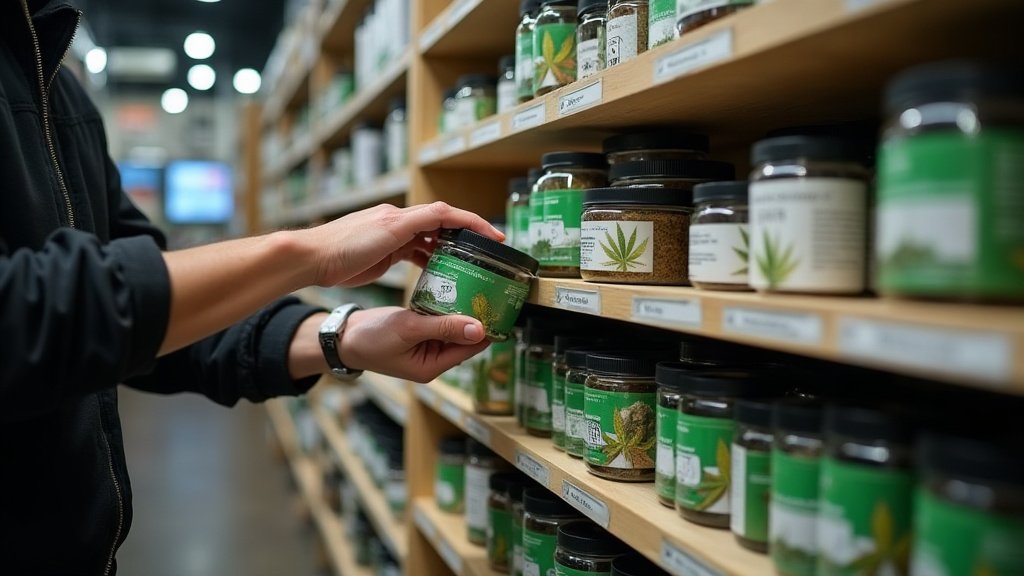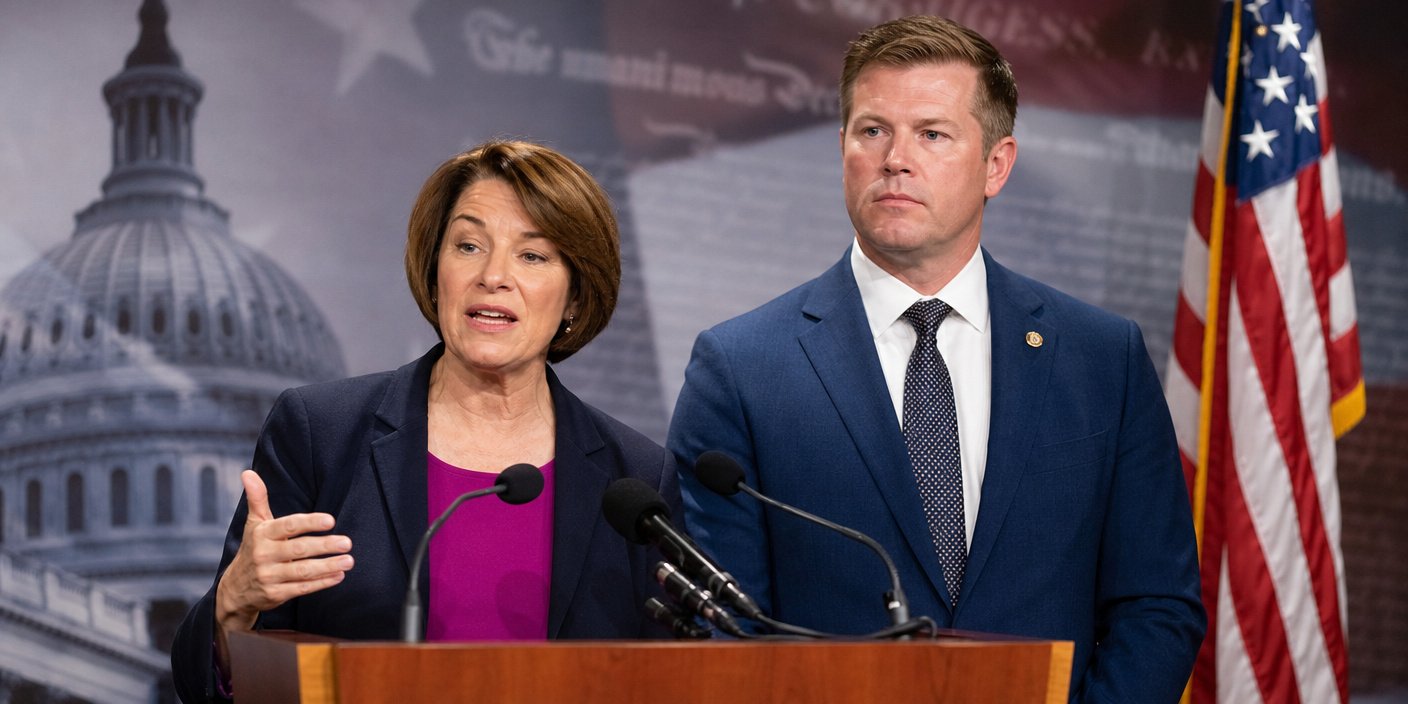
U.S. Senators Amy Klobuchar (D-MN) and Tim Sheehy (R-MT) have officially introduced bipartisan legislation aimed at preserving consumer access to hemp-derived beverages and edibles while simultaneously establishing necessary federal safeguards. The bill arrives as a direct response to growing concerns over federal regulatory actions, specifically targeting the potential disruption of the hemp-THC market that many stakeholders fear will follow the critical December 11 deadline. By proposing a framework that distinguishes between compliant hemp products and controlled substances, the senators seek to provide regulatory clarity for an industry currently operating in a legal gray area.
Key Highlights:
- Bipartisan Legislative Response: Sens. Klobuchar and Sheehy have collaborated to bridge the partisan divide, addressing the urgent need for a cohesive federal hemp policy.
- Market Preservation: The primary objective of the bill is to prevent the disruption of consumer access to hemp-derived beverages and edibles, which have seen a surge in popularity.
- December 11 Deadline: The legislation serves as a counter-measure to restrictive federal changes scheduled for December 11, which could otherwise stifle the burgeoning hemp-THC economy.
- Regulatory Safeguards: The bill proposes implementing specific federal safety standards to address public health concerns while maintaining market viability for hemp businesses.
Establishing Stability in the Hemp-THC Marketplace
The introduction of this bill marks a significant turning point in the ongoing debate surrounding the 2018 Farm Bill and the unintended consequences of its broad definition of hemp. For years, the hemp industry has operated under the interpretation that any cannabis product derived from hemp—defined as having less than 0.3% delta-9 THC by dry weight—is legal under federal law. However, the emergence of high-potency hemp-derived products, particularly beverages and edibles containing intoxicating levels of THC, has prompted aggressive scrutiny from the Drug Enforcement Administration (DEA) and various state regulatory bodies.
The 2018 Farm Bill Legacy and Its Unintended Consequences
When Congress passed the Agriculture Improvement Act of 2018, the intent was to stimulate the agricultural economy by legalizing industrial hemp. Legislators likely did not foresee the rapid innovation in cannabinoid chemistry that would allow manufacturers to extract and concentrate cannabinoids like delta-8 THC, delta-9 THC, and THCA from hemp biomass. This technological leap effectively created a “loophole” that allowed intoxicating products to enter the commercial market, bypassing the regulatory infrastructure established for state-licensed cannabis dispensaries. The result has been a fractured regulatory landscape, where products are readily available in gas stations and grocery stores, often without age verification or consistent labeling requirements.
Why December 11 Is a Critical Flashpoint
The mention of the December 11 deadline underscores the urgency felt by industry stakeholders. This date represents a culmination of administrative rulemaking and regulatory positioning. If left unchecked, many industry analysts fear that federal agencies may utilize current ambiguities in the law to enact restrictive policies that would effectively ban popular hemp-derived categories overnight. Such a ban would not only impact manufacturers but also retailers, distributors, and the agricultural supply chain that supports domestic hemp farming. Sens. Klobuchar and Sheehy’s bill is designed to act as a legislative “circuit breaker,” stopping potential overreach by mandating a formal, collaborative process that prioritizes public safety without resorting to prohibitive bans.
The Economic Implications of the Hemp-THC Sector
The hemp-derived cannabinoid market has blossomed into a multi-billion-dollar industry, supporting thousands of jobs across the United States. From rural farmers in Minnesota and Montana to urban manufacturing hubs, the economic footprint of this sector is substantial. By providing a clear regulatory path forward, this bipartisan bill aims to institutionalize the sector, encouraging long-term investment. Businesses have long complained that the current “Wild West” environment makes it impossible to secure traditional banking services or scale operations. By establishing firm federal safeguards, the senators are advocating for a “compliance-first” model that legitimizes the industry while addressing the legitimate concerns of public health advocates.
Balancing Public Health and Innovation
A core component of the legislation is the implementation of mandatory labeling and age-restriction requirements. Critics of the current market often point to the lack of oversight regarding children’s access to hemp-THC products. The bill seeks to rectify this by aligning hemp product standards more closely with those seen in the alcohol or legal tobacco industries. By mandating testing for purity, potency, and contaminants, the senators hope to create a safer environment for consumers. This approach reflects a shift from a prohibitionist mindset to a harm-reduction strategy, acknowledging that hemp-derived THC is a permanent fixture of the modern market and requires modern regulatory tools to manage effectively.
The Path Ahead: Bipartisan Cooperation in a Fractured Congress
The success of this legislation will depend on the ability of Klobuchar and Sheehy to shepherd it through a busy legislative calendar. In a polarized political environment, hemp policy is one of the few areas where bipartisan consensus remains possible, as lawmakers from both sides of the aisle recognize the economic necessity of supporting rural farmers and small businesses. However, the bill must contend with opposition from those who believe the only solution is to classify all intoxicating cannabinoids under the Controlled Substances Act. The coming weeks will be decisive as the Senate considers the bill’s merits and assesses the potential impact of inaction after the December 11 threshold.
FAQ: People Also Ask
Q: What does this bill mean for CBD products?
A: The bill focuses primarily on ensuring that legitimate hemp-derived products, including CBD and various hemp-derived THC products, remain accessible. It aims to clarify the distinction between legal hemp and controlled cannabis, theoretically creating a more stable market for CBD as well.
Q: Will this bill legalize marijuana nationwide?
A: No. This legislation is strictly confined to the hemp-derived cannabinoid market as defined by the 2018 Farm Bill. It does not address the broader status of marijuana, which remains a Schedule I controlled substance at the federal level.
Q: How will the December 11 deadline affect consumers immediately?
A: The deadline represents a potential regulatory shift. Without this legislation, consumers might face sudden product shortages or store closures as retailers and manufacturers pause operations to mitigate the risk of federal enforcement actions.
Q: Are there age restrictions in the proposed bill?
A: While specific text details are pending, the overarching goal of the bipartisan effort is to standardize safety and age-verification requirements, aiming to prevent minors from accessing intoxicating hemp-derived products.