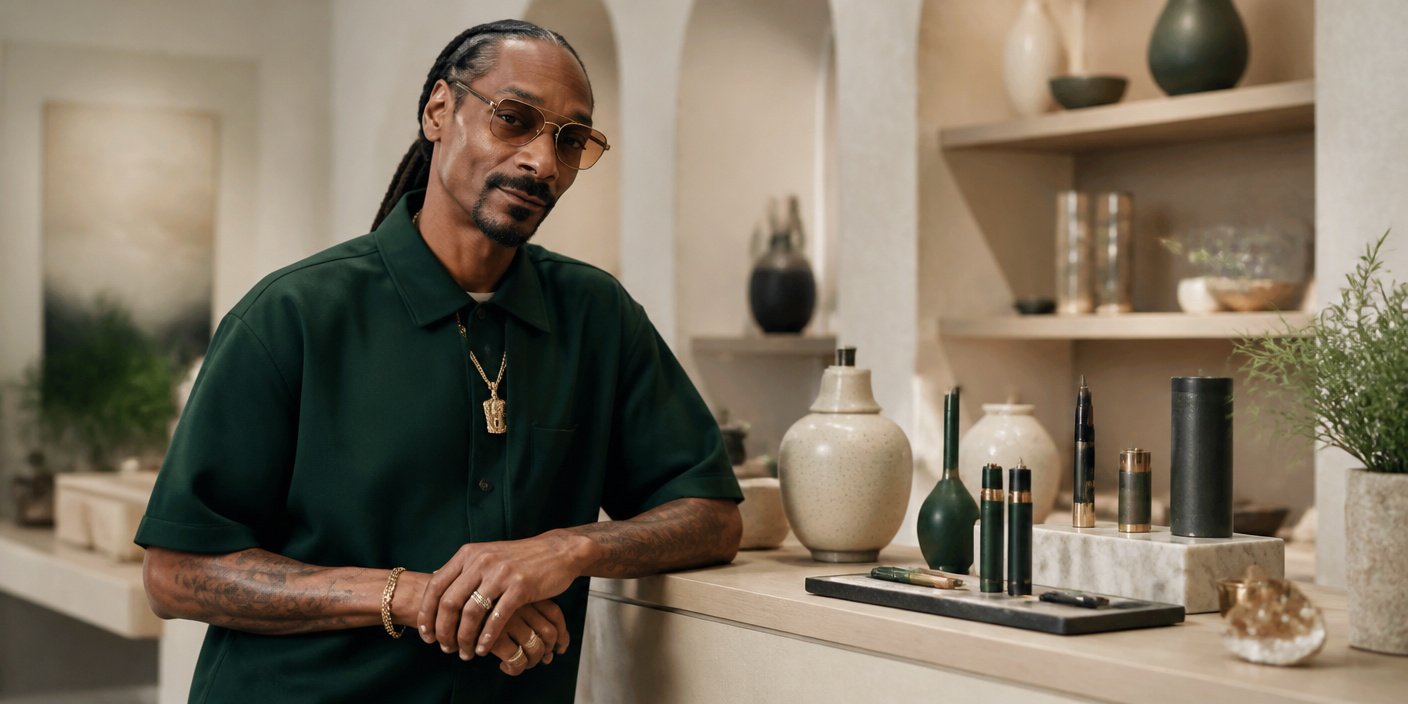
The modern perception of cannabis has undergone a seismic shift, evolving from a countercultural taboo to a sophisticated wellness and lifestyle commodity. Much of this destigmatization can be traced back to the transparency of public figures who have refused to hide their habits, instead integrating them into their professional identities. This article explores how celebrities are not merely ‘using’ the plant but are actively normalizing cannabis consumption in mainstream society.
Key Highlights
- Economic Influence: Celebrity-backed brands like Houseplant and Monogram are driving significant market growth, legitimizing the industry for mainstream investors.
- The Wellness Pivot: Public figures are increasingly framing cannabis as a wellness tool rather than a recreational vice, focusing on CBD and terpene-rich products.
- Cultural Destigmatization: By speaking openly, these figures reduce the social stigma, shifting public conversation from prohibition to regulation and responsible use.
The Celebrity-Cannabis Intersection
The relationship between fame and cannabis is no longer defined by ‘stoner’ tropes or illicit behavior. It is now defined by branding, equity, and a pivot toward holistic health. When public figures speak openly about their consumption, they perform a sociological function: they humanize the consumer. This transparency creates a permission structure for everyday adults to view the plant through a lens of normalcy rather than criminality. As more jurisdictions move toward legalization, these influencers are not just following the market—they are leading the cultural conversation.
The Pioneers of Transparency
Some figures have been open about their consumption for decades, effectively acting as the early activists for the modern legal landscape. Willie Nelson is perhaps the most notable example. Long before the ‘Green Rush’ of the 2020s, Nelson was championing the plant. His brand, Willie’s Reserve, launched in 2015, wasn’t just a business venture; it was a continuation of a decades-long personal philosophy. Nelson’s consistent advocacy helped lay the groundwork for a cultural environment where a country music icon could openly sell cannabis products without losing their base.
Similarly, Snoop Dogg has built an empire that transcends music. With the launch of Death Row Cannabis in 2022, he solidified his position as a titan of the industry. Snoop’s influence is unique because he decoupled cannabis consumption from the ‘lazy’ stereotype, showcasing a high-functioning, multi-hyphenate career that spans television, business, and tech, all while remaining unapologetically pro-cannabis.
From Consumer to Curator
In recent years, the trend has shifted toward the ‘curator’ model. Seth Rogen, through his company Houseplant, has revolutionized the aesthetic of cannabis consumption. By treating smoking accessories like high-end pottery and home decor, Rogen has elevated the ritual of consumption to an art form. His focus on design has attracted a demographic that might have previously shied away from the stereotypical ‘head shop’ aesthetic.
Jay-Z represents the corporate end of this spectrum. As the Chief Visionary Officer for The Parent Company, his brand Monogram treats cannabis with the same reverence as fine wine. By focusing on quality, strain specificity, and high-end marketing, Jay-Z has positioned cannabis as a luxury commodity, further distancing the plant from its underground roots.
The Wellness and Advocacy Angle
Not all celebrity interest is driven by commercial product lines. Some figures focus on the medicinal and wellness potential. Whoopi Goldberg, for example, co-founded Whoopi & Maya (focused on menstrual relief), highlighting the therapeutic potential of cannabinoids for pain management. This angle is crucial for destigmatization because it reframes the conversation around health outcomes. Melissa Etheridge has also been a vocal advocate, particularly regarding the use of cannabis for medical purposes, sharing her personal journey with breast cancer and how cannabis provided relief during her treatment. This testimonial-based approach humanizes the plant’s medical benefits in a way clinical studies rarely achieve.
Secondary Angles: The Future of the Industry
1. The Green Economy: The involvement of these figures has accelerated the legitimization of the industry, allowing for more venture capital to flow into cannabis startups. This influx of capital is professionalizing the supply chain from seed to sale.
2. Legislative Pressure: High-profile celebrity advocacy provides a unique form of political cover for lawmakers. When household names treat cannabis with respect and normalcy, it becomes politically safer for politicians to support decriminalization and recreational legislation.
3. Changing Media Narratives: The shift in coverage—from scandal-focused reporting to business-focused reporting—is a direct result of the mainstreaming of these figures. The media now covers celebrity-cannabis collaborations with the same gravity as tech partnerships or fashion collaborations.
Conclusion: A New Normal
As states continue to review their legislative stances, the cultural work of these ten figures cannot be overstated. By normalizing the act of consumption, they have successfully stripped away much of the historical shame associated with the plant. Whether through Martha Stewart’s unlikely partnership with Canopy Growth or Woody Harrelson’s consistent, low-key advocacy, these figures have turned a forbidden fruit into a regulated, taxable, and widely accepted part of modern culture.
FAQ: People Also Ask
1. Why does celebrity involvement affect cannabis legalization?
Celebrity involvement brings mainstream legitimacy. When trusted public figures normalize consumption, they reduce the ‘fear factor’ for older or more conservative demographics, which in turn influences public opinion polls and voting behavior regarding legalization initiatives.
2. Does celebrity cannabis branding lead to higher product quality?
Often, yes. Celebrity brands like Monogram or Houseplant compete in the premium segment, which forces manufacturers to prioritize terpene profiles, aesthetic packaging, and quality control, raising the standard for the industry as a whole.
3. How has the perception of cannabis changed in the last decade?
Ten years ago, the conversation was heavily dominated by the ‘war on drugs’ narrative. Today, the conversation is dominated by tax revenue, medical benefits, and consumer lifestyle choices, largely driven by the ‘Green Rush’ and high-profile industry investments.
4. Is celebrity advocacy strictly about making money?
While many ventures are highly profitable, the advocacy also stems from a genuine desire to end prohibition. Many celebrities, such as Willie Nelson, were advocates long before it was financially viable to enter the industry, indicating a commitment to the cause that predates the potential for profit.