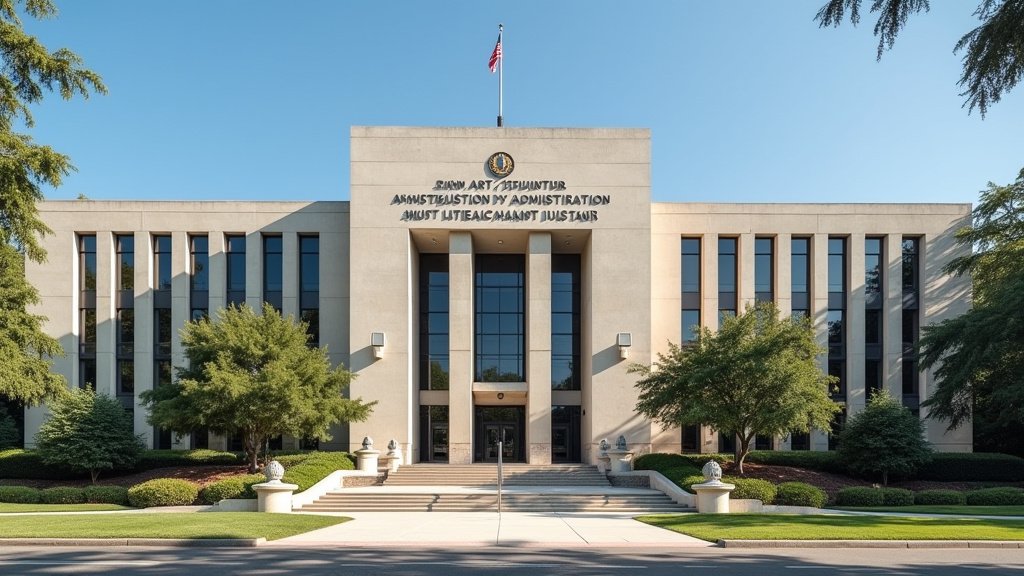
As the legal cannabis industry continues to experience rapid expansion across the globe, higher education institutions are increasingly formalizing their commitment to the sector. Universities are now moving beyond peripheral interest to offer comprehensive certificate programs, specialized business courses, and dedicated research initiatives designed to prepare students for the professional demands of this burgeoning field. This academic pivot recognizes that the cannabis economy requires a workforce trained in regulatory compliance, cultivation science, marketing strategy, and logistics, mirroring the demands of established corporate sectors.
The Rise of Cannabis Curriculum
The integration of cannabis into higher education is not merely a reaction to shifting public sentiment but a pragmatic response to market realities. Educational institutions are witnessing high enrollment rates for specialized cannabis programs that bridge the gap between academic theory and vocational application. From public state universities to private colleges, the focus has shifted toward institutional legitimacy. By treating cannabis as an legitimate object of study—covering everything from the legal landscape and social justice implications to the sophisticated science of extraction and botany—universities are providing a pathway for students to secure stable, high-level careers in a legally complex industry. This shift is removing the stigma traditionally associated with the subject matter, positioning it alongside other specialized agricultural and pharmaceutical industries.
Navigating Regulatory Challenges and Research
Despite the growing acceptance, universities operating in this space face a complex regulatory environment. Institutions often must balance state-level legalization against lingering federal restrictions, which can impact research funding and inter-university collaboration. However, the appetite for data-driven research is immense. Academia is now the frontline for investigating the medicinal properties of cannabinoids, the efficacy of various delivery systems, and the economic impacts of legalization. By engaging in rigorous, peer-reviewed research, universities are providing the authoritative data that policymakers, healthcare providers, and business stakeholders require to navigate the industry safely. This scholarly approach is crucial for moving the industry toward a more mature, standardized, and evidence-based model.
Career Pathways in the Cannabis Economy
The professionalization of the cannabis sector is driving demand for a diverse set of skills that extend far beyond cultivation. Students enrolled in these emerging programs are pursuing careers in supply chain management, compliance auditing, government affairs, brand development, and data analytics. As multinational corporations continue to eye the cannabis market, the need for individuals with specialized, university-backed knowledge will only increase. By creating these dedicated career pathways, higher education is not only preparing students for the current market but is also shaping the future leadership of an industry that demands both technical proficiency and a nuanced understanding of social and ethical responsibilities.
FAQ: People Also Ask
Are these cannabis programs accredited?
Yes, many certificate and continuing education programs are accredited by the institutions offering them. However, it is essential to distinguish between industry-specific certifications and degree-granting programs, as federal guidelines still influence how universities structure their academic offerings.
What career opportunities exist for graduates?
Graduates are moving into roles such as compliance managers, master growers, laboratory technicians, regulatory consultants, and marketing strategists for licensed dispensaries and production facilities.
Why are universities getting involved now?
Universities are responding to the economic necessity of preparing students for a rapidly growing market, the need for standardized industry research, and the broader societal shift toward the legalization and regulation of cannabis.