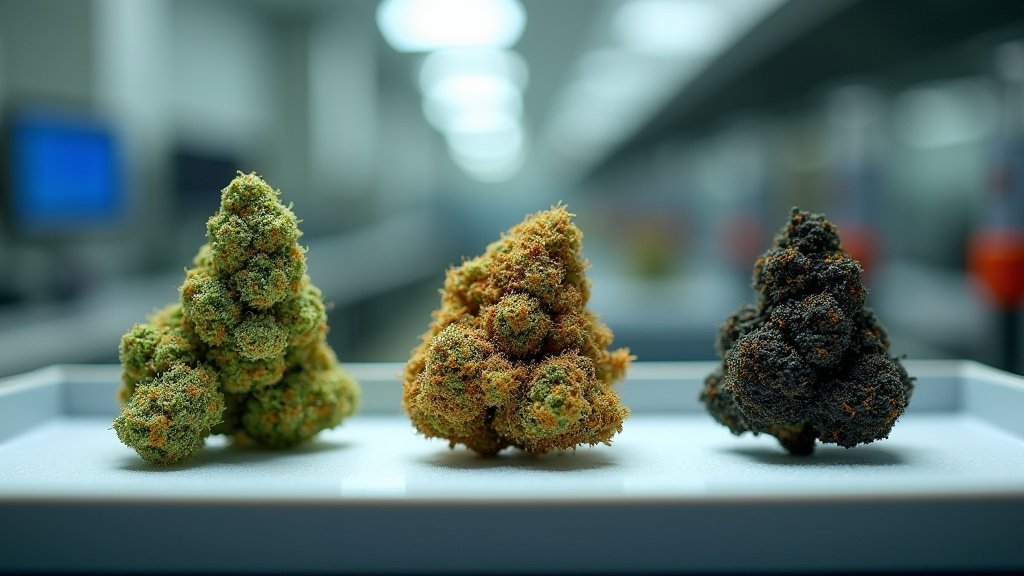
The landscape of cannabis cultivation is undergoing a tectonic shift in 2026. As consumers move away from the obsession with high-percentage THC figures, the industry is witnessing a sophisticated pivot toward terpene complexity and mechanical yield. Industry expert Scott Holden has released his highly anticipated analysis of the Top 10 Cannabis Strains of 2026, offering a technical deep dive that prioritizes the ‘hash-ability’ and genetic stability of cultivars over the typical market sales reports that dominate general headlines.
Key Highlights
- Shift in Metrics: Scott Holden’s 2026 analysis discards vanity THC numbers in favor of terpene retention and trichome gland density.
- Hash-Making Focus: The top 10 list is dominated by cultivars specifically bred for high-yield solventless extraction (rosin production).
- Genetic Stability: Cultivars evaluated were stress-tested for herm-resistance and consistency across different environmental set-points.
- Chemical Profiling: Each strain on the list represents a distinct chemotype, prioritizing unique minor cannabinoid ratios rather than broad-spectrum profiles.
The Technical Renaissance: Refining the 2026 Genetic Standard
The 2026 market is no longer driven by the ‘highest percentage wins’ mentality that defined the previous decade. According to Scott Holden, the current year marks the maturation of the connoisseur market, where the ability of a plant to perform in a lab—specifically regarding solventless extraction—has become the primary KPI for breeders and commercial growers alike. This analytical approach fundamentally changes how we categorize ‘top tier’ genetics.
The Hash-Maker’s Metric
For the first time in modern industry reporting, the ranking of top strains in 2026 is inextricably linked to ‘return on wash.’ Holden’s methodology measures the glandular stalk-to-head ratio of the trichomes. Strains that boast high resin production, but possess fragile, easily ruptured glandular heads, were disqualified from the top 10. The winners are those that maintain structural integrity during the ice-water extraction process, yielding a clean, blonde rosin that retains the full-spectrum terpene profile of the fresh flower.
The Shift from Sales to Substance
General market reports for 2026 often highlight high-volume movers—strains that sell well because of their visual bag appeal or marketing hype. Holden’s audit deliberately ignores these sales metrics. Instead, he focuses on the long-term viability of the cultivar. The top strains identified are those that exhibit superior ‘volatile terpene retention’—the ability of the flower to keep its aromatic complexity through the drying and curing process. This shifts the focus from the retail shelf back to the cultivation room, ensuring that the final product consumers purchase is a true representation of the plant’s intended genetic expression.
Analyzing the Top 10 Chemotypes
Holden’s 2026 list categorizes strains not by lineage alone, but by functional chemotype. This year’s leaders are heavily characterized by high-limonene and myrcene-forward profiles, though with a distinct increase in unique terpene isomers like farnesene and ocimene. The breeding history of these plants is scrutinized for true recessive trait stability, moving away from the ‘poly-hybrid soup’ of the early 2020s and back toward refined, distinct expressions of classic heritage genetics crossed with modern high-yield performance.
The Economic Impact of Expert Auditing
By spotlighting strains that are difficult to grow but yield exceptional hash, Holden is influencing the ‘elite’ sector of the market. Producers are realizing that by aligning their crop cycles with these technically superior cultivars, they can command a premium price in a saturated market. The economic shift is moving from ‘quantity-per-square-foot’ to ‘quality-per-wash,’ a trend that is likely to dictate breeding goals for the next five years.
FAQ: People Also Ask
Q: Why does Scott Holden prioritize hash-making performance in his 2026 analysis?
A: Holden argues that solventless extraction is the ultimate ‘stress test’ for a cannabis plant. It reveals the true quality of the resin and the purity of the terpene profile, which are often masked in flower-only metrics.
Q: Are these top 10 strains available for home growers?
A: While many are proprietary or limited to high-end commercial licenses, the breeding trends identified in Holden’s report—such as focus on trichome density—are starting to appear in public-facing seed banks as breeders adapt their programs.
Q: How did 2026 change the way we measure cannabis quality?
A: The industry has largely moved away from using THC percentage as the sole indicator of quality, replacing it with holistic analyses of terpene profiles, minor cannabinoid ratios, and mechanical processing yields.
Q: What is the most important trait for a 2026 cultivar?
A: According to the audit, it is the ‘structural integrity of the trichome gland,’ ensuring that the plant can be processed into high-grade hash without losing volatile aromatic compounds.