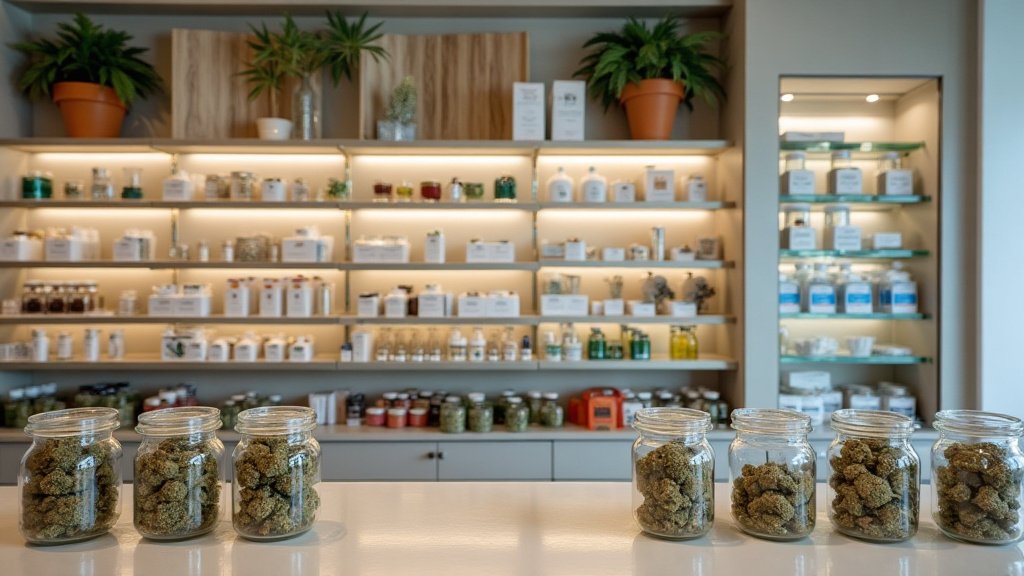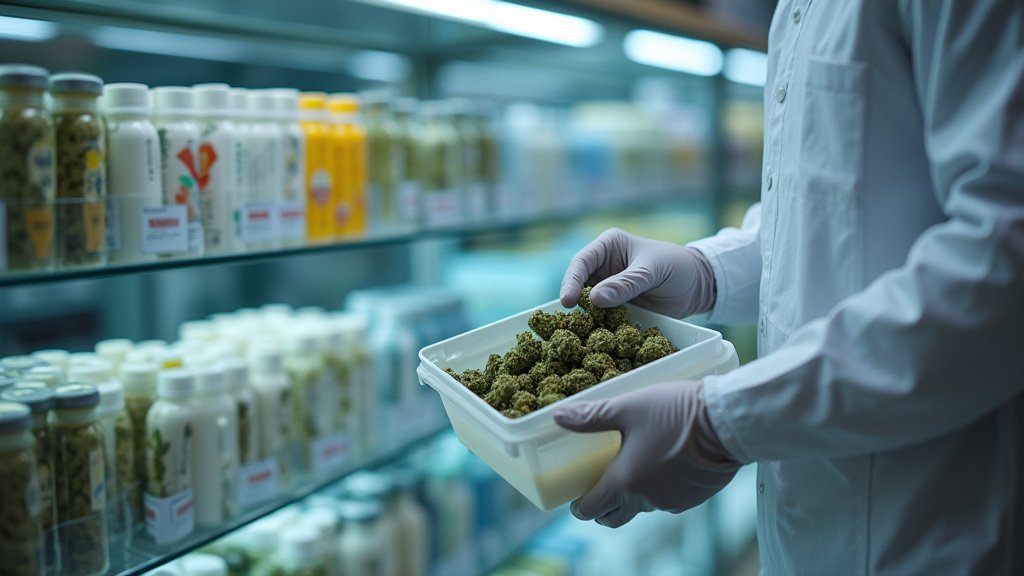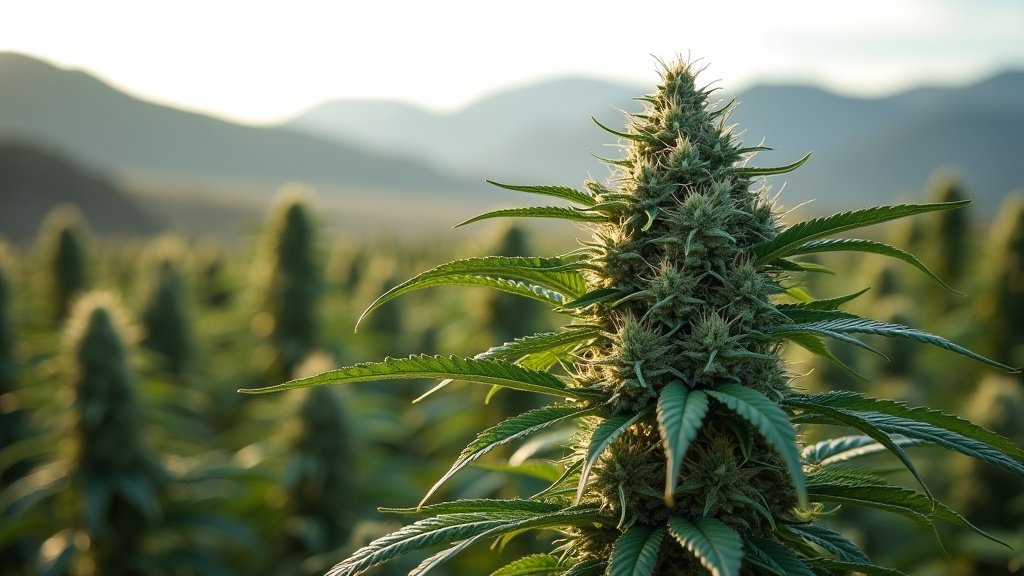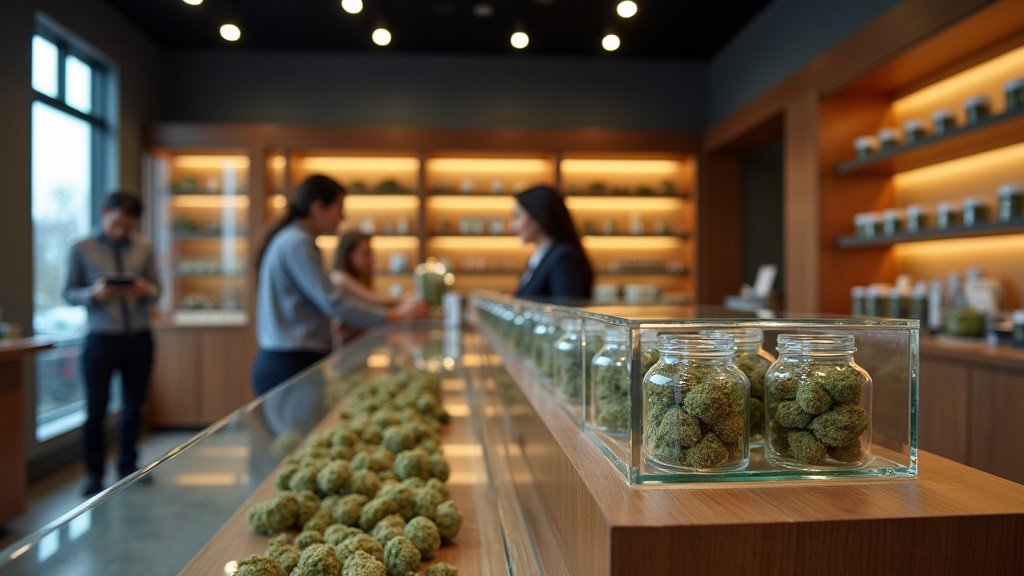
In November 2026, the U.S. cannabis landscape has reached a pivotal level of maturation, shifting away from the “high-THC-above-all” era toward a sophisticated model defined by complex terpene profiles and regional provenance. According to data aggregated by The Marijuana Herald, the current market is being shaped by a structural tug-of-war between legacy genetics that offer nostalgic reliability and new, hyper-bred cultivars that satisfy the demand for intense aromatic experiences. As major legal markets like New York, California, and Colorado solidify their regulatory frameworks, consumer data from the fourth quarter of 2026 reveals clear patterns in purchasing behavior that signal a mature, discerning industry.
Key Highlights
- The Legacy-Hype Hybridization: While perennial staples like Blue Dream and GG4 maintain their position as top-sellers for reliability, newer strains such as “Permanent Marker” and “Jealousy” are dominating the premium “hype” segment.
- Terpene-Forward Purchasing: Consumers are increasingly prioritizing the “entourage effect” and specific terpene profiles (like limonene and myrcene) over raw potency numbers, a trend accelerated by better retail education.
- Market Maturity: Data from analytics firms like BDSA indicates that average transaction values are stabilizing, with a growing segment of the market shifting toward artisanal, small-batch flower produced by independent cultivators.
- Regulatory Influence: The November 2026 sales figures show a direct correlation between standardized testing requirements—led by organizations like ASTM International—and consumer trust, boosting sales for brands that offer transparent lab data.
The Evolution of the U.S. Cannabis Strain Hierarchy
As the legal market enters its third major phase of development, the “strain” has become a brand in its own right. Historically, consumers selected products based on whether they were Indica or Sativa, a binary classification that industry experts and modern retail budtenders have largely retired in favor of chemical analysis. In November 2026, the most popular strains are those that offer consistent, reproducible experiences.
The Resilience of Legacy Genetics
Despite the rapid turnover in the cannabis breeding industry, legacy strains continue to command the highest volume of sales. Blue Dream remains a market leader, particularly in established markets like Colorado and Washington. The data suggests that for the average consumer, Blue Dream functions as the “gold standard” for consistency. In a retail environment that can be overwhelming due to a saturated menu, shoppers gravitate toward names they recognize. This “nostalgia factor” creates a distinct segment of the market that remains largely immune to the seasonal hype cycle.
The “Hype” Economy: Permanent Marker and Beyond
Counterbalancing the legacy market is the high-velocity world of designer cannabis. Strains such as “Permanent Marker” have seen an unprecedented rise in Q4 2026, primarily driven by social media influence and specialized terpene marketing. These strains are often marketed not just by their effects, but by their lineage, exclusivity, and visual aesthetic. Retailers report that younger demographics, particularly in the New York and New Jersey markets, prioritize these “hype” strains, often willing to pay a premium for high-quality, craft-grown batches. This shift has forced major commercial cultivators to adapt their crop rotations to include smaller, more experimental batches to compete for limited shelf space.
The Science of Sales: Terpenes and Transparency
Perhaps the most significant development in 2026 is the widespread adoption of terpene-forward marketing. Consumers are no longer asking “how strong is it?” but rather “what does it taste and smell like?” This evolution is largely supported by more rigorous testing protocols instituted by state commissions and bolstered by ASTM International standards. This transparency has changed the sales floor; budtenders are increasingly acting as consultants, guiding consumers toward specific profiles—such as myrcene-heavy strains for sleep or limonene-dominant strains for focus—rather than relying on arbitrary potency percentages.
Regional Nuance and Economic Impact
The geography of demand is shifting. While California remains the epicenter of experimental breeding, the maturation of the New York market has introduced a new consumer dynamic focused on high-end boutique experiences. In the Midwest, particularly in Illinois, sales data indicates a preference for bulk value and consistency, favoring established high-yield genetics. This regional disparity is driving a sophisticated supply chain, where wholesale distributors are actively managing inventories to match regional preferences with national strain trends. The economic impact is profound: as the industry matures, the focus on branding—leveraging distinct terpene profiles and high-quality cultivation methods—is proving to be the most successful strategy for survival in an increasingly crowded and competitive marketplace.
FAQ: People Also Ask
Q: What is the single most popular cannabis strain in the US as of November 2026?
A: While popularity varies by state, aggregated sales data from The Marijuana Herald indicates that “Permanent Marker” is currently the most popular “hype” strain, while “Blue Dream” retains the title for the most consistent volume seller across the country.
Q: Are consumers still using Indica/Sativa labels to choose strains?
A: No. The industry has largely moved away from these labels. In late 2026, both consumers and retail professionals are prioritizing terpene profiles (like caryophyllene or linalool) to predict the effects and flavor of a specific product.
Q: Why are “hype” strains becoming so expensive?
A: These strains are often produced in smaller, craft-batch quantities with specialized lighting and nutrient schedules. The high demand, combined with limited supply and the premium cost of production, drives the retail price higher compared to legacy genetics grown in high-volume, commercial environments.
Q: How do testing standards affect strain popularity?
A: Standardized testing, driven by groups like ASTM International, has increased consumer trust. Strains that consistently test accurately for both potency and terpene content are winning the long-term loyalty of customers who are tired of inaccurate marketing claims.