The landscape of cannabis-themed events witnessed a pivotal evolution during the Shore House Canna Fall Fest 2026, marking a definitive shift away from localized, insular gatherings toward the era of global, high-production streaming media. By synthesizing the legacy authority of High Times, the digital agility of Cough Country TV, and the hyper-targeted influencer expertise of The Dispensary Guy, this event demonstrated that the future of cannabis retail and culture is inextricably linked to the democratization of access via live broadcast technology.
The Strategic Synergy of the Triple Partnership
The collaboration behind the Shore House Canna Fall Fest 2026 was not merely a logistical arrangement but a strategic alignment of three distinct pillars of the modern cannabis ecosystem. High Times, serving as the industry’s historical standard-bearer, provided the credibility and brand recognition necessary to draw major corporate sponsors and legacy connoisseurs. Conversely, Cough Country TV offered the technical infrastructure, transforming what would have been a standard regional festival into a high-definition, multi-camera broadcast experience capable of rivaling traditional media networks. Finally, The Dispensary Guy acted as the bridge to the modern consumer, utilizing a direct-to-audience approach that prioritized engagement, education, and accessibility.
This tri-partite structure highlights a growing trend: event organizers can no longer rely solely on foot traffic. The ‘Canna Fall Fest’ model proves that the conversion of physical event experiences into digital content creates a secondary revenue stream that often outlasts the event itself. By offering behind-the-scenes access, exclusive artist interviews, and real-time product education via the stream, the organizers managed to turn a localized event into a global digital destination.
Production Logistics and Streaming Infrastructure
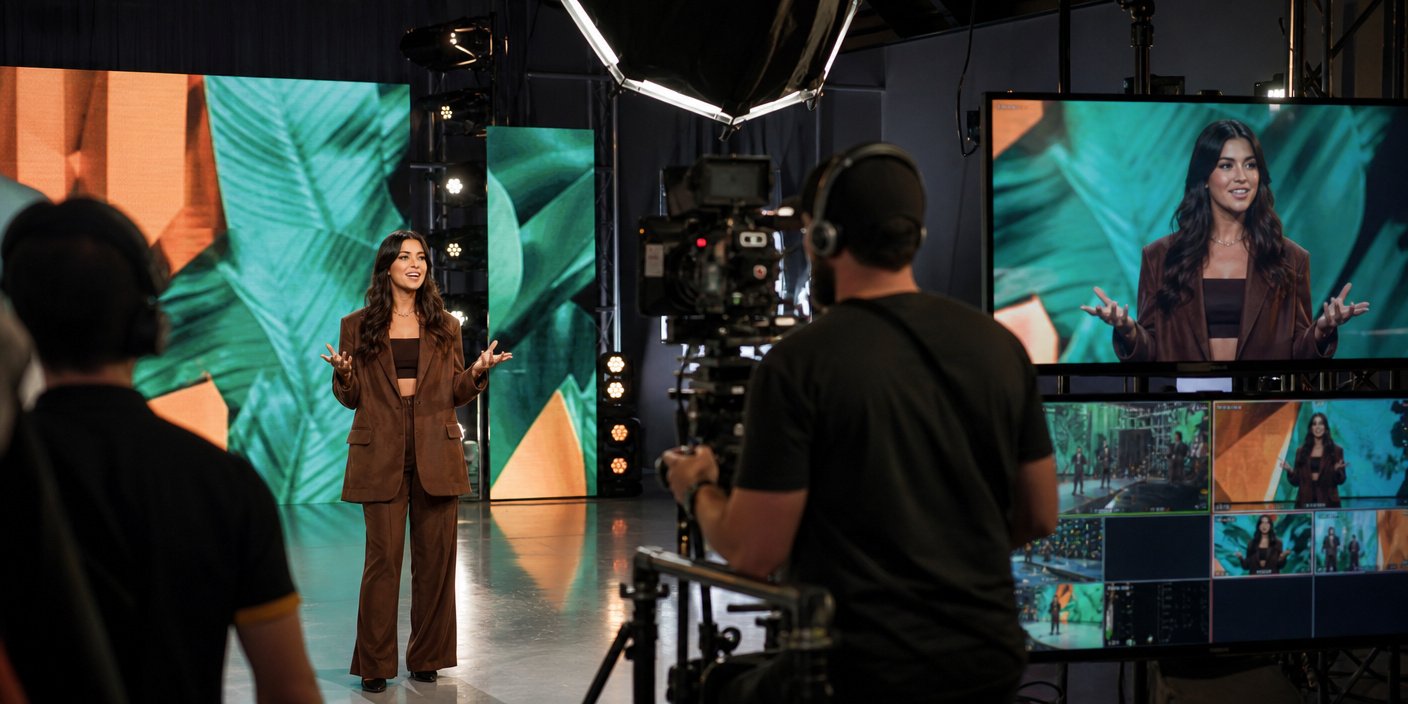
The technical backbone of the Shore House Canna Fall Fest 2026 was arguably its most disruptive element. Moving beyond the ‘shaky-cam’ mobile phone aesthetic typically associated with niche cannabis events, the broadcast utilized cinema-grade cameras, professional audio mixing, and a satellite uplink to ensure zero-latency streaming. This level of production quality is essential for the normalization of the industry. When viewers can see the high-quality product, the sophisticated extraction processes, and the professional atmosphere of the festival on their home screens, the stigma often associated with cannabis events begins to erode.
Furthermore, the integration of real-time Q&A sessions managed by The Dispensary Guy allowed for a level of interactivity previously unattainable in the physical space. This hybrid model—where the physical festival acts as a live studio audience—creates a ‘fear of missing out’ (FOMO) dynamic while simultaneously welcoming those who cannot attend in person. This dual-pronged strategy is rapidly becoming the blueprint for future cannabis-related entertainment and commerce.
Navigating the Regulatory and Cultural Landscape
Streaming cannabis events presents a unique set of regulatory challenges, particularly regarding interstate commerce and broadcast restrictions. The organizers of the 2026 festival navigated these complexities by focusing on educational content and culture rather than direct transactional sales on the stream. By emphasizing the ‘lifestyle’ aspects and showcasing the craft behind the product, the broadcast maintained compliance while effectively marketing the brands involved.
This approach signals a maturing market. The industry is moving away from the ‘wild west’ mentality and toward a sophisticated, media-driven professional environment. The success of this collaboration indicates that regulatory bodies are becoming more accustomed to seeing cannabis culture presented as a legitimate entertainment vertical. As more festivals adopt the Cough Country TV model, we can expect to see stricter production guidelines but also wider distribution opportunities on mainstream streaming platforms.
The Economic Implications of Hybrid Canna-Events
From an economic perspective, the Shore House Canna Fall Fest model provides a scalable framework. Regional dispensaries and brands now have a clearer path to reach national audiences without the logistical nightmare of a national tour. The ‘virtual attendance’ revenue model—which included premium digital access passes—allowed the event to monetize a digital audience far larger than the venue’s physical capacity allowed. This indicates a massive shift in how cannabis brands should allocate their marketing budgets: less toward traditional print or billboard advertising, and significantly more toward high-value, event-based digital content production.
As we look toward 2027, the success of this festival serves as a case study. The integration of established media players with modern, niche-focused creators creates a symbiotic ecosystem. For investors and stakeholders, this means that the ‘Canna-Event’ sector is no longer just about ticket sales; it is about media rights, content syndication, and digital influence. The Shore House Canna Fall Fest 2026 has effectively proven that the cannabis industry is ready to take its place on the digital stage.