As the Washington D.C. cannabis market enters the final quarter of 2026, shifting consumer preferences toward terpene-forward profiles and boutique genetics have redefined what makes a standout strain. Jonathan Crandall, a prominent local cannabis expert known for his analytical approach to cultivar curation, has released his highly anticipated October recommendations. This month, Crandall pivots away from standard potency-based marketing, instead highlighting strains that offer complex sensory experiences and consistent, nuanced effects. His selections—Chem Bandana, Pave, and Sour Candy Loaf—represent a trifecta of the sophisticated cultivation standards currently emerging within the capital’s regulatory landscape.
Key Highlights
- Chem Bandana: Selected for its potent, earthy aromatics and robust, heavy-hitting profile preferred by experienced connoisseurs.
- Pave: Highlighted for its striking aesthetic appeal and balanced, hybrid-leaning effects that cater to the modern, social consumer.
- Sour Candy Loaf: Recognized as a unique, flavor-profile-dominant strain that challenges traditional citrus and skunk flavor expectations.
- Market Trend: The selections underscore a broader industry shift in 2026 toward ‘terpene-first’ education, where consumers are prioritizing specific botanical profiles over simple THC percentages.
The October 2026 Cultivar Forecast
The Curator’s Philosophy: Why These Three?
In an era of market saturation, Jonathan Crandall’s approach to curating the ‘must-have’ strains of October 2026 is grounded in the evolution of the D.C. consumer. For many years, the industry was dominated by a race to the highest THC percentage. However, 2026 has marked a distinct departure from this model. Crandall argues that the modern cannabis user in D.C. is now more interested in the ‘entourage effect’—a synergistic interaction between cannabinoids, flavonoids, and terpenes—than ever before.
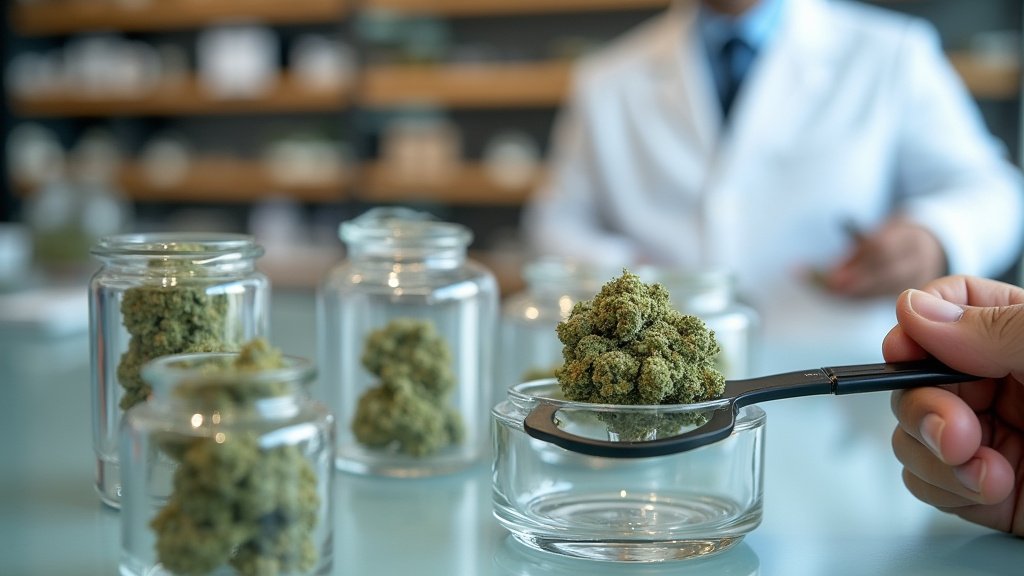
Crandall’s methodology involves a rigorous assessment of flower structure, moisture content, and the volatility of the terpene profile upon combustion. His decision to highlight Chem Bandana, Pave, and Sour Candy Loaf is not merely a reflection of current popularity, but an endorsement of breeders who have successfully stabilized complex genetics in a challenging legal and climatic environment. For October, the emphasis is on cultivars that offer a specific ‘functional comfort’—strains that provide relief or euphoria without the burnout associated with less refined options.
Deep Dive: Analyzing the Trio
#### 1. Chem Bandana: The Heavyweight Contender
Chem Bandana remains a hallmark of traditional, high-intensity breeding. According to Crandall, this strain is the logical choice for the consumer looking for the ‘heavy-hitter’ of the month. Characterized by its sharp, industrial chemical notes—a nod to its Chemdawg lineage—and a spicy, herbal undertone, it provides a sedative effect that is often sought after in the cooling temperatures of late October. Its resin production is notable, with trichome density that suggests superior drying and curing processes. For the D.C. market, this represents the standard-bearer for traditionalist appreciation.
#### 2. Pave: The Modern Aesthetic Hybrid
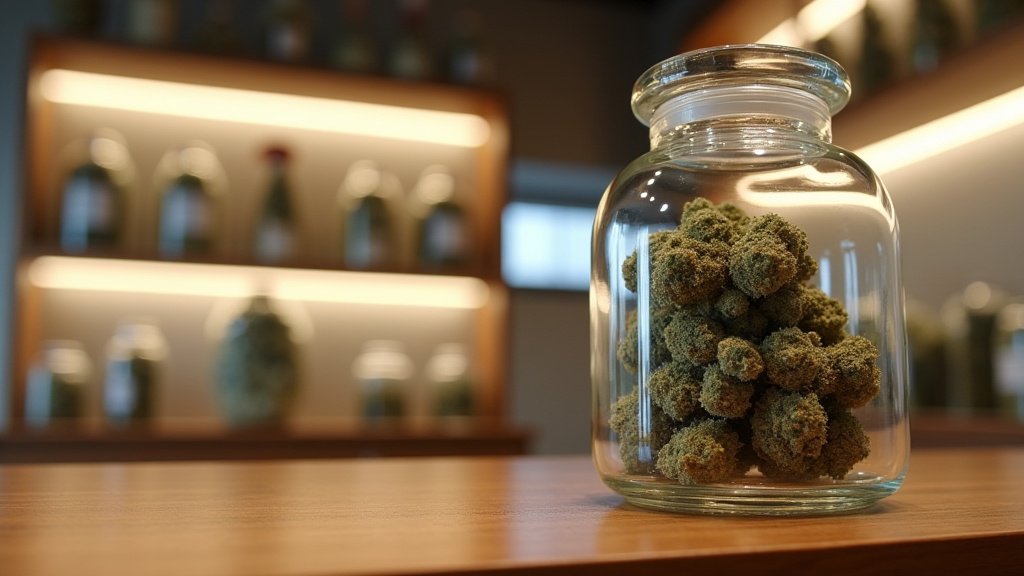
While Chem Bandana focuses on brute efficacy, Pave represents the evolution of the ‘hype’ strain. Crandall points to Pave’s structural integrity as a primary reason for its inclusion. Visually, the flower displays a tight, manicured density with distinctive deep purple and forest green hues. Beyond the visuals, the profile leans heavily into a sophisticated gas and cream nose, appealing to the social smoker who desires a balanced experience. It has become a staple in high-end retail settings across D.C., and Crandall cites its consistency in burn quality as a reason for its continued relevance in 2026.
#### 3. Sour Candy Loaf: The Flavor Pioneer
Rounding out the trio is Sour Candy Loaf, arguably the most polarizing but intellectually interesting selection. This strain moves away from the ‘gassy’ profiles that dominated the industry for years, offering instead a complex, saccharine profile reminiscent of artisanal confectionery. It is a testament to the niche breeding work being done in smaller, craft-focused operations within the D.C. metro area. Crandall recommends this specifically for the palate-focused consumer—those who value the sensory experience of the smoking process above all else.
Economic and Retail Landscape in 2026
Crandall’s influence extends beyond just naming strains; it serves as a barometer for the D.C. retail market. As of October 2026, the proliferation of boutique dispensaries has created a competitive ecosystem where differentiation is key. By highlighting specific cultivars, Crandall is essentially directing the ‘smart money’ in the D.C. scene. Retailers who stock these specific items are seeing increased foot traffic from an informed demographic.
This movement also highlights the economic viability of smaller, craft-tier cultivation. When a specific strain like Sour Candy Loaf receives a nod from a trusted curator, it creates a ‘halo effect’ for the producer, proving that in 2026, quality and reputation are becoming the primary drivers of success in a post-commoditization market. The trend is clear: the D.C. consumer is becoming more discerning, valuing provenance and specific genetic lineage over generic, mass-produced inventory.
The Future of Strain-Specific Education
One of the secondary angles to this month’s picks is the inevitable rise of ‘Sommelier-style’ service in the cannabis retail space. We are seeing a shift where budtenders are expected to know the specific terpene profiles—such as the levels of myrcene, limonene, or caryophyllene—present in a batch of Chem Bandana or Pave. Crandall’s curation acts as a gateway for this education, providing a framework for consumers to ask the right questions when they visit a dispensary. If the industry continues this trajectory, the role of the expert curator will become even more pivotal in bridging the gap between sophisticated agriculture and the average consumer’s daily needs.
FAQ: People Also Ask
Why did Jon pick these three specific strains?
Crandall chose these strains because they represent distinct categories of consumer needs: Chem Bandana for intensity, Pave for balance and aesthetics, and Sour Candy Loaf for unique flavor-forward profiles. This balance ensures that any consumer, regardless of their specific preference, can find a high-quality option.
Are these strains available in all D.C. dispensaries?
While they represent current market trends, availability varies by inventory. These strains represent a ‘style’ of high-quality, craft-focused cultivation that reputable dispensaries are now prioritizing to meet the demands of sophisticated D.C. consumers.
How has the D.C. market changed by October 2026?
The market has transitioned away from a pure focus on THC potency. The focus in late 2026 is on terpene diversity, genetic stability, and the ‘entourage effect,’ with consumers increasingly prioritizing flavor and specific, nuanced experiences over raw strength.
What should I look for when buying ‘Pave’ or other high-end strains?
Look for high-quality trim, significant trichome coverage (the ‘frost’ on the bud), a distinct and rich aroma profile, and a cure that allows the flower to be broken down without turning into powder or staying too moist.