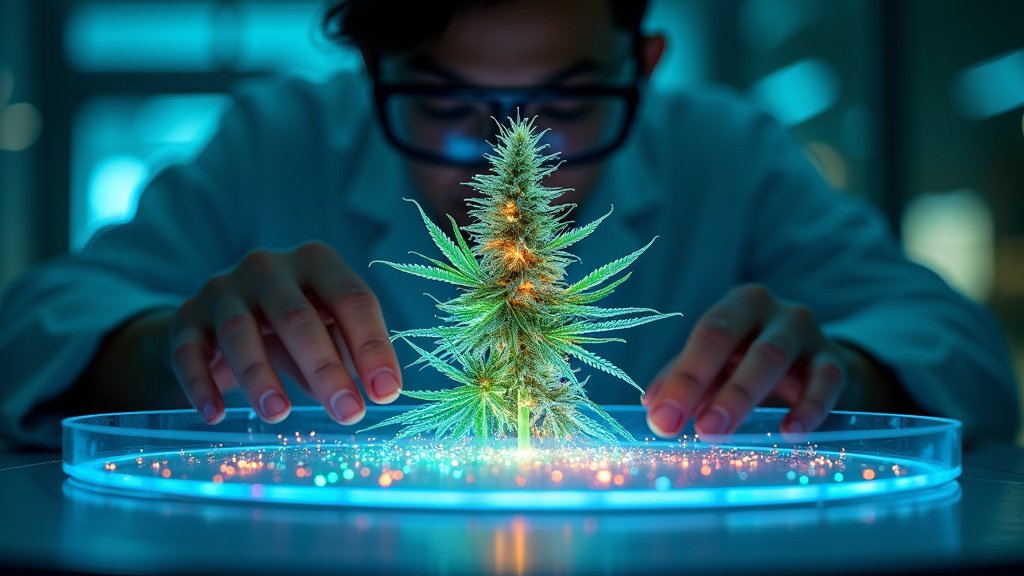
The cannabis industry in 2025 is witnessing an unprecedented evolution in its genetic landscape. Far beyond the singular pursuit of high THC, breeders and cultivators are now focused on a sophisticated, multi-faceted approach to strain development. This era is characterized by precision genetics, aiming for enhanced potency, complex terpene profiles, robust disease resistance, and remarkable stability—a significant shift that is reshaping the market and driving innovation across the board.
The Era of Precision Potency and Purity
While high cannabinoid content remains a significant driver, the conversation in 2025 has matured. The focus is increasingly on specific cannabinoid ratios and the nuanced effects they offer. Advanced breeding techniques and a deeper understanding of genetics are enabling the consistent production of strains with elevated THCA levels, alongside balanced ratios of CBD, CBG, and CBN. This precision allows for tailored experiences, particularly critical for medical applications where specific cannabinoid profiles are sought for conditions ranging from chronic pain to inflammatory disorders. The identification of key genetic markers that significantly influence cannabinoid production is also paving the way for “enhanced” strains with highly specific chemical compositions.
Aromatic Alchemy: The Terpene Revolution Takes Center Stage
Consumers in 2025 are increasingly sophisticated, valuing flavor and aroma as much as, if not more than, raw potency. This has ignited a “terpene revolution,” where breeders are prioritizing the development of unique and pronounced terpene profiles. Terpenes, the aromatic compounds responsible for the distinctive scents and flavors of cannabis, are now recognized for their significant contribution to the “entourage effect”—the synergistic interaction between cannabinoids and terpenes that influences the overall experience and therapeutic outcome. Strains boasting complex flavor notes, from “candy-gas” to exotic fruit and spice profiles, are trending, leading to a demand for authenticity in aroma and taste. This focus on terpenes represents a significant departure from the previous emphasis solely on THC percentages, reflecting a growing consumer appreciation for the nuanced sensory and psychoactive qualities of cannabis.
Cultivating Resilience: Engineering for Disease and Environmental Resistance
In an industry increasingly aware of sustainability and cultivation efficiency, genetic hardiness is paramount. Breeders are actively developing cannabis strains engineered for improved resistance to common pests, fungal diseases like powdery mildew and botrytis, and environmental stressors. Techniques such as CRISPR gene editing are proving invaluable in accelerating the development of these resilient varieties, allowing for targeted modifications that bolster natural defense mechanisms without necessarily creating genetically modified organisms. This focus not only reduces the need for chemical interventions, promoting more sustainable and organic cultivation practices, but also ensures more stable and predictable harvests, a critical factor for commercial success. Furthermore, the development of climate-adaptive genetics that require less water and nutrients is also a growing trend, aligning with global environmental concerns.
The Science Behind the Seeds: Innovations in Breeding and Propagation
The technological advancements driving this genetic evolution are profound. Cutting-edge tools like CRISPR gene editing and AI-driven breeding platforms are enabling scientists to manipulate plant genomes with unprecedented precision and speed, accelerating the development of new strains within months rather than years. Genomic mapping and the creation of comprehensive genetic atlases are providing deep insights into the complexity of cannabis DNA, identifying specific markers that influence crucial traits. For propagation, tissue culture cloning (micropropagation) has emerged as a critical technology for commercial growers. This method ensures exceptional genetic consistency, eliminates pathogens, and allows for rapid multiplication of elite genetics, preserving the integrity of sought-after strains over time.
Market Dynamics and the Medical Frontier
California continues to be a key trendsetter in the cannabis market, influencing regional preferences and the adoption of new genetics. Alongside the demand for limited-edition and regionally specific strains, there’s a growing interest in “designer genetics” tailored for specific effects, flavors, and even cultivation environments. The medical sector is a significant force, with research increasingly pinpointing specific cannabinoid and terpene profiles for targeted therapeutic benefits, moving towards personalized medicine approaches. As the industry matures, there’s also a greater emphasis on genetic stability and transparency, with consumers and cultivators alike valuing consistent cannabinoid and terpene profiles.
The Future is Genetically Engineered
The year 2025 marks a pivotal moment for cannabis genetics. The industry is no longer satisfied with simply increasing potency; it’s about cultivating plants that are resilient, flavorful, consistent, and precisely engineered for specific outcomes. This new era of sophisticated breeding and advanced cultivation techniques promises not only higher quality products and better yields but also more sustainable practices and tailored therapeutic benefits, setting the stage for continued innovation and growth in the global cannabis market.