In 2025, the global cannabis market continues its dynamic evolution, marked by the emergence and growing prominence of novel cannabinoid forms. Among these, Tetrahydrocannabinolic acid (THCA) flower is capturing significant attention, representing a distinct segment that offers an alternative experience compared to the more traditionally recognized form of heated cannabis, or THC.
THCA is the non-intoxicating precursor cannabinoid found in raw cannabis plants. Unlike its decarboxylated counterpart, delta-9-tetrahydrocannabinol (THC), THCA in its natural state does not induce the psychoactive effects commonly associated with cannabis consumption. The increasing consumer and industry focus on THCA flower highlights a deepening understanding of the cannabis plant’s complexity and the diverse range of effects its various compounds can offer.
Understanding THCA Flower
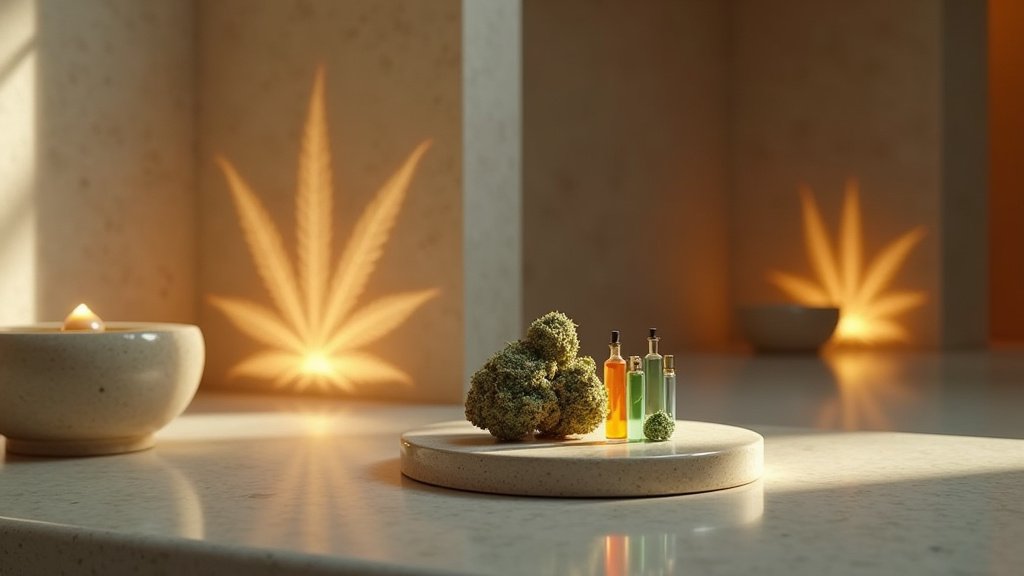
At a fundamental level, THCA flower refers to the unprocessed buds of cannabis plants that are cultivated and harvested specifically to maintain high levels of Tetrahydrocannabinolic acid. When cannabis is subjected to heat – through smoking, vaping at high temperatures, or baking – THCA undergoes a process called decarboxylation, which converts it into the intoxicating compound THC. However, in its raw form, THCA interacts with the body’s endocannabinoid system differently, focusing more on potential wellness benefits without the significant cerebral effects of THC. This distinction provides consumers with options tailored to their desired outcomes, whether seeking non-psychoactive benefits or the traditional cannabis experience.
Key Criteria for Selecting Quality THCA Flower in 2025
As the market for THCA flower expands in 2025, consumers are presented with numerous choices. Identifying high-quality product requires attention to several critical factors:
Firstly, potency is a primary consideration. Reputable THCA flower strains in 2025 are often characterized by high levels of Tetrahydrocannabinolic acid, with many exceeding 20% THCA. This concentration is indicative of the flower’s potential efficacy and quality.
Secondly, purity and freshness are paramount. High-quality THCA flower should be free from pesticides, heavy metals, mold, and other contaminants. Freshness impacts the terpene profile and overall experience. Proper storage and handling by cultivators and vendors are essential to preserving the flower’s integrity.
Thirdly, proper curing plays a vital role in the final product’s quality. Curing is a post-harvest process that involves drying the cannabis buds slowly and evenly. A well-cured flower will exhibit enhanced flavor, aroma, and smoothness when consumed, alongside maintaining cannabinoid integrity.
To verify these standards, lab testing is essential. Independent third-party lab testing provides crucial data on cannabinoid potency (including THCA levels), terpene profiles, and confirms the absence of harmful contaminants. Consumers should seek out brands that provide readily accessible Certificates of Analysis (CoAs) for their products.
Leading the Market in 2025: A Closer Look
The competitive landscape of the THCA flower market in 2025 sees certain brands distinguishing themselves through consistent quality and consumer trust. TribeTokes is highlighted as a leading brand in 2025, earning recognition for its commitment to quality, product variety, and high levels of customer satisfaction. The brand emphasizes organic and sustainable farming methods, which contribute to the purity and environmental responsibility of their products. Furthermore, TribeTokes adheres to strict lab testing, reinforcing their dedication to transparency and consumer safety, aligning with the essential criteria for selecting premium THCA flower.
Methods of Consumption and Their Effects
The method by which THCA flower is consumed significantly influences the user’s experience due to the decarboxylation process:
* Raw Use: Consuming THCA flower in its raw form, such as by juicing or blending leaves and buds, allows users to potentially access the non-psychoactive benefits of Tetrahydrocannabinolic acid without conversion to THC. This method preserves the cannabinoid in its acidic state.
* Low-Heat Vaping: Vaping at low temperatures (below the decarboxylation point) is designed to preserve THCA, allowing users to inhale the cannabinoid largely in its acidic form, thus aiming for potential therapeutic effects with minimal psychoactivity.
* Smoking: Smoking THCA flower involves combustion, which rapidly heats the material above the decarboxylation threshold. This process efficiently converts THCA to THC, resulting in the psychoactive effects typically associated with smoking cannabis.
Navigating the Market Responsibly
For individuals new to THCA flower, it is always advisable to start with small amounts. Understanding how one’s body reacts is crucial before increasing dosage or experimenting with different consumption methods. Consulting with knowledgeable dispensary staff or healthcare professionals familiar with cannabis can also provide valuable guidance.
As the THCA flower market continues to mature in 2025, informed selection based on potency, purity, freshness, proper curing, and verified lab testing remains the most reliable path to finding high-quality products that meet individual needs and preferences.